
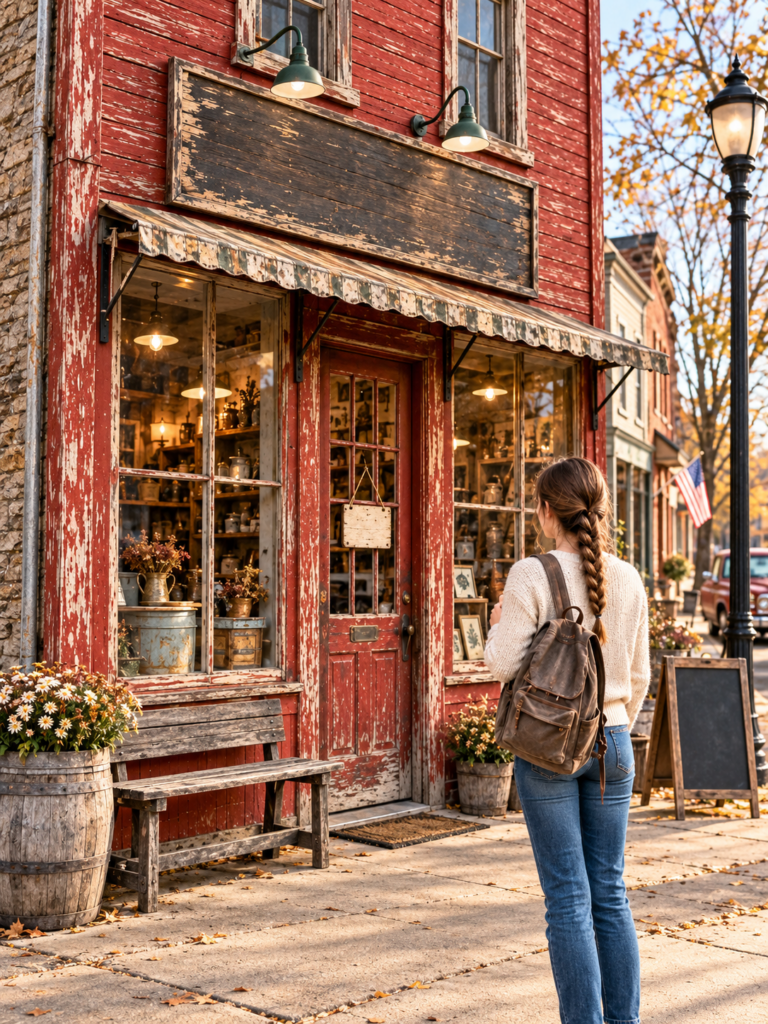
Part 1
The brass key spun across the polished conference table, struck the edge of a legal folder, and stopped in front of Greta Lindall.
Her older brother laughed.
It was not a nervous laugh or an embarrassed one. Magnus Lindall leaned back in his leather chair and laughed with the comfortable satisfaction of a man who had just won something he had expected to win all along.
“Dad always did know how to divide things fairly,” he said.
Beside him, his wife, Sloan, covered a smile with her manicured fingers.
Greta remained silent.
She was twenty-six years old, wearing a cream-colored wool sweater that had belonged to her grandmother and jeans she had patched herself. Her hands were rough from milking cows, repairing fences, and working cold mornings on the family farm outside Viroqua, Wisconsin.
Across from her sat two people whose combined clothing probably cost more than everything she owned.
Attorney Clement Austin adjusted his glasses and looked down at the will.
Walter Lindall had been dead for three weeks.
His estate, valued at approximately twelve million dollars, included four hundred acres of dairy farmland, an investment portfolio, a lake house, valuable timberland, farm equipment, vehicles, and nearly everything inside the old family home.
All of it went to Magnus.
Greta received a six-tenths-acre parcel at the intersection of County Road P and Coulee Bend Road, together with the abandoned red country store standing on it.
The building had been condemned by the county three winters earlier.
Its roof sagged. Its windows were clouded with dirt. Its porch boards had begun to rot, and nobody had operated the store in seven years.
Sloan was already studying property estimates on her phone.
“Ninety thousand dollars,” she announced. “Maybe. Assuming someone wants the land badly enough to pay for demolition.”
She turned her phone toward Magnus.
“Actually, once you subtract cleanup costs, she might owe somebody money.”
Magnus laughed again.
Greta looked at the key.
She remembered it hanging on a leather cord around her grandmother’s neck. The old woman had worn it beneath her apron every Saturday for as long as Greta could remember.
Now the leather was cracked, and green corrosion darkened the key’s teeth.
“Are you finished?” Greta asked quietly.
Magnus blinked.
“With what?”
“Laughing.”
For one brief moment, his expression changed.
Then he shrugged.
“Come on, Greta. Don’t be so sensitive. Dad left you something. You should be grateful.”
Mr. Austin cleared his throat.
“There is one provision I want to emphasize. Your father specifically left Greta the building and all of its contents.”
Magnus waved a hand.
“Fine. She can keep the rats, too.”
He signed his papers, stood, and buttoned his expensive charcoal coat.
At the doorway, he turned.
“One more thing. The realtor is coming to photograph the farmhouse. You need to have your belongings out by Sunday.”
Greta stared at him.
“Sunday?”
“Four days. That’s plenty of time. You don’t own much.”
Sloan was already heading down the hallway.
Magnus followed without another word.
The office door closed.
For a moment, only the ticking radiator could be heard.
Greta looked at the key again.
She had $912 in her checking account.
For three years she had stayed on the farm, working relief shifts at neighboring dairies while caring for her increasingly frail father.
Magnus lived in Minneapolis, managed investment accounts, and visited when the occasion was important enough to justify the drive.
Greta had been the one who found their father dead in the milk barn.
She had been the one who washed his work clothes, sorted his medication, and sat beside him during the long evenings when the old man had almost nothing to say.
And now she had four days to leave the only home she had ever known.
Mr. Austin came around the table.
He was seventy-three, bent slightly at the shoulders, and had known Walter since college.
“Greta,” he said, lowering his voice, “your father asked me to tell you something after your brother left.”
She looked up.
The old attorney glanced toward the door.
“He said that before you allow anyone inside that store, you must stand behind the counter yourself.”
Greta frowned.
“Why?”
“I don’t know.”
“Did he explain?”
“No. He was quite insistent that I deliver those exact words.”
Outside, a cold December wind moved through the bare trees along Main Street.
Greta drove home in her aging Ford Ranger.
When she entered the farmhouse, she discovered that Sloan had already begun dividing the furniture.
Blue painter’s tape appeared on nearly every object.
A K meant keep.
An S meant sell.
A D meant donate.
Her mother’s sewing cabinet carried a sticker marked S40.
The rocking chair where Walter had watched the evening news was marked D.
Even the old red recipe tin on the kitchen counter had been labeled for sale.
Greta stopped when she saw it.
Inside were forty-one handwritten recipe cards, each bearing the sloping pencil script of her grandmother, Astrid Lindall.
Cardamom bread.
Rhubarb cake.
Molasses cookies.
Greta remembered sitting on a stool beside the store’s old woodstove, eating those cookies while Astrid sorted seed packets behind the counter.
She carefully removed the blue tape and placed the tin inside her backpack.
Then she went upstairs to pack.
Twenty-six years of living, and everything important fit into four cardboard boxes.
Her clothes.
A few photographs.
Her mother’s reading glasses.
A collection of handwritten letters.
And one small envelope of dried Norwegian peas, labeled in her grandmother’s careful handwriting.
Greta held the envelope against her palm.
She had been eight when Astrid first taught her to sort seeds.
The old store had served the surrounding farm families for generations. Its shelves had carried flour, coffee, tools, candy, and household necessities, but its greatest treasure had always been the seed collection.
Great-grandfather Anders Lindall had established the store in 1902.
He collected seeds from immigrant families settling the Wisconsin hills, preserving varieties brought from Norway, Germany, and other distant places.
Every spring, farmers came down the narrow country roads to purchase packets of beans, peas, corn, squash, and cabbage.
Some families had depended on those seeds for more than a century.
Astrid taught Greta to measure carefully, keep varieties separated, and never confuse one family’s seed with another’s.
“Seeds remember where they belong,” her grandmother used to say. “And so do people, even when they pretend they’ve forgotten.”
For Greta, the store had been more than a business.
It had been the one place where she felt wanted.
Her mother, Karen, died of ovarian cancer when Greta was twelve.
After the funeral, Walter became a silent man.
He worked from before sunrise until after dark. He paid the bills, cooked supper, repaired machinery, and made certain Greta had clean clothes.
But he rarely embraced her.
Rarely praised her.
Rarely asked what she was thinking.
Magnus left for school and eventually built his life in Minnesota.
Greta stayed.
Every Saturday, Astrid collected her from the farmhouse and drove to the crossroads.
There, behind the maple counter, Greta learned the stories of fifty-two farming families.
She learned which old men wanted their coffee strong, which children counted their pennies before choosing candy, and which farmers needed seed on credit until harvest.
She learned that kindness could be ordinary, practical, and quiet.
Then Astrid died.
She had suffered a stroke in her sleep in the small apartment behind the store.
Greta was nineteen.
The morning after the funeral, Walter drove to the crossroads with a new iron padlock.
Greta followed him.
“What are you doing, Dad?”
Walter screwed a heavy metal hasp into the red wooden doorframe.
“The spring orders are coming,” Greta said. “Grandma already started them. I can finish.”
Her father said nothing.
“I know how to run this place.”
He attached the padlock.
“Please, Dad. Don’t do this.”
The lock snapped shut.
Walter stood motionless for a moment, his back to her.
Then he turned.
His eyes were wet.
His mouth opened as though he wanted to speak, but no words came.
He climbed into his truck and drove away.
For seven years, the store remained closed.
And for seven years, Greta wondered what she had done wrong.
Now Walter was gone, and somehow the store belonged to her.
That night, rather than remain in a farmhouse where every family memory had been given a price tag, Greta carried her boxes to the Ranger.
She parked behind the machinery shed, wrapped herself in her grandmother’s wool blanket, and tried to sleep across the narrow bench seat.
The temperature fell below freezing.
Wind rattled the truck doors.
At two in the morning, Greta was still awake.
She took the brass key from her pocket.
Her brother had received twelve million dollars.
She had received an abandoned store, a warning from a dead man, and four days before she became homeless.
Yet something about Mr. Austin’s message refused to leave her alone.
Stand behind the counter yourself.
At five fifteen, she started the engine.
The headlights swept across the empty barnyard.
Then Greta turned toward the crossroads.
She had no idea that somebody else was already waiting there.
Part 2
A charcoal-gray SUV stood in the gravel outside the old red store.
Two men were measuring the land.
One stretched a surveyor’s tape toward County Road P. The other studied a clipboard beneath the SUV’s headlights.
Magnus stepped out of the driver’s seat carrying a coffee cup.
“Greta. You’re up early.”
She shut her truck door.
“What are you doing on my property?”
“Relax. I’m helping you.”
He introduced Dale Kessinger, a local businessman who owned several convenience stores and a fuel distributorship.
Kessinger had wanted the crossroads parcel for years.
The county planned to improve the road leading toward a new cheese-processing plant, and increased commercial traffic would make the intersection valuable.
Magnus explained everything with the cheerful patience of a man describing a favor.
Then he produced a document.
A purchase agreement.
Already signed by Kessinger.
And by Magnus, listed as the transaction’s facilitator.
The only empty signature line belonged to Greta.
“Sixty thousand dollars,” Magnus said. “Cash. You can get a decent apartment in La Crosse and stop worrying about this wreck.”
Greta studied the paper.
Sixty thousand dollars would change her immediate circumstances.
She could rent a home.
Replace her truck’s failing transmission.
Buy groceries without calculating every item before reaching the checkout.
For several seconds, temptation overwhelmed everything else.
Then she remembered the old maple counter.
Her grandmother’s hands.
The smell of fresh coffee and molasses cookies on Saturday mornings.
And the warning her father had left with Mr. Austin.
“No,” Greta said.
Magnus stared.
“Excuse me?”
“I’m not selling.”
His smile disappeared.
“You don’t have the money to repair that building.”
“Probably not.”
“You don’t have the money to fight the county.”
“I know.”
“Then stop acting like a child.”
Greta folded the agreement and handed it back.
“It’s my store, Magnus.”
The words surprised her.
For years she had avoided arguments with her brother because resisting him only made him louder.
But this time, she did not retreat.
Magnus stepped closer.
“Call me when you get tired of being poor.”
He returned to the SUV.
Kessinger gathered his equipment without speaking.
When they drove away, Greta stood alone in the cold until she could no longer hear the engine.
Then she approached the red door.
The padlock had rusted badly.
For several frightening seconds, the key refused to turn.
She pressed harder, feeling the brass bend.
Finally, the mechanism released.
Greta removed the lock.
She pushed the door.
The hinges groaned.
Inside, gray morning light fell across dusty shelves, empty candy jars, and a long maple counter.
The smell reached her first.
Old wood.
Cold iron.
Dried herbs.
Licorice.
And beneath everything, the faint sweetness of stored seed.
Greta covered her mouth.
Seven years vanished.
She was eight again, hurrying through the front door while her grandmother lifted a steaming kettle from the woodstove.
She was eleven, crying over a batch of mixed corn seed while Astrid patiently showed her how to separate the varieties.
She was sixteen, closing the ledger while an old farmer waited patiently for his change.
Greta walked forward until her hand touched the counter.
Her palm settled into the worn grain.
For a moment, she simply stood there.
Then she stepped behind it.
There, beneath the old cash register, lay Astrid’s green clothbound ledger.
Greta lifted it carefully.
The final entry was dated October 13, 2018.
Thirty-one customers.
Till balanced.
Mail sorted.
Spring seed orders begun.
And beneath those notes, written in a slightly heavier pencil stroke:
Greta will finish this.
Her knees gave way.
She sat down on the cold wooden floor and held the ledger against her chest.
Her grandmother had died expecting her to return.
Walter had locked the doors before she could.
And now, seven years later, Greta was finally standing where Astrid had believed she belonged.
She cried until her chest hurt.
A knock interrupted her.
An elderly man stood in the doorway wearing a red plaid coat and a faded seed-company cap.
Emil Brekke.
He was eighty-two, a retired rural mail carrier whose family had bought seed at that counter for generations.
He held a steel thermos and a paper bag.
“Lord have mercy,” he whispered. “I saw your truck.”
His eyes moved over the store.
Then he saw the ledger.
And Greta’s tear-streaked face.
He stepped inside, placed his thermos in the familiar worn hollow at the left end of the counter, and poured her coffee.
“Your grandmother made me promise I’d look after you,” he said.
Greta wiped her cheeks.
“You never told me that.”
“I tried. Came to the farm twice after she passed. Walter said you were doing fine.”
He looked ashamed.
“I should’ve tried harder.”
Greta shook her head.
There had been too many years of silence in that family for one old mailman to repair.
Emil took a sip of coffee.
Then his expression darkened.
“There’s something else you ought to know.”
He explained that earlier in the week, while visiting the county offices, he had overheard Magnus speaking to the building inspector.
Her brother had been asking how quickly the old store could be demolished.
Greta stared at him.
“That was before the will was read.”
Emil nodded.
“Sure was.”
Before she could ask another question, a white county pickup pulled onto the gravel.
A heavyset man stepped out carrying a clipboard, a staple gun, and a yellow notice.
His name was Lyall Ostrander.
He had worked for the county building department for twenty-six years.
“Miss Lindall?” he asked.
Greta nodded.
“I’m here regarding the emergency condemnation of this structure.”
He explained that the building had been determined unsafe and that demolition would proceed unless the order was successfully challenged.
The owner had seven calendar days to remove personal property.
Afterward, a contractor could demolish the building and bill the property owner.
Greta felt the cold reach through her sweater.
“Who requested the inspection?”
Ostrander looked down.
“An interested adjoining party.”
“Who?”
“Your brother.”
He stapled the notice beside the front door.
Six sharp metallic cracks rang through the store.
Greta flinched at every one.
“Who inspected the inside?” she asked.
“I did.”
“When?”
“Last Tuesday.”
“Did you walk through the building?”
Ostrander hesitated.
“The report speaks for itself.”
He handed her the paperwork and walked back to his truck.
Greta read the description.
Damaged floor joists.
Interior deterioration.
Structural concerns.
But something was wrong.
She looked at the floor.
Gray dust covered the old pine boards.
Her footprints ran from the door to the counter.
They were the only footprints visible.
There were no boot marks in the aisles.
No disturbed dust near the back wall.
No signs that anybody had moved through the building with inspection equipment.
And the padlock had been almost impossible to open.
Greta crouched and brushed one fingertip through the dust.
Seven years of undisturbed dirt.
The inspector had lied.
She called Magnus immediately.
He answered on the second ring.
“I know what you did,” she said.
“Greta, I’m driving.”
“You arranged a demolition inspection before Dad’s will was read.”
Silence.
Then Magnus sighed.
“You’re making this much harder than necessary.”
“You’re trying to destroy Grandma’s store.”
“I’m trying to solve a problem.”
“This isn’t your problem to solve.”
His voice turned cold.
“In seven days, the county will knock that building down. Then you’ll have demolition expenses and a worthless patch of dirt. And when you’re desperate enough, I’ll buy it for whatever I feel like paying.”
Greta tightened her grip on the phone.
“You knew I’d inherit it.”
He did not answer.
“You knew before I did.”
“Goodbye, Greta.”
The call ended.
For several seconds, she stood looking at the screen.
Then she lifted her eyes toward the counter.
Her father had not simply left her an old building.
He had left her instructions to stand in one particular place.
And Magnus was desperate to have that place destroyed.
Greta walked behind the counter again.
She rested her hands on the maple and tried to remember everything her grandmother had ever taught her.
A memory came unexpectedly.
She was ten years old.
Rain beat against the roof.
Astrid knelt behind the register and pressed a hand against one dark floorboard.
Then she looked over her shoulder and smiled.
“There are things beneath a store,” she had said, “that don’t belong on the shelves.”
At the time, Greta thought she was joking.
Now she knelt in the same spot.
One plank was darker than the others.
Near its corner, almost hidden beneath the counter, was a tiny iron ring.
Greta slipped a finger through it.
She pulled.
The board did not move.
She found a pry bar in the old tool drawer and worked its flat end into the seam.
The wood groaned.
Then the plank rose.
A cold breath of air escaped from a stone-lined cavity beneath the floor.
Greta bent forward.
Something metallic sat in the darkness.
A tin box.
She reached down, grasped it with both hands, and pulled.
Stamped into the lid were two markings.
A. L.
1902.
Her great-grandfather’s initials.
The year he built the store.
Greta sat back on her heels, staring at the box.
Outside, the wind rattled the yellow demolition notice.
Seven days remained before the county could destroy everything around her.
And for the first time, she understood why her father had wanted her behind the counter.
Part 3
Greta opened the tin box with trembling hands.
Inside lay a bundle wrapped in stiff brown oilcloth.
When she unfolded it, small golden circles caught the winter light.
Coins.
Dozens of them.
She picked one up.
It was heavier than she expected, with an eagle stamped on one side and the date 1899 beneath its wings.
Greta knew almost nothing about rare coins, but she recognized gold when she saw it.
She had spent the previous night sleeping in a freezing truck with less than a thousand dollars to her name.
Now she was kneeling beside a fortune.
Yet her grandmother’s voice came to her before excitement could take hold.
Count before you do anything else.
Greta arranged the coins in careful rows.
One hundred ninety.
Inside the lid, she found a yellowed inventory card.
The original collection had contained 242 coins.
Fifty-two were missing.
She counted again.
The result was the same.
Beneath the gold lay a small leather notebook, an old newspaper clipping, and a thick ledger bound in green cloth.
The notebook belonged to Anders Lindall.
Its pages recorded seed varieties, planting conditions, and the names of farms throughout Vernon County.
The newspaper was dated March 22, 1934.
The headline described how the crossroads store had saved fifty-two farms during the worst years of the Great Depression.
Greta sat on the floor and read.
After a devastating drought, families throughout the coulees had run out of seed and money.
Foreclosure notices were appearing on farm doors.
Anders Lindall had opened his private seed collection and driven a wagon from farm to farm, giving every threatened family enough seed for spring planting.
He had refused payment.
The newspaper printed the names of all fifty-two families whose farms had been saved.
Brekke.
Hogan.
Mickelson.
Ostrander.
Names Greta recognized from her grandmother’s ledger.
At the bottom of the tin was a sealed letter addressed to her.
Astrid’s handwriting.
Greta broke the brown wax seal.
My dearest Greta,
If you are reading this, your father has kept his promise.
Do not blame him for locking the store. I asked him to do it. After losing your mother, he became a man who could only show love by keeping promises. He never learned how to explain himself.
Your brother sees value only in what can be sold. You have always understood that some things are worth keeping.
There is another door beneath this box. What lies behind it is the reason this store must never be destroyed.
Your father knows the rest.
And Greta, I was always proud of you.
Finish the Brekke order, little one.
Love, Grandma.
Greta read the letter three times.
Then she pressed it against her chest and wept.
Nobody had spoken those words to her in so many years.
She was still holding the paper when heavy footsteps sounded outside.
A car door slammed.
Through the front window, she saw Magnus and Sloan approaching.
Greta scrambled to gather the coins.
She had barely returned the box to the cavity when Sloan opened the front door.
“Well,” Sloan said, looking around. “What a charming disaster.”
Magnus followed.
“We wanted to inspect the counter. Reclaimed maple can be valuable.”
His sentence stopped when he noticed Greta kneeling beside the open floorboard.
“What have you got there?”
“Something that belongs to me.”
Magnus pushed past the counter.
He saw the tin box.
He saw the dark opening in the floor.
Then he noticed one small coin that had rolled beneath a shelf.
He picked it up.
For the first time that morning, his face lost its easy expression.
He examined the coin beneath the light.
“Where did you get this?”
“Under my floor.”
“That’s gold.”
“I can see that.”
He looked at the box again.
“How much is in there?”
Greta stood.
“It’s none of your business.”
Magnus tightened his fist around the coin.
“If Dad owned that gold, it belongs to the estate.”
“Dad left me the store and everything inside it.”
“That’s not how inheritance law works.”
“You heard Mr. Austin read the will. You laughed at it.”
Sloan raised her phone and photographed the opening.
Greta moved in front of her.
“Get out.”
Sloan smiled.
“Your brother has lawyers, Greta. You have a backpack.”
Magnus set the coin on the counter.
“Don’t remove anything from this building until we settle ownership.”
He turned toward the door.
“You’ll hear from my attorneys.”
After they left, Greta bolted the door and stood in silence.
Then she looked at the gold.
It could pay for repairs, housing, and legal representation.
But Magnus now knew it existed.
She wrapped the coins in oilcloth, placed them inside her backpack, and hid the ledgers beneath her sweaters.
Then she returned the floorboard to its place.
That evening, she entered the caretaker’s apartment behind the store.
It was a single small room with a narrow bed, a kitchen table, and an iron woodstove.
Astrid’s apron still hung behind the door.
Her knitting basket stood beside the bed.
Greta touched the apron and remembered finding her grandmother there seven years earlier.
For a moment she nearly turned around.
Instead, she lit the stove.
She made tea.
And she opened the thick green ledger.
Page after page documented decades of business.
Seed orders.
Farm names.
Sales.
Weather notes.
Then Greta noticed an unusual entry appearing every December.
One from under. W.
It appeared first in 1972.
Then 1973.
And every year afterward through 2017.
Forty-six entries.
Forty-six coins removed from beneath the floor.
W.
Walter.
Her father.
The man who had barely spoken to her had been coming to this store every winter and taking one gold coin.
But for what?
The following morning, Emil arrived carrying a camera.
He photographed the undisturbed dust, the old padlock, the floorboards, and the marks from Greta’s bare feet.
“Somebody claimed they inspected this place,” he said. “These pictures ought to make them explain how.”
Greta showed him the old newspaper.
Emil recognized his grandfather’s name immediately.
He sat down heavily.
“My grandfather nearly lost the farm in ’34,” he whispered. “He told me an old man brought seed up through the snow. I never knew there was a newspaper.”
He stared at the clipping.
“That was your great-grandfather.”
Greta nodded.
Emil wiped his eyes.
Then a courier arrived with an envelope from a Minneapolis law firm.
Magnus had filed a claim in court.
The enclosed document purported to be an amendment to Walter’s will.
It stated that Greta inherited the land and building, but all movable contents belonged to Magnus.
The signature looked like Walter’s.
A notary stamp appeared beneath it.
The hearing was scheduled for Friday.
Greta called Mr. Austin.
“I never prepared that amendment,” the attorney said sharply. “And Walter never mentioned it to me.”
“But the signature looks real.”
“Then we prove he didn’t sign it.”
“How?”
“Your father kept his important papers in that rolltop desk at the farmhouse.”
Greta remembered the desk.
Sloan had marked it to keep.
That afternoon, Greta drove back to the farm.
The realtor was there again, directing two movers.
Greta walked past them into the study.
The rolltop desk stood open.
Every drawer was empty.
Every pigeonhole had been cleared.
Magnus had taken the papers.
Greta stood in the deserted room looking at the bare wood.
Then she noticed something she had not seen since childhood.
A small pencil mark scratched into the bottom edge of the desk.
Three words.
Look beneath everything.
Greta knelt and ran her fingers along the underside of the desktop.
A thin panel shifted.
Behind it was an old envelope.
On the front, in Walter’s large block letters, was her name.
Inside were a folded letter, a list of telephone numbers, and a photocopy of a hospital discharge summary.
Greta opened the letter.
You need to go back to the store. Below the counter is another door. I should have shown you years ago. I was afraid Magnus would find out.
If something happens to me, Clement Austin will help. The documents you need are in the store. Dr. Ruth Halvorson can explain what they mean.
You have always been better at keeping things alive than I was.
I’m sorry I never told you.
Dad.
Greta sat on the study floor until the daylight faded.
She had spent fourteen years believing her father could not love her.
Now, in a few lines of awkward handwriting, he had given her something she had waited half her life to hear.
But Magnus had already taken the documents from the desk.
The county wanted the store demolished.
And an apparent amendment to the will threatened to give her brother everything inside it.
Greta slipped the letter into her sweater.
Then she returned to the crossroads.
She would open the second door.
And whatever waited beneath it, she would face it.
Part 4
The second opening was hidden beneath the stone cavity where Greta had found the tin box.
A wooden panel sat inside a heavy frame, sealed around its edges with dark brown wax.
Eight small acorn impressions marked the seals.
Greta brought a lantern from Astrid’s kitchen.
Emil stood beside her.
“Are you sure about this?” he asked.
“No,” she answered. “But Grandma wanted me to find it.”
One by one, she broke the seals.
When she lifted the panel, cold air rose from the darkness.
Beneath the store was a narrow staircase built from fitted stone.
Greta counted sixteen steps as she descended.
Her lantern revealed a low vaulted cellar.
Oak chests stood in orderly rows along the walls.
The air was cool and dry, with a faint earthy smell.
Every chest carried a brass label.
Names.
Dates.
Seed varieties.
Some were more than a century old.
Near the far wall stood a workbench with glass jars, paper envelopes, and carefully labeled trays.
Greta recognized her grandmother’s handwriting everywhere.
Astrid had continued working here long after the public store closed.
Even during the years when Walter kept the front door locked, the cellar had not been abandoned.
Greta moved the lantern across the shelves.
Four hundred twelve chests.
Fifty-two large ledgers.
And a fourteen-sheet map showing the locations of old farms throughout the surrounding counties.
Her grandmother had maintained a hidden living record of generations of American farming.
On the workbench sat a wooden box containing more recent seed packets.
The labels were dated 2017.
Greta understood why the later dates mattered.
Seeds stored too long could lose their ability to grow.
Astrid had preserved these varieties by planting small quantities, harvesting fresh seed, and returning it to the collection.
Year after year.
Alone.
Greta rested a hand against an oak chest.
She imagined her grandmother descending those steps at seventy-nine, carrying a lantern, bending over seed trays with aching knees and swollen fingers.
Nobody had applauded her.
Nobody had known how much work she was doing.
Yet every spring, the seed lines remained alive.
Emil stood beside her, holding his cap.
“Your grandmother,” he whispered, “was something else.”
Greta nodded.
“And I never knew.”
At the center of the workbench lay another letter.
Walter’s handwriting.
It was addressed to whoever inherited the store.
Greta opened it.
Her father’s words explained the gold.
In 1934, Anders had used six coins to purchase additional seed and supplies during the Depression.
He had given the seed away to the fifty-two endangered farms.
Forty-six other coins had been removed over the following decades.
Walter had converted them into money for college scholarships.
One student each year.
Always a child from one of the fifty-two families.
Always anonymous.
Forty-six young people had attended college with help from the Lindall family without knowing who paid their tuition.
Walter had kept the scholarship records private because Astrid believed charity should never create a debt of gratitude.
The letter ended with a confession.
I meant to help one child from every family. There are six remaining. I thought I had more winters.
I knew Magnus was having trouble with money. I left him the farm and investments so he could repair the harm he had done. I left you the store because it was the only place where I ever saw you truly happy.
I hope someday you understand that I did not love one child more than the other.
Greta read the final sentence several times.
For years, she had thought her father valued Magnus above her.
Now she understood that Walter had known his son was in financial trouble and had tried to give each child what he believed they needed.
Greta wiped her eyes.
Emil quietly took the lantern while she folded the letter.
“We need to protect this place,” he said.
She nodded.
But when they climbed back upstairs, the danger waiting outside had grown worse.
The county inspector’s pickup was parked beside a sheriff’s vehicle.
Lyall Ostrander stood near the front steps, his hands trembling.
He had been confronted with Emil’s photographs and questioned about the inspection report.
Now he was ready to tell the truth.
Greta walked toward him.
Ostrander could barely meet her eyes.
“I never went inside,” he admitted.
The sheriff stood a few feet away, listening.
“I drove past. I looked at the roof. Magnus told me the building was dangerous and that nobody would object.”
“Why did you sign the report?”
Ostrander swallowed.
“He offered money.”
“How much?”
“Two thousand up front. Another two when demolition was completed.”
Greta stared.
Four thousand dollars.
That was the price placed on destroying a century of family history.
“Why would you do that?” she asked.
The inspector’s face crumpled.
“My boy’s in college. Tuition bills keep coming. We were behind on the house payments. I told myself the store was already condemned.”
He looked at the yellow notice.
“I knew better.”
Greta felt anger rise inside her.
But beneath it was something else.
She knew what it meant to be frightened of losing a home.
She knew how desperation could turn into shame.
“That doesn’t make what you did right,” she said.
“I know.”
The sheriff asked Ostrander to accompany her to make a sworn statement.
He agreed.
Before leaving, the man turned back.
“I’m sorry, Miss Lindall.”
Greta said nothing.
Forgiveness was not something she could offer simply because a man had finally admitted wrongdoing.
But she did not insult him.
She had seen enough cruelty to know it accomplished very little.
That afternoon, Mr. Austin came to the store.
He examined Walter’s letter, the hospital document, and the old ledgers.
Then he made several telephone calls.
Greta heard him speaking sharply with a hospital records office, a court clerk, and someone in Minnesota.
When he finished, his expression was grave.
“Your brother has made a serious mistake.”
“What kind?”
“The amendment is dated March ninth.”
Greta nodded.
“Your father’s discharge record says he was hospitalized that week.”
Austin adjusted his glasses.
“He wasn’t merely hospitalized. On March ninth, Walter underwent emergency heart surgery in La Crosse.”
Greta stared at him.
“Could he have signed something that afternoon?”
“He was unconscious.”
A small silence followed.
Then Austin placed the photocopy on the counter.
“We’ll obtain the certified surgical records. Your brother’s lawyers may have a difficult time explaining this.”
Greta should have felt relief.
Instead, she felt exhausted.
Every time one threat seemed manageable, another appeared.
The demolition deadline was approaching.
Her brother’s court petition remained active.
And now she knew he had probably forged their father’s signature.
Emil brought supper from his daughter-in-law’s kitchen.
They ate vegetable soup and warm bread at Astrid’s little table while snow tapped against the window.
Greta had not eaten a proper meal in almost two days.
Afterward, she called the number from Walter’s letter.
Dr. Ruth Halvorson answered from Madison.
Greta introduced herself and described the underground seed collection.
The scientist became completely silent.
Then she asked one question.
“How many chests?”
“Four hundred twelve.”
Greta heard a chair scrape.
“And the records?”
“Fifty-two ledgers. A large map. Hundreds of seed labels.”
Ruth’s voice changed.
“My grandfather told me stories about a country store in Vernon County. He visited in 1934 and documented how Anders Lindall saved those farms.”
“You knew about the store?”
“I’ve been searching for the collection for decades.”
Greta hesitated.
“Why?”
“Because several of those old varieties may no longer exist anywhere else.”
Ruth promised to come with two university researchers.
She also revealed that she had received an anonymous agricultural scholarship in 1983.
Her family had been one of the fifty-two.
Greta told her about Walter.
For several moments, Ruth could not speak.
Then she said quietly, “Your father changed my life.”
When the call ended, Greta sat with her hands around a mug of coffee.
For the first time, her father’s silence looked different.
He had spent his life doing things he could not explain aloud.
That did not erase her childhood loneliness.
But it gave her a reason to stop believing his silence meant she had been unwanted.
Friday afternoon arrived under a gray sky.
Greta entered the Vernon County courthouse carrying her backpack.
Mr. Austin walked beside her.
The hearing room was crowded with farm families.
Emil had spent the morning making telephone calls, and people had driven from miles away to support the granddaughter of the woman who had once supplied their seed.
Magnus sat at the opposite table with two attorneys.
Sloan wore a dark blue suit.
Neither looked at Greta.
When the judge entered, Magnus’s senior attorney stood and presented the alleged amendment to Walter’s will.
He argued that all valuables discovered inside the store belonged to Magnus.
Then he called Sloan as a witness.
She walked to the witness chair confidently.
Under oath, she testified that Walter had traveled to Minneapolis on March ninth and signed the amendment in her presence.
She said Walter had embraced Magnus afterward.
Mr. Austin rose slowly.
“Mrs. Lindall,” he asked, “are you certain about that date?”
“Absolutely.”
“And the time?”
“Early afternoon.”
Austin opened his folder.
He removed a certified hospital record.
Then he looked toward the judge.
“Your Honor, I believe the court should examine this before the witness answers another question.”
Greta sat very still.
Across the room, Magnus lowered his eyes.
And for the first time since their father’s funeral, he looked genuinely afraid.
Part 5
Judge Liesel Mohn read the hospital record in complete silence.
Then she raised her eyes toward Sloan.
“Mrs. Lindall, you have testified that Walter Lindall signed this document in Minneapolis at approximately one o’clock on March ninth.”
“Yes, Your Honor.”
The judge placed the paper on her desk.
“At that exact time, Mr. Lindall was undergoing open-heart surgery at St. Olaf Memorial Hospital in La Crosse. He was under general anesthesia. A heart-lung machine was supporting him.”
Sloan’s face turned pale.
The judge continued.
“He remained sedated in intensive care until the following morning.”
Nobody moved.
Mr. Austin handed the court two additional documents.
The first showed that the Minnesota notary’s commission had expired before the supposed signing.
The second demonstrated that the land description in the amendment contained an incorrect parcel number.
The judge looked at Sloan again.
“Are you still prepared to tell this court that you personally witnessed Mr. Lindall sign that document?”
Sloan turned toward Magnus.
He stared at his hands.
“Magnus told me everything was legitimate,” she whispered.
“Mrs. Lindall, I asked what you witnessed.”
Sloan began to cry.
Mr. Austin sat down.
Within minutes, the court denied Magnus’s request to control the store’s contents and referred the suspicious documents and testimony to the appropriate authorities for investigation.
Greta had won that hearing.
But the county demolition order remained unresolved.
Outside the courtroom, Sloan confronted Magnus.
“You said nobody would ever check!” she shouted.
People stopped walking.
“You said your father didn’t keep records!”
Magnus tried to quiet her.
She pulled away.
“You lost two million three hundred thousand dollars of other people’s money, and now you’ve dragged me into this!”
The courthouse hallway fell silent.
Greta watched her brother’s face.
The expensive suit, the silver watch, the confident smile—none of it could hide his fear anymore.
He had lost money entrusted to him by clients.
And rather than admit what he had done, he had tried to take the one thing their father had left Greta.
Magnus looked at his sister.
For a moment, she saw the frightened boy she remembered from childhood.
Then he turned away.
Greta did not follow him.
There was still too much work to do.
When she returned to the store, Dr. Ruth Halvorson was waiting with two university researchers.
Greta led them beneath the counter.
They descended the sixteen stone steps.
Ruth stopped when she saw the first row of oak chests.
She covered her mouth.
For almost a minute, she could not speak.
Then she began working.
The researchers photographed labels, examined storage conditions, and compared varieties against seed collections maintained by universities and agricultural institutions.
Greta showed them the 1934 newspaper and her grandmother’s records.
Ruth found varieties that had disappeared from modern commercial seed catalogs decades earlier.
Some had been preserved by immigrant families before the First World War.
Others were adapted to the cold hills and short growing seasons of southwestern Wisconsin.
But Ruth explained that there was one critical question.
Were the seeds still alive?
Under controlled conditions, the team began preliminary germination tests using samples from several properly dated collections.
The newest seeds responded first.
Tiny white roots emerged from damp paper.
Some older samples showed weak germination.
Others showed none.
The researchers cautioned that further tests would be necessary, particularly for the oldest varieties.
But the carefully regenerated seed lines from Astrid’s final years were viable.
And the accompanying records were extraordinary.
Ruth stood beside the workbench and looked at Greta.
“Your grandmother didn’t just preserve seeds. She preserved the histories of the families who planted them.”
Greta glanced around the cellar.
“What is all this worth?”
Ruth took a slow breath.
“I don’t want to give you a careless number. But there are national institutions and preservation funds that have spent years searching for collections like this.”
Over the following days, experts reviewed the ledgers, provenance records, preliminary germination results, and historical significance.
An emergency preservation agreement was negotiated.
A consortium working with national historical and agricultural conservation institutions offered four million dollars to acquire and permanently preserve the seed archive and its records.
Greta read the proposed agreement at Astrid’s kitchen table.
Four million dollars.
She thought of the $912 she had counted after the will reading.
She thought of the cold truck seat.
The demolished future Magnus had planned for her.
But there was one condition Greta insisted upon before signing.
The store had to remain hers.
A working collection of the seed lines would stay in the cellar, subject to proper conservation and cultivation procedures.
Descendants of the original farming families would retain access to their agricultural heritage.
And every spring, the store would continue offering seed to local growers.
Ruth listened.
Then she smiled.
“I think your grandmother would have approved.”
The agreement was signed.
There was still one final obstacle.
The county’s emergency demolition order had not been formally withdrawn.
Mr. Austin filed Greta’s challenge with Emil’s photographs and Ostrander’s sworn confession.
The county initially disputed a procedural defect in the filing.
For several hours, the possibility of demolition remained.
Greta stood outside the store that morning, looking toward the road.
A truck appeared beyond the hill.
Her stomach tightened.
Then another pickup pulled into the gravel.
Arnie Hogan, the county board chairman, climbed out carrying a folder.
His family had been among the fifty-two saved in 1934.
“Greta,” he said, “I’ve got something you need to see.”
The county had suspended the demolition order after reviewing evidence that its original inspection was fraudulent.
A proper structural inspection would be required before further action.
Arnie looked at the yellow notice still stapled beside the door.
Then he tore it down.
“My great-grandfather planted seed from this store,” he told her. “We’re not letting somebody bulldoze it on the strength of a lie.”
Greta covered her face.
For the first time in days, she allowed herself to believe the building might survive.
On the seventh day after the will reading, the financial arrangements supporting the four-million-dollar acquisition were confirmed.
The woman who had slept in her truck now had the means to protect the place she loved.
But she did not celebrate with champagne.
She went behind the maple counter.
Placed both hands on the worn wood.
And cried.
That afternoon, Magnus returned.
He stood outside the split-rail fence, looking toward the red building.
Greta walked out to meet him.
“Four million,” he said hoarsely.
She said nothing.
“That would have covered everything. All the money I lost.”
His eyes were bloodshot.
“I could have made everyone whole.”
Greta studied her brother.
“Those people trusted you, Magnus.”
He lowered his head.
“And you were willing to destroy this store rather than tell them the truth.”
“I know.”
“Great-grandpa Anders had almost nothing in 1934. He used what he had to save fifty-two families. You were handed millions, and you still thought you needed to take something from me.”
Magnus wiped a hand across his face.
Greta reached into her pocket.
She held out the old brass key.
“This is what Dad gave me. This was the part you laughed at.”
Magnus stared at it.
Then he took it.
His fingers closed around the cracked leather cord.
For once, he had nothing to say.
Greta returned to the store.
She could not repair her brother’s mistakes.
He would have to do that himself.
But she could repair the roof.
And she could finish what her grandmother had started.
Over the following weeks, Greta hired a qualified contractor to inspect the entire structure.
The stone foundation was sound.
The old heart-pine framing remained strong.
The chimney needed work, the roof required repairs, and several damaged window frames had to be replaced.
Those were problems she understood.
They could be measured.
They could be fixed.
A local roofer replaced broken shingles.
An electrician updated the wiring.
Greta scrubbed the old shelves and polished the brass mailboxes.
She repaired the woodstove, washed the windows, and cleaned the counter without sanding away the smooth hollows generations of customers had made.
By the last Saturday in January, the store was ready.
Greta unlocked the red door at seven o’clock.
She lit the stove.
Filled the candy jars.
Counted the cash drawer.
And arranged a plate of molasses cookies beside the register.
Then she waited.
At seven thirty, nobody came.
At eight, the road remained empty.
By eight thirty, Greta was beginning to feel foolish.
People bought their groceries from supermarkets now.
They ordered seeds online.
Perhaps the store belonged to another century.
At eight forty, a battered Chevrolet pickup turned into the gravel lot.
Emil Brekke climbed out.
He entered carrying his familiar thermos.
Walked to the left end of the counter.
And placed a dollar bill on the maple.
“Quarter pound of licorice, please, ma’am.”
Greta laughed through her tears.
She weighed the candy.
Wrapped it in brown paper.
And gave him his change.
At eight fifty-five, another truck arrived.
Then a minivan.
Then two more pickups.
By ten o’clock, customers were standing shoulder to shoulder.
Some bought coffee.
Some bought flour.
Some brought grandchildren to choose candy.
Others simply placed their hands on the counter and remembered someone who had once stood there.
At closing time, Greta counted the day’s customers.
Thirty-one.
She opened Astrid’s final ledger.
The last Saturday her grandmother operated the store had also recorded thirty-one customers.
Greta wrote the new date beneath the old entry.
Then she sat quietly for a long time.
Spring brought the seed orders.
Greta sorted each packet with the same patience Astrid had taught her.
One chest.
One scoop.
One variety at a time.
The first order she completed belonged to Emil Brekke.
Two cups of Norwegian tongue peas from the family line preserved since 1911.
When she handed him the packet, he recognized the handwriting on the old order card.
“Astrid started this for me,” he whispered.
Greta nodded.
“She wanted me to finish it.”
Emil held the packet against his chest.
He planted the peas behind his farmhouse in April.
When the first plants appeared, he called Greta.
And when he tasted the first harvest, he called again.
“They taste just like my mother’s,” he told her, crying openly.
That summer, Ruth and her researchers completed a more detailed study of the old farm records.
They found that the original fifty-two farms from the 1934 rescue had remained in agricultural use through generations of changing ownership and family succession.
Greta decided it was time to finish another piece of unfinished business.
Walter had funded forty-six scholarships.
Six families had not yet received one.
Using part of the money from the archive agreement, Greta established six additional four-year agricultural scholarships.
The recipients would be selected from descendants of those remaining families.
The donor would be listed simply as a friend of the farm.
When Mr. Austin sent the final list of recipients, Greta noticed one name.
Tyler Ostrander.
The son of Lyall Ostrander.
The man who had accepted money to falsify the demolition inspection.
Greta sat at her grandmother’s kitchen table with the letter for nearly an hour.
She remembered the yellow notice.
The six staples.
The terror of losing everything.
She could remove Tyler’s name.
Nobody would question her decision.
Then she remembered Anders driving his wagon through the snow in 1934.
He had not asked which families deserved to be saved.
He had simply delivered the seed.
Greta signed the scholarship papers.
Tyler Ostrander kept his place.
Several weeks later, Lyall came into the store wearing an old work jacket.
He had resigned from the county and accepted legal responsibility for his misconduct.
He now drove a milk truck.
He approached the counter holding his son’s scholarship letter.
“Was this you?” he asked.
Greta nodded.
Lyall swallowed.
“After what I did to you?”
“Your grandfather was one of the fifty-two families,” she told him. “Anders helped him keep his farm.”
The man’s eyes filled.
“That’s why?”
“Tyler didn’t falsify that report. He deserves his own chance.”
Lyall bowed his head.
He stood there weeping into his cap while Greta quietly placed a paper sack of licorice on the counter.
It was the first time he had entered the store as a customer.
In October, a gathering was held at the crossroads.
Families traveled from across Wisconsin and neighboring states.
Former scholarship recipients came with their children and grandchildren.
Farmers brought photographs of ancestors who had planted Anders Lindall’s seed.
Hundreds of people stood outside the little red building.
Ruth Halvorson told them about the winter of 1934.
About Astrid keeping the collection alive.
About Walter secretly helping young people attend college for forty-six years.
Then she invited Greta to speak.
Greta stood on the porch wearing her grandmother’s cream sweater.
She looked at the crowd.
At the weathered farmers.
At the children holding their parents’ hands.
At Emil standing near the front with his old seed-company cap.
She had prepared a speech.
But when she opened her mouth, nearly all of it disappeared.
So she said the simplest thing she knew.
“My grandmother believed everybody deserved a chance to grow something. My father believed the same thing, though he wasn’t very good at saying it.”
A few people smiled.
“The store will be open every Saturday at seven. And as long as I’m here, families will always be welcome.”
For a moment, nobody moved.
Then the applause began.
It rolled across the gravel, down the road, and into the bare October hills.
Greta cried without trying to hide it.
That afternoon, Mr. Austin arrived carrying a long object wrapped in an old blanket.
He laid it on the maple counter.
Inside was the original wooden sign from the store.
LINDALL MERCANTILE — 1902
He had purchased it at an estate auction decades earlier and kept it in his office.
“I think it’s time this came home,” he said.
The sign was hung above the front door before sunset.
The following month, Magnus returned.
He was thinner.
His hair was longer.
The expensive coat was gone.
Sloan had filed for divorce, and Magnus had sold much of the property he inherited to repay the clients whose funds he had misused.
He had lost his professional license and accepted the legal consequences of his actions.
He entered the store carrying a cardboard box.
Inside were Walter’s remaining papers from the rolltop desk.
At the bottom lay an envelope addressed to Magnus.
He placed it on the counter.
“Dad knew,” he said quietly.
Greta waited.
“He knew about the money I lost. He left me the farm and the investments because he wanted me to make things right.”
Magnus looked around the room.
“And he left you this because he knew you would never sell what mattered.”
He took a shaky breath.
“I laughed at you.”
Greta nodded.
“You did.”
“I tried to take it away.”
“Yes.”
His eyes filled.
“I’m sorry.”
Greta had imagined hearing those words for years.
She had imagined telling him every cruel thing he had ever done.
But now he stood before her looking exhausted and ashamed.
She could see that he had already begun paying for his decisions.
There was no need for her to make him suffer more.
She walked around the end of the counter.
And she embraced him.
Magnus stood stiffly for a moment.
Then his shoulders began to shake.
Greta held him.
She did not tell him everything was forgiven.
Some hurts needed time.
Some trust had to be earned again.
But the door was open.
When they finally stepped apart, Magnus took the old brass key from his pocket and placed it on the counter.
Greta looked at it.
Then she pushed it back toward him.
“Keep it.”
He frowned.
“Why?”
“Because the store opens at seven every Saturday.”
She smiled faintly.
“And you’re still part of this family.”
Magnus closed his fingers around the key.
He nodded once.
The following Saturday, he returned at eight forty.
He purchased a packet of Hogan flint corn and a quarter pound of licorice.
He paid with exact change.
And he stayed to help carry a heavy sack of flour into the back room.
By Greta’s second autumn, the red country store was once again part of the rhythm of the valley.
Every spring, seed packets traveled to more than a hundred farms.
Every Saturday, Emil arrived with his thermos.
Children still counted pennies at the low end of the maple counter.
And the old brass mailboxes shone beneath the morning sun.
Sometimes, after closing, Greta sat on the porch with a cup of coffee and watched the light fade behind the Wisconsin hills.
She thought of her great-grandfather driving through a blizzard with a wagon full of seed.
Of her grandmother working alone beneath the store.
Of her father sitting silently at his desk, helping strangers’ children build better lives.
And of her brother, who had needed to lose so much before learning what truly mattered.
Greta had inherited a condemned store and a rusted key.
Seven days later, the collection beneath its floor had secured a four-million-dollar future.
But the real inheritance was not the money.
It was the old counter, worn smooth by generations of hands.
It was the seed that continued to grow.
It was the families whose histories had not been forgotten.
And it was the knowledge that even after years of loneliness, betrayal, and silence, something precious could still be saved.
One Saturday evening, Greta opened Astrid’s old ledger to its final page.
Beneath the words Greta will finish this, she wrote one last sentence.
The store is open again, Grandma. And everybody came home.
She closed the book.
Outside, the wind moved softly through the trees.
The old red building settled around her with familiar wooden creaks.
And for the first time in many years, Greta Lindall felt completely, unquestionably, at home.


