
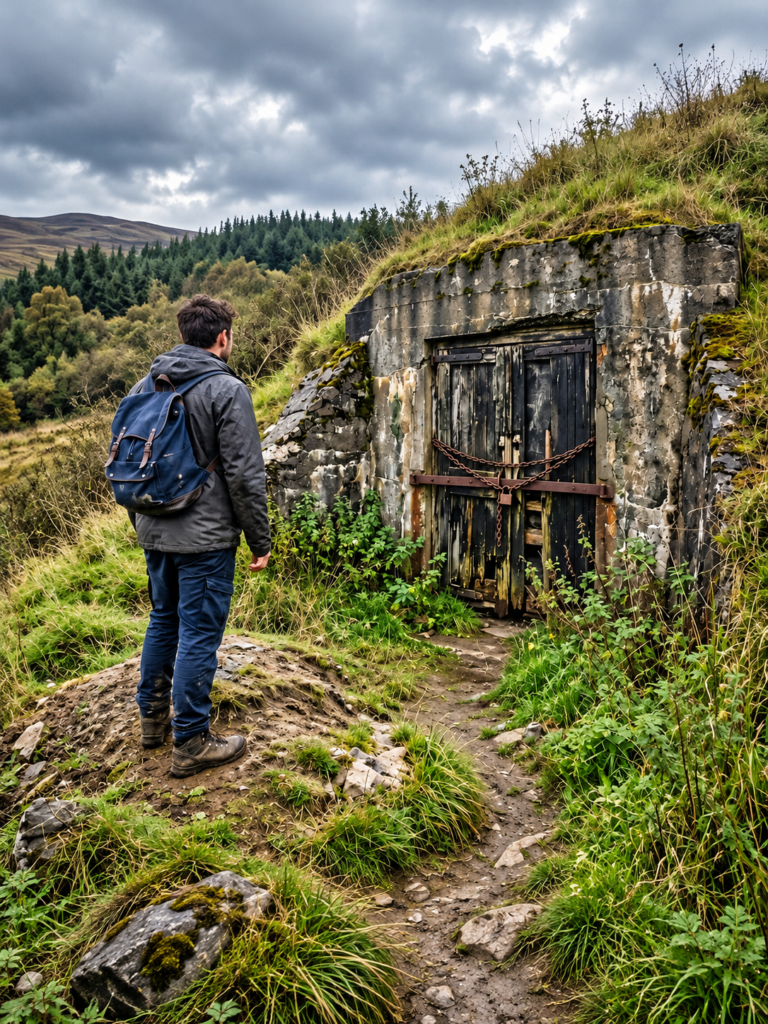
Part 1
My stepmother threw everything I owned onto the driveway the morning after my father’s funeral.
Three black garbage bags. That was what thirty years of being part of a family had come down to.
She kept the waterfront mansion on Mercer Island, the luxury cars, the investment accounts, and ninety percent of the construction company my father had spent his life building.
I inherited a condemned cellar beneath an abandoned brewery annex in downtown Seattle.
A cellar that had been flooded for years.
A cellar the city had officially declared unsafe.
A cellar nobody in their right mind would have paid a dollar to own.
And as I stood in the rain watching Cynthia smile from the entrance of the house where I’d grown up, I truly believed my father had abandoned me.
What I didn’t know was that he had spent years preparing for that exact moment.
And hidden behind a brick wall beneath Seattle was something worth more than everything Cynthia thought she’d stolen.
But before I discovered that secret, I had to lose almost everything.
Four days after my father died, I sat inside Gerald Kensington’s law office, staring at the polished mahogany desk across from me.
The office looked exactly as it had when Dad brought me there as a teenager. Dark wood paneling. Shelves of leather-bound books. Heavy curtains framing windows overlooking downtown Seattle.
Back then, I had believed rooms like that were where responsible men made promises and kept them.
That morning, I learned how easily a promise could disappear when it wasn’t written down.
Mr. Kensington adjusted his reading glasses.
He had served as my father’s attorney for nearly thirty years. I’d known him long enough to remember when his hair was dark and his hands didn’t shake.
But he barely looked at me.
Cynthia sat across the table in a cream-colored designer suit, her blonde hair arranged perfectly around her shoulders. The heavy rose perfume she always wore seemed to fill the room.
Beside her sat Gregory, her biological son.
He was scrolling through his phone, one expensive shoe bouncing beneath the table.
Neither of them looked especially grief-stricken.
My father, David, had been dead for four days.
The doctors called it sudden, aggressive heart failure.
I had spent those four days trying to understand how a man who had once worked sixteen-hour construction shifts could disappear so quickly.
Dad hadn’t been perfect. He could be stubborn, demanding, and almost impossible to persuade once he’d made a decision.
But he had built Hayes Development Group from the ground up.
And he had taught me everything he knew.
I was fifteen when he first brought me to a construction site.
Not to watch.
To work.
He handed me a hard hat, a pair of gloves, and a broom.
“Start there, Tommy,” he said, pointing toward a pile of lumber scraps.
I’d looked at him like he’d insulted me.
“A broom? Seriously?”
He smiled.
“You want to build skyscrapers someday? First learn to respect the people who clean up after you.”
That was Dad.
Before he trusted me with plans, he made me carry materials. Before he let me supervise a crew, he made sure I understood what it felt like to stand in freezing rain pouring concrete.
By my late twenties, I was chief operations officer.
I knew our foremen by name, understood our contracts, and could walk through a partially finished building and recognize trouble before it became expensive.
Dad had told me countless times that the company would eventually be mine to run.
We were supposed to finalize the transition paperwork that month.
Then he died.
And Cynthia took his place at the head of the family table.
She had married my father seven years earlier.
At first, I tried to like her.
Dad had spent too many years alone, and I wanted him to be happy.
Cynthia was charming in those early days. She remembered birthdays, organized dinners, and spoke warmly about how important family was.
But once she became comfortable in the house, things started changing.
Small things.
Dad stopped answering calls when I knew he was home.
Family dinners were canceled because Cynthia said he needed rest.
When I visited, she increasingly appeared in doorways with explanations about his health, his schedule, or his exhaustion.
During his final two years, those explanations became rules.
His doctors changed.
His communications were managed.
Visits required approval.
Whenever I questioned it, she accused me of upsetting him.
“Your father isn’t the strong man you remember, Thomas,” she would say. “You need to accept that.”
I knew he was sick.
I didn’t know why being sick meant he suddenly needed permission to speak to his own son.
Once, I arrived at the Mercer Island estate after learning Dad had missed an important board meeting.
Cynthia stopped me in the foyer.
“He’s sleeping.”
“It’s three in the afternoon.”
“He’s exhausted.”
“I only want five minutes.”
Her smile vanished.
“Then you can have five minutes when his doctors decide he’s well enough.”
I stood there looking past her toward the staircase.
For the first time, I felt like a stranger inside my childhood home.
A week later, Dad called me himself.
His voice sounded tired, but familiar.
“Don’t fight her, Tommy.”
“Dad, something isn’t right.”
“I know.”
The answer was so quiet I almost missed it.
Before I could ask what he meant, he told me to concentrate on the company.
“Keep your eyes on the foundations,” he said. “The rest will make sense.”
I thought he was speaking metaphorically.
I couldn’t have been more wrong.
Mr. Kensington cleared his throat, pulling me back into the office.
“We’ll proceed with the distribution of assets.”
He read the first several paragraphs in the practiced monotone of someone who had delivered thousands of legal documents.
Then he reached the part that mattered.
“To my wife, Cynthia Ann, I leave the primary residence on Mercer Island, the entirety of my liquid assets held in the Chase and Morgan Stanley accounts, the vehicles, and a ninety-percent controlling stake in Hayes Development Group.”
I stared at him.
Ninety percent.
For several seconds, the words didn’t make sense.
I looked at Cynthia.
She didn’t look surprised.
Gregory finally put down his phone.
“Wait,” I said. “What?”
Kensington continued.
“And to my son, Thomas, I leave the subterranean parcel of Lot Forty-Two, located beneath the former brewery annex in Pioneer Square.”
He paused.
“Furthermore, I leave him my absolute faith that he will know exactly what to do with it.”
Silence settled over the table.
Then Gregory laughed.
Not loudly.
Just a little snort, like he’d heard a particularly good joke.
“A basement?” he said. “He left you a basement?”
Cynthia crossed one leg over the other.
“Well, Thomas. It seems your father wanted you to start from the bottom.”
She looked at Gregory.
“Literally.”
They both smiled.
I barely heard them.
My eyes remained on Kensington.
“There has to be a mistake.”
“I’m afraid not.”
“Dad and I had an agreement. I’ve been running operations for years. We were drafting the transition papers.”
“I’m familiar with your position.”
“Then you know this makes no sense.”
Kensington folded his hands.
“The will was revised and notarized six weeks ago.”
Six weeks.
Dad had been getting weaker for months.
“Cynthia had power of attorney,” I said.
“She was granted that authority shortly before the revision.”
“And you’re telling me that’s not suspicious?”
Cynthia made an irritated sound.
“Thomas, your father made his decisions.”
I turned toward her.
“You wouldn’t even let me talk to him alone.”
“Because he was dying.”
“You changed his doctors.”
“Because his old doctors weren’t helping.”
“You controlled every phone call.”
“Because you kept upsetting him.”
Her voice had sharpened.
I looked back at Kensington.
“Was he competent when he signed?”
“The required formalities were observed. Your father signed the document as a person of sound mind.”
“Did you actually speak with him privately?”
Kensington hesitated.
Not long.
But long enough for me to notice.
“The document is legally executed, Thomas. If you wish to challenge it, you may seek independent counsel.”
“Then that’s exactly what I’ll do.”
His expression softened, though there was little comfort in it.
“Litigation of this kind can be prolonged and extraordinarily expensive.”
I knew what he meant.
Without access to Dad’s money or controlling stake in the company, I would be fighting Cynthia with whatever savings I could scrape together.
And she would be fighting with the empire my father had built.
Kensington pushed a manila folder toward me.
Inside was a yellowed property deed dated 1982.
The paper was stained and soft at the edges.
Lot Forty-Two.
Pioneer Square.
Subterranean rights only.
No ownership of a functioning building. No profitable commercial frontage. Nothing with an obvious resale value.
The city had condemned the cellar years earlier because of flooding and structural instability.
I flipped through the pages, hoping there would be something else.
A bank account.
A letter.
A separate instruction.
Anything.
There was nothing.
“Is this really all he left me?”
Kensington lowered his eyes.
“Yes.”
I remembered every early morning on a construction site.
Every weekend I had worked instead of spending time with friends.
Every conversation where Dad had explained the importance of keeping our company in the family.
Now I owned a flooded hole beneath a ruined building.
And Cynthia owned almost everything else.
I stood, took the folder, and walked out without another word.
For two hours I drove around Seattle.
Rain slid down my windshield as I passed buildings my father and I had helped raise.
There was a residential tower where I’d spent six months coordinating concrete deliveries.
An office complex where Dad had insisted we replace an entire section of framing because the original installation didn’t meet his standards.
A luxury apartment building where we’d celebrated the completion of our hundredth major project.
Everywhere I looked, I saw pieces of our lives.
But legally, ninety percent of the company behind those buildings now belonged to Cynthia.
Eventually, I drove toward Mercer Island.
I wanted to change clothes, collect a few things, and get somewhere quiet enough to think.
When I turned into the driveway, I noticed the security gate had been left open.
Two unfamiliar men stood near the front entrance.
And three black garbage bags were sitting on the asphalt.
I parked and got out.
The nearest guard stepped forward.
“Sir, you can’t enter the residence.”
I looked past him.
Cynthia stood beneath the covered portico, completely dry, holding her phone.
“What is this?”
She glanced toward the bags.
“Your belongings.”
I thought I’d misheard her.
“My belongings?”
“Everything we considered yours. You should find it all there.”
I looked at the upstairs windows.
My bedroom had been in that house since I was a kid.
The desk where I’d done my homework. The closet Dad helped me build. The photographs from our fishing trips.
“You went through my room?”
“Of course.”
“Without asking me?”
“Thomas, don’t make this difficult.”
I walked toward the steps.
One guard moved into my path.
I stopped.
“Cynthia. I grew up here.”
“And now it’s my property.”
Her face was different from the one she’d shown at family dinners.
There was no careful sweetness left.
No concern about appearances.
Just cold satisfaction.
“You have thirty seconds to remove your trash from my driveway before I have security call the police.”
Rain soaked through the shoulders of my funeral suit.
I stared at her.
“He’s been dead four days.”
Her expression didn’t change.
“Then perhaps you should spend less time arguing and more time planning your future.”
Gregory appeared behind her.
He looked at the garbage bags and smirked.
“At least you’ve got somewhere to live.”
Cynthia glanced at him.
Then she looked back at me.
“Enjoy your cellar, Thomas. I hear the rats are very hospitable.”
She turned and walked inside.
The heavy oak door shut behind her.
That sound stayed with me long after I left.
I loaded the bags into the trunk of my 2011 Honda Civic.
One had split along the side. A framed photograph of Dad and me had slipped halfway out, its glass cracked.
I picked it up carefully.
The picture had been taken on a construction site when I was seventeen.
We were both wearing hard hats, smiling into the sun.
Dad had an arm around my shoulders.
I sat in the driver’s seat for several minutes holding it.
Then I drove away.
That evening, I checked my bank account.
Three hundred and forty dollars.
I had spent years earning a decent salary, but medical expenses I’d helped cover, family obligations, and the sudden loss of my position had left me with almost nothing readily available.
I called two people I thought might help me.
One was a former business associate.
He answered, listened briefly, and said he didn’t want to get involved in a family dispute.
The other didn’t answer at all.
I considered calling an attorney.
But the consultation fees alone seemed enormous when compared with what I had left.
By midnight, I’d parked outside a twenty-four-hour fitness center.
I reclined the driver’s seat as far as it would go.
My coat was damp.
My stomach hurt from not eating.
I had nowhere to go.
I pulled the yellow deed from the manila folder and studied it under the car’s interior light.
Pioneer Square.
Lot Forty-Two.
Subterranean parcel.
Why?
That was the question I couldn’t escape.
Dad knew real estate better than almost anyone I’d ever met.
He knew the difference between worthless land and a property with potential.
He also knew what flood damage did to foundations.
Why would he specifically leave me a condemned cellar?
If he wanted to punish me, there were easier ways.
And why had Kensington read that strange final sentence?
I leave him my absolute faith that he will know exactly what to do with it.
It didn’t sound like the words of a father who had forgotten his son.
It sounded like an instruction.
I kept thinking about Dad’s last private phone call.
Keep your eyes on the foundations.
Outside, vehicles passed through the wet parking lot.
I looked down at the deed again.
For the first time that day, I felt something other than grief.
Curiosity.
By sunrise, I’d made a decision.
I couldn’t afford to fight Cynthia yet.
I couldn’t recover my job.
And I certainly couldn’t return to the house.
But I could inspect the one thing my father had legally left me.
I stopped at a hardware store and bought a cheap flashlight, a crowbar, and a pair of heavy rubber boots.
After paying, I had less than two hundred dollars remaining.
Then I drove into Pioneer Square.
Lot Forty-Two sat between two renovated commercial properties, where people were enjoying expensive coffee just a few feet from a neglected concrete lot.
A rusting chain-link fence surrounded the abandoned property.
Weeds had pushed through cracks in the pavement.
Broken bottles glittered beneath patches of graffiti.
The original building had burned in the late 1990s, leaving behind little more than a concrete pad and the buried remains of its former industrial spaces.
I parked nearby and climbed out.
At the top of a boarded stairwell, a faded notice warned:
CONDEMNED. DO NOT ENTER. SEVERE FLOOD RISK.
I stood there for a while.
In my career, I’d seen structures far too dangerous for casual exploration. I understood what unstable masonry and water damage could do.
But I had come this far, and I couldn’t force myself to leave without seeing what Dad had left behind.
I pulled away the weathered plywood covering the entrance.
A foul smell rose immediately.
Mildew.
Rotting wood.
Stagnant water.
I switched on the flashlight.
Concrete steps disappeared into darkness.
The walls were green with moss.
I descended slowly, testing each step before shifting my weight.
At the bottom, freezing water filled the floor several inches deep.
My boots sank into it with a heavy splash.
I aimed the flashlight across the cellar.
It was enormous.
Brick arches stretched through the darkness, supported by aging wooden pillars.
Old tires floated against piles of shattered pallets.
Rusted drums leaned beneath stained masonry.
The place looked less like an inheritance than a forgotten dumping ground.
I stood completely still.
Then I laughed.
Once.
Bitterly.
“Thanks, Dad.”
My voice echoed.
“Really appreciate it.”
I walked farther inside, turning my flashlight toward the ceiling.
Some beams were badly decayed.
Others seemed intact.
I noticed the differences automatically.
Years of walking construction sites had trained me to examine spaces even when my mind was somewhere else.
I followed the northern wall, counting my steps.
Then the southern boundary.
Then I looked back toward the entrance.
Something was wrong.
The lot above ground covered approximately five thousand square feet.
But the visible cellar accounted for only about three thousand.
I checked my estimate again.
Then again.
There was too much missing space.
I turned toward the eastern wall.
It was coated in black mold and white mineral deposits.
At first glance, it looked like every other section of old masonry.
But when I moved closer, I noticed the mortar.
Most of the cellar had been built with the softer lime mortar common in late-nineteenth-century construction.
This section was different.
Several joints contained newer Portland cement.
Someone had altered that wall long after the original cellar was built.
I ran my gloved fingers along the bricks.
A few had different wear patterns.
Some of the mortar lines were almost too regular.
I raised the crowbar and tapped the wall.
A dull thud.
I moved a few feet.
Another thud.
Then I struck the center section.
The sound changed.
A hard crack followed by a faint echo.
I froze.
I tapped again.
There it was.
A hollow space.
My pulse quickened.
For the first time since the funeral, the exhaustion seemed to lift.
I checked the wall again, trying to understand its construction.
Someone had deliberately sealed something behind it.
I braced my feet on the wet floor and drove the crowbar into a weakened mortar joint.
The first blow accomplished almost nothing.
The second loosened a small fragment.
By the fifth, my arms were aching.
But the masonry had started to give.
I swung again.
And again.
On roughly the tenth strike, several bricks broke loose and collapsed inward.
A dark opening appeared.
Air rushed through it.
I instinctively stepped back.
I expected another wave of mold and sewage.
Instead, the air smelled remarkably dry.
Cedarwood.
Old paper.
A faint trace of tobacco and aged oak.
I stood in the flooded darkness, staring at the opening.
Those smells did not belong in a condemned cellar.
Something lay beyond that wall.
And someone had gone to extraordinary lengths to protect it.
I widened the gap until it was large enough to climb through.
Then I lifted my flashlight and stepped out of the freezing water onto a raised, perfectly dry concrete floor.
The beam swept across the darkness.
And I stopped moving.
I was standing inside a hidden vault.
Industrial insulation covered the walls. A commercial dehumidifier hummed steadily in one corner, powered by a separate generator.
Heavy wooden crates were stacked along one side of the room.
Custom cedar humidors lined another.
In the center, beneath a thick canvas tarp, sat something shaped unmistakably like a vintage automobile.
I approached the crates first.
The nearest one bore an old stencil.
I brushed away the dust.
The Macallan. Distilled 1926.
I stared at the lettering.
Dad had collected rare spirits for years.
He’d once explained that certain bottles were valued not simply for their age, but for their extraordinary scarcity.
I looked around at the dozens of crates.
Then I turned toward the covered vehicle.
My hands were shaking when I gripped the canvas.
I pulled.
The tarp slid over polished metal.
Midnight-blue paint appeared beneath the flashlight beam.
Then sweeping fenders.
Flawless chrome.
A body shape I knew from books Dad had kept in his study.
A Bugatti Type 57 SC Atlantic.
One of the rarest automobiles ever constructed.
For a moment I couldn’t speak.
Dad had loved classic cars. He had told me stories about the extraordinary prices paid for the few surviving Atlantics.
More than thirty million dollars for one at the highest end of the market.
And one was sitting beneath a ruined brewery annex in Seattle.
I walked around it slowly.
On the driver’s seat sat a polished mahogany box.
I opened the door.
The hinges moved smoothly.
Inside the box were bearer bonds, a ledger, and a sealed envelope.
My name was written on the front.
To Thomas.
I recognized the handwriting immediately.
Dad’s handwriting.
Not the shaky script from the last months of his life.
The steady, confident writing I remembered from years of reviewing blueprints together.
I opened the envelope.
And as I read the first line, tears began falling onto the paper.
My dearest Tommy…
Part 2
I read my father’s letter three times before I trusted myself to believe it.
Standing inside that hidden room, with the flashlight balanced against the mahogany box, I heard his voice in every sentence.
My dearest Tommy,
If you are reading this, it means I am gone, and it means you had the grit to dig through the dirt to find what is truly yours.
I stopped.
That was exactly how Dad spoke.
He never believed something was impossible simply because it looked difficult.
When I was sixteen, I complained about having to tear out a section of concrete we’d just poured.
The measurements had been wrong, and I thought the mistake was small enough to ignore.
Dad made me help remove the entire section.
“A mistake buried under more work is still a mistake,” he’d told me. “Eventually, someone pays for it.”
I looked around the vault.
Even now, he was teaching me something.
I continued reading.
I knew Cynthia’s true nature years ago, but by the time I understood the depth of her legal and financial manipulations, she had already intertwined herself so deeply into the corporate accounts that untangling her would have destroyed the company and left you with nothing but debt.
My eyes moved across the next lines.
So I let her think she won.
I let her play her games above ground, while I quietly secured your real legacy below it.
I lowered the letter.
For years, I had assumed Dad didn’t recognize what Cynthia was doing.
I’d watched her gradually isolate him, watched Gregory become more comfortable issuing orders inside a business he’d never helped build.
I had mistaken Dad’s silence for surrender.
But the letter told a different story.
He had known.
He had been planning.
And he had concealed that plan from almost everyone.
Over the last decade, I liquidated my private, untraceable assets and bought out the collections of three private estates in Europe under a dummy corporation.
She gets the brick, mortar, and the company debt.
You get the empire.
Use it wisely, son. Build your own castle.
Love, Dad.
I read the final words aloud.
“Love, Dad.”
Then I sat down on the concrete floor.
For several minutes, I couldn’t do anything else.
The money was extraordinary.
The car alone might be worth more than most people earned in a lifetime.
But it wasn’t the car that overwhelmed me.
It was the realization that Dad had not forgotten me.
He hadn’t intentionally left me helpless.
He had trusted me with something Cynthia never knew existed.
I looked back at the hole in the brick wall.
On the other side waited four inches of freezing, filthy water.
Above it was a ruined building surrounded by rusting chain-link fencing.
The contrast was almost impossible to comprehend.
Outside, I was a homeless man with fewer than two hundred dollars.
Inside, I was standing among treasures worth tens of millions.
For the first time since the funeral, I smiled.
Then I noticed something else.
The ledger contained records of acquisitions, references to European estates, inventory descriptions, and dates extending back years.
It wasn’t merely a collection of valuables.
It was an organized record of what Dad had assembled.
That mattered.
I had spent enough time around contracts and property transfers to know that possessing something and proving you had the right to sell it were different problems.
The letter explained Dad’s intention.
The ledger could help establish the history of the collection.
And the deed connected me to the underground property.
But none of that meant I could simply drive the Bugatti out of the cellar and sell it to the first person willing to write a check.
I closed the ledger.
I needed professional help.
I also needed to keep the vault secret.
If Cynthia discovered its contents before I could establish control over them, I had no doubt she would try to take everything.
She had already shown me what a family relationship meant when money was involved.
I remained in the vault for hours, examining what I could without disturbing the collection.
The crates had been carefully arranged.
The humidors were sealed.
The car rested in controlled conditions beneath its protective covering.
Even the lighting and mechanical equipment appeared to have been maintained with deliberate care.
Dad had planned this for a long time.
And somehow, he had kept it hidden.
Before leaving, I returned the letter and ledger to the mahogany box and placed it somewhere secure inside the vault.
Then I crawled back through the opening.
Cold water rushed around my boots.
The air felt foul again.
I looked over my shoulder.
No one passing above ground would ever imagine what lay behind those bricks.
But now the opening was visible.
That was a problem I couldn’t ignore.
Over the next forty-eight hours, I lived two completely different lives.
During the day, I was still sleeping in my old Honda Civic, washing my face in public restrooms, and calculating how little I could spend on food.
At night, I returned to Lot Forty-Two.
I used fifty dollars of my remaining money to buy heavy-duty padlocks, chains, and steel grating from a scrapyard.
I reinforced the accessible entrance and used discarded pallets and damaged drywall from the main cellar to conceal the breach in the masonry.
It was ugly work.
My hands blistered.
My boots remained damp.
Every unfamiliar sound made me stop and listen.
I knew the barriers were temporary. They weren’t a substitute for proper security.
But they were enough to make the hidden entrance less obvious while I figured out what to do next.
One night, after arranging the final pieces of the false wall, I sat on an overturned bucket and stared at my hands.
They looked the way they had when I was a teenager working beside Dad.
Scraped.
Dirty.
Sore.
Only this time I wasn’t building something for him.
I was trying to preserve what he’d built for me.
I took out my phone and scrolled through old photographs.
There was Dad standing beside our first major development.
Dad wearing a ridiculous birthday hat at a construction-site celebration.
Dad sitting behind the wheel of a classic American convertible, explaining why the engine sounded better than anything modern.
I stopped on that last photograph.
He’d always loved machines that could survive generations when properly cared for.
I wondered how many times he’d imagined me finding the Bugatti.
Had he pictured me pulling away the canvas?
Had he imagined the look on my face?
I wished he were there so I could ask.
Instead, I whispered into the dark, “I found it, Dad.”
Then I made the most important call of my life.
Years earlier, Dad had taken me to the Pebble Beach Concours d’Elegance.
I’d met a British automobile broker named William Caldwell.
He headed private treaty sales at RM Sotheby’s in London and specialized in extraordinary vehicles and collections.
At the time, our introduction lasted only a few minutes.
But Dad had treated Caldwell with unusual respect.
He had later explained that men like Caldwell were paid for their knowledge, their connections, and their ability to keep sensitive transactions private.
I had never imagined needing someone like him.
Now I did.
Using a burner phone, I contacted his office.
Getting through wasn’t easy.
I wasn’t a known collector.
I didn’t have a family office arranging introductions.
And I certainly didn’t sound wealthy.
When Caldwell finally spoke with me, his tone was polite but guarded.
“Thomas. David’s son?”
“Yes.”
“I’m very sorry about your father. He was an interesting man.”
“He certainly was.”
“What can I do for you?”
I hesitated.
“I found something he left me.”
“What sort of something?”
“A car.”
“What car?”
“I’d rather show you.”
He gave a dry laugh.
“Thomas, people contact me every week claiming to own lost automotive masterpieces.”
“I know how this sounds.”
“Then you’ll understand my hesitation.”
“I can send you a photograph of the chassis identification plate.”
There was a pause.
“Send it.”
I returned to the vault and took a carefully framed picture.
Then I transmitted it to Caldwell.
Less than an hour later, my phone rang.
His voice had changed.
“Where are you?”
“Seattle.”
“Is the vehicle there?”
“Yes.”
“Don’t move it. Don’t let anyone else inspect it.”
“Are you interested?”
“Thomas, I need to see this in person.”
He arrived in Seattle less than twenty-four hours later.
When I met him at Lot Forty-Two, he wore a tailored trench coat and carried an expensive leather briefcase.
He looked at the ruined concrete pad.
Then at the fence.
Then at me.
“You’ve brought me to a condemned property.”
“Yes.”
“Is this some kind of elaborate joke?”
“No.”
He studied my worn clothes and muddy boots.
“You told me your father left you a valuable automobile.”
“He did.”
“Underneath this?”
“Underneath this.”
Caldwell sighed.
Then he followed me.
The moment we reached the flooded cellar, I heard him mutter something under his breath.
“This is absurd.”
“You’re not wrong.”
We waded through the water.
His shoes disappeared into the murk.
He said nothing else until I moved the temporary barrier and showed him the opening.
He stopped.
“What’s through there?”
“That’s what you came to see.”
I led him inside.
The dry air of the vault met us.
I watched his expression change as the flashlight illuminated the crates and cedar cabinets.
He took a few careful steps.
Then he saw the canvas-covered vehicle.
“Thomas.”
I pulled away the tarp.
For a moment, Caldwell didn’t move.
Then his briefcase slipped from his hand and hit the floor.
“My God.”
He approached the car slowly, as though afraid that moving too quickly might cause it to vanish.
His gloved fingers traced the air just above the sweeping bodywork.
He crouched near the identifying details.
He examined the trim.
Then the construction.
His usual composure was gone.
“David always hinted he had a white whale,” he whispered. “I thought he was telling stories over Scotch.”
He looked at me.
“Do you understand what this is?”
“A Bugatti Type 57 SC Atlantic.”
“This may be the missing chassis associated with the 1939 Paris Salon. Thomas, if authentication supports what we’re seeing, this belongs among the most important automobiles in the world.”
He looked back at it.
“It belongs in the Louvre.”
I thought about the garbage bags in Cynthia’s driveway.
The fitness-center parking lot.
The three hundred and forty dollars in my checking account.
“With respect, Mr. Caldwell, I need it to belong to the highest qualified bidder.”
He straightened.
“You intend to sell?”
“Yes.”
“You realize that an automobile of this significance could attract global attention.”
“Which is why there won’t be a public auction.”
His expression became thoughtful.
“Private treaty only?”
“Private treaty only. I want authentication, vetted buyers, appropriate documentation, and complete discretion.”
Caldwell studied me for several seconds.
“Your father taught you to be careful.”
“He taught me not to confuse a valuable thing with money I can actually use.”
That made him smile.
We spent the following hours discussing the collection.
I showed him the ledger.
He examined the records and explained the importance of verifying provenance, ownership, and the authenticity of each object.
The inventory gave him a starting point.
It did not eliminate the need for specialist review.
I understood that.
What mattered was that the collections were no longer just a staggering discovery hidden underground.
They were assets that could be documented, valued, and professionally transferred.
Caldwell had potential buyers in Geneva and Dubai.
He also knew specialists who handled rare whisky, cigars, and historical financial instruments.
I told him I wanted the transactions structured through a corporate entity in the Cayman Islands, with experienced advisers handling the legal and financial details.
I had no desire for my name to appear in the newspapers.
I wanted Cynthia to continue believing I was broke.
Not because I was ashamed.
Because I wasn’t ready for her to know what I could do.
The process moved far more quickly than I’d thought possible.
Once the specialists verified the collection and the necessary arrangements were completed, Caldwell began contacting private buyers.
Three days after his first visit, a specialized transport crew arrived at three in the morning.
The old freight elevator shaft Dad had secretly maintained became the route out.
Watching the crew prepare the Bugatti was almost unbearable.
They worked with hydraulic lifting equipment, protective supports, and deliberate precision.
I stood nearby, barely speaking.
That car had survived decades of history.
And it had spent years hidden beneath a ruined section of Seattle.
Now it was moving toward a buyer who had agreed to pay an astonishing sum.
When the climate-controlled trailer finally closed around it, Caldwell stood beside me.
“Are you having second thoughts?”
I looked at the vehicle’s outline beneath its protective covering.
“A little.”
“You may never find another.”
“I know.”
“Then why sell it?”
I considered the question.
Because I wanted my house back?
Because Cynthia had humiliated me?
Because I’d spent nights wondering whether I could afford breakfast?
All of those answers were true.
But none was the whole truth.
“Because Dad didn’t leave it here for me to stare at,” I said. “He left it here so I could build something.”
Caldwell nodded.
He didn’t argue.
The other collections followed.
The Macallan crates were inventoried and transferred.
The cedar humidors were handled by specialists.
The bearer bonds were authenticated in Zurich and processed through the appropriate financial arrangements.
The financial outcome was almost impossible to comprehend.
Hidden collection
Proceeds
Bugatti Type 57 SC Atlantic
$34 million
Rare whisky and cigars
$9 million
Authenticated bearer bonds
$12 million
Total
$55 million
In less than three weeks, I had gone from sleeping in a gym parking lot to controlling approximately fifty-five million dollars in liquid wealth through my newly established accounts.
I remember sitting in my car when the final confirmation arrived.
The number on the statement looked unreal.
I refreshed the screen.
It remained the same.
I refreshed it again.
Then I set down the phone and stared through the windshield.
People were walking past on their way to work.
A delivery truck had stopped beside the curb.
Someone hurried across the street holding a paper cup of coffee.
The world looked exactly as it had when I was broke.
The only thing that had changed was my position inside it.
I thought I would feel triumphant.
Instead, I began crying.
Not the dramatic, angry tears I’d held back in Kensington’s office.
Quiet tears.
I had spent weeks believing my father had chosen Cynthia over me.
Now I understood that he had made extraordinary preparations to leave me something independent of her influence.
He couldn’t give me back the time we’d lost.
He couldn’t undo the pain of our last two years.
But he’d given me a way forward.
When I finally stopped crying, I looked at Dad’s photograph on the passenger seat.
“Okay,” I whispered. “Now I know what to do.”
I didn’t buy a mansion.
I didn’t buy a yacht.
I rented a modest apartment in downtown Seattle.
The first night, I stood under the shower until the water began cooling.
Then I put on clean clothes and slept in a real bed.
For the first time since Dad’s death, I slept through the night.
The following morning, I bought three custom-tailored suits and arranged meetings with experienced corporate attorneys and forensic accountants.
I told them everything relevant about Hayes Development Group.
The ownership structure.
The company’s financial history.
Cynthia’s growing influence.
Gregory’s lack of experience.
My father’s letter.
And my belief that the company Cynthia inherited was carrying serious financial weaknesses.
One accountant asked me what I wanted.
“To challenge the will?” he said.
“No.”
“To recover your former position?”
“Not exactly.”
“Then what?”
I looked at the conference table.
“I want to understand who really controls Hayes Development.”
He leaned back.
“Cynthia controls ninety percent of the equity.”
“I know.”
“Then what are you hoping to accomplish?”
I remembered Dad’s handwriting.
She gets the brick, mortar, and the company debt.
“I want to know who controls the debt.”
That became the beginning of Vanguard Capital Partners.
I established the holding company with the help of my advisers and kept my ownership private within the arrangements available to us.
Then I began watching the business I’d once helped run.
Cynthia wasted almost no time making Gregory chief operations officer.
That was her first major mistake.
Gregory liked being in charge.
He liked expensive offices, private travel, and being introduced as an executive.
What he didn’t like was construction.
He had never spent a winter morning on a muddy jobsite.
He didn’t understand why project schedules depended on cooperation among dozens of subcontractors.
He treated experienced superintendents as though they were replaceable servants.
And he assumed company funds would continue flowing regardless of his decisions.
Within four months, the consequences were obvious.
Gregory alienated the labor unions.
A two-week strike halted work on the company’s flagship downtown high-rise.
Every idle day cost money.
Every delayed delivery disrupted another part of the construction schedule.
And every angry subcontractor became another threat to completion.
I read the reports from my apartment.
I knew many of the workers involved.
I had spent years earning their trust.
I remembered being on a jobsite with Dad when a foreman challenged one of his decisions.
Dad listened.
Then he admitted the foreman was right.
Later, he told me, “The man closest to the problem usually sees something you don’t.”
Gregory had never learned that lesson.
When the strike ended, the project remained under financial pressure.
Cynthia authorized cheaper imported materials in an attempt to control costs.
City inspectors flagged the steel framing.
The project stalled again.
Penalties mounted.
Cash reserves shrank.
Soon Hayes Development was spending extraordinary sums merely to keep unfinished projects alive.
Meanwhile, Cynthia and Gregory continued living as though the company had limitless resources.
They maintained the Mercer Island estate.
They kept their luxury vehicles.
Gregory traveled.
Cynthia hosted parties.
And while the company’s finances deteriorated, the people who actually built its projects struggled with delayed schedules and uncertainty.
My accountants watched the situation carefully.
“They’re going to need financing,” one told me.
“How soon?”
“At the current rate? Soon. And they won’t be borrowing on favorable terms.”
He was right.
To sustain operations and their lifestyle, Cynthia began leveraging the company’s remaining assets.
She arranged high-interest mezzanine financing secured by corporate holdings.
Her controlling stake and the Mercer Island estate became part of the collateral arrangements.
I studied the reports.
And I began to understand exactly what Dad meant.
Owning a company was not the same as controlling its future.
Equity could become nearly worthless if debt consumed the business beneath it.
And lenders could have enormous leverage when borrowers failed to satisfy their obligations.
I told my advisers to identify opportunities to purchase the outstanding mezzanine loans.
Quietly.
Lawfully.
Without drawing attention to my involvement.
Vanguard began acquiring debt associated with Hayes Development, including loans held by Chase and Morgan Stanley.
We paid premiums where necessary.
But we didn’t announce our strategy.
We let the financial pressure do what Cynthia’s arrogance had already started.
By the sixth month, Vanguard controlled ninety percent of Cynthia’s corporate and personal debt exposure.
I wasn’t merely watching her financial collapse anymore.
I had become her principal creditor.
My attorney, Harrison Cole, reviewed the loan agreements and collateral provisions repeatedly.
He was a meticulous corporate litigator who disliked careless assumptions.
“The covenants matter,” he reminded me. “And so do the notice requirements. We act under the documents, not under emotion.”
I appreciated that.
For months, my decisions had been fueled by humiliation and grief.
But the company deserved more than an emotional revenge plan.
Hundreds of workers and their families depended on it.
I didn’t want Hayes Development destroyed.
I wanted it rescued from the people destroying it.
Then Gregory went on vacation.
He rented a chartered yacht in Monaco.
While he was enjoying himself overseas, a quarterly debt covenant payment came due.
And Gregory missed it.
Not by a few minutes.
Not because of an unexpected banking error.
The payment was seventy-two hours late.
When Harrison called me with the news, I was standing beside the window of my apartment, looking toward downtown Seattle.
“The default provisions have been triggered,” he said.
“Are we ready?”
“Yes. The necessary notices are prepared.”
I looked toward the skyline.
Somewhere among those towers stood the unfinished steel skeleton of our flagship project.
The one Dad and I had once expected to complete together.
For six months, Cynthia had believed she’d won.
She thought I was gone.
She thought the company belonged to her.
And she thought the son she’d thrown onto the driveway no longer mattered.
I adjusted my grip on the phone.
“Send the notices, Harrison.”
He paused.
“And the meeting?”
“Set it at Kensington’s office.”
“You’re certain?”
I looked at the photograph of Dad on my desk.
“That’s where they told me I had nothing.”
I let the words settle.
“That’s where they can find out who I am now.”
Part 3
Six months after my father’s funeral, I returned to Gerald Kensington’s law office.
This time, I wasn’t carrying a water-damaged deed.
I wore a charcoal Tom Ford suit, polished leather shoes, and a watch Dad had given me years earlier.
But beneath the expensive clothes, I was still the same man who had carried those garbage bags away from Mercer Island.
I remembered every second of that afternoon.
The rain.
The security guards.
Gregory’s laughter.
And Cynthia’s voice telling me I had thirty seconds to remove my belongings.
I hadn’t forgotten any of it.
The office looked almost exactly the same.
Dark mahogany walls.
Thick carpeting.
Leather furniture.
Even the familiar smell of furniture polish remained.
Harrison Cole stood beside me in the hallway, holding a slim leather portfolio.
“They’re inside,” he said.
“Both of them?”
“Cynthia and Gregory. Mr. Kensington is also present.”
“Do they know?”
“No. They believe they’re meeting the chief executive of Vanguard Capital Partners.”
I nodded.
Over the previous several days, Vanguard had issued formal notices of default based on the missed payment and the applicable loan provisions.
The accelerated debt had become immediately due under the terms we were enforcing.
Cynthia couldn’t pay it.
Hayes Development’s finances were in terrible condition.
The assets she’d once considered untouchable were now tied to obligations she had no realistic ability to satisfy.
The controlling shares of the company, its remaining corporate assets, and the Mercer Island estate were all exposed under the relevant collateral arrangements.
Cynthia had requested an emergency meeting.
She wanted to negotiate.
According to Harrison, she hoped the mysterious owner of Vanguard would accept a restructuring arrangement that allowed her to retain a substantial financial benefit while walking away from the company’s problems.
She still thought she could charm her way out.
I almost smiled.
“Before we go in,” Harrison said, “remember something.”
I looked at him.
“Whatever happens in that room, we follow the agreements and the legal process.”
“I know.”
“Don’t promise anything you can’t enforce.”
“I won’t.”
He studied me.
“Are you doing this for the business or for revenge?”
I thought about the question.
Six months earlier, I would have answered without hesitation.
Revenge.
I had wanted Cynthia to feel the same helplessness she’d forced on me.
But I’d spent months reviewing the company’s financial condition.
I’d seen how Gregory’s mismanagement affected workers, suppliers, and families who had nothing to do with my inheritance.
And I remembered why Dad had built Hayes Development in the first place.
He wanted to create something lasting.
Something that paid people fairly for honest work.
Something worth handing down.
“I’m doing it because the company deserves to survive,” I said.
Harrison nodded.
“Then we’re ready.”
Through the glass wall, I could see Cynthia sitting at the conference table.
She looked older.
The perfectly composed woman from the will reading had been replaced by someone whose face showed the strain of months of financial trouble.
She wore another expensive outfit, but it couldn’t hide her exhaustion.
Gregory sat beside her.
His shirt collar was open.
His phone lay facedown on the table.
For once, he wasn’t smiling.
Mr. Kensington occupied his familiar chair near the head of the table, reviewing documents.
I stood there watching them for a moment.
Then Harrison opened the door.
“Mrs. Cynthia, thank you for your patience.”
She stood immediately.
“Finally. We’ve been waiting.”
“I understand.”
“Has the CEO agreed to discuss reasonable terms?”
Harrison stepped aside.
“The CEO of Vanguard Capital Partners is ready to see you.”
I walked into the room.
Cynthia smiled automatically.
Then she recognized me.
The smile disappeared.
She gripped the back of her chair.
For several seconds, she said nothing.
Gregory stared.
Mr. Kensington’s pen slipped from his fingers and struck the table.
“Thomas?” he said.
I closed the door behind me.
“Good morning.”
Cynthia blinked several times.
“What are you doing here?”
I walked toward the head of the table.
She looked at Harrison.
“What is the meaning of this?”
Harrison remained calm.
“Mr. Thomas is the chief executive and sole shareholder of Vanguard Capital Partners.”
Gregory pushed back his chair.
“No.”
I turned toward him.
“Yes.”
“That’s impossible.”
“Sit down, Gregory.”
He didn’t move.
“You were broke.”
“I was.”
“You were living in your car.”
“That’s true.”
He shook his head.
“You got nothing but that rotten cellar.”
I looked at him.
“And what a cellar it turned out to be.”
Cynthia made a small sound.
Her gaze darted between me and Harrison.
“You’re saying Thomas owns Vanguard?”
“That is correct,” Harrison replied.
I reached the chair at the head of the table.
It was the seat Dad had used during countless meetings.
I remembered him leaning over project schedules, challenging estimates, and asking questions that inexperienced executives never thought to ask.
I placed one hand on the chair.
But I didn’t sit.
“Six months ago,” I said, “you told me my inheritance was worthless.”
Cynthia swallowed.
“Thomas, this isn’t the time for family grievances.”
“You’re right.”
I looked at the documents on the table.
“This is a business meeting.”
Her eyes narrowed.
“What exactly do you want?”
I opened Harrison’s portfolio.
“Vanguard Capital Partners currently controls ninety percent of the corporate and personal debt associated with your financial arrangements.”
Gregory glanced at Kensington.
The older attorney didn’t interrupt.
I continued.
“As of nine o’clock this morning, the outstanding obligations covered by our enforcement notices are being called in under the loan agreements.”
Cynthia shook her head.
“That can’t be right.”
“It is.”
“Those loans were arranged through legitimate financial institutions.”
“And Vanguard lawfully acquired the relevant debt.”
She turned toward Kensington.
“Tell him!”
Kensington adjusted his glasses.
“Mrs. Cynthia, the transfers have been reviewed. Vanguard is the creditor under the assigned agreements.”
Gregory’s face went pale.
“How much?”
Harrison placed a document in front of him.
“Eighty-two million dollars.”
Gregory stared at the page.
I watched Cynthia read the same figure.
Then she looked up at me.
“You can’t possibly expect immediate payment.”
“The default provisions have been triggered,” I said. “The applicable cure period has expired.”
“We can restructure.”
“That was an option before you exhausted your credit and let the company deteriorate.”
“Thomas, be reasonable.”
I looked at her.
“Reasonable?”
She flinched at my tone.
I continued more quietly.
“Reasonable would have been listening when the construction managers warned Gregory about the labor situation.”
Gregory shifted in his chair.
“That strike wasn’t my fault.”
“You alienated the unions.”
“They were making unreasonable demands.”
“You didn’t understand the agreements you were supposed to manage.”
He opened his mouth.
I didn’t let him interrupt.
“You authorized decisions that cost the company millions. Then you left the country while the financing arrangements were approaching a critical deadline.”
He looked away.
I turned back toward Cynthia.
“And reasonable would have been refusing to use substandard materials on a high-rise project.”
Her lips tightened.
“We were reducing costs.”
“You were compromising the job.”
“The inspectors were being difficult.”
“The steel didn’t meet the requirements.”
Silence followed.
I thought of Dad walking across a construction floor with a rolled blueprint under his arm.
He would never have allowed that.
He’d once told me that profit was meaningless if you had to betray the people living or working inside your buildings to earn it.
Cynthia had never understood him.
She understood bank balances.
She understood ownership percentages.
She understood appearances.
But she didn’t understand why the company existed.
I tapped the stack of documents.
“Here’s what happens next. Vanguard is enforcing the collateral provisions. Your controlling shares of Hayes Development are subject to transfer or seizure through the applicable procedures. The pledged corporate assets and accounts are part of the enforcement process.”
Cynthia stared at me.
I continued.
“The vehicles and other secured assets are included where the agreements provide. And the Mercer Island estate is subject to foreclosure.”
Her face changed.
For the first time, I saw genuine fear.
“Not the house.”
I didn’t answer immediately.
“Thomas,” she whispered. “You can’t take the house.”
I looked at the woman who had stood on those front steps and laughed at me.
“Why not?”
“Because it’s my home.”
Those words hung between us.
My home.
I remembered sitting in the garage with Dad, learning how to change the oil in my first car.
I remembered helping him paint the backyard fence.
I remembered Christmas mornings.
Birthday dinners.
The kitchen table where he had taught me to solve math problems by calculating material quantities from actual building plans.
The house had been more than an asset to me.
It had been the center of my childhood.
Then Cynthia had turned it into something I wasn’t even allowed to enter.
“That was my home too,” I said.
Her eyes filled.
“Thomas, please.”
“You changed the locks while I was at the will reading.”
She looked down.
“You had security waiting for me.”
No answer.
“You put everything I owned into garbage bags.”
Gregory rubbed his forehead.
“Look, maybe everyone was emotional—”
I turned toward him.
“Don’t.”
He stopped.
I looked back at Cynthia.
“Do you remember what you said to me?”
She shook her head.
“Thomas…”
“You said I had thirty seconds to get my trash off your driveway.”
A tear slipped down her cheek.
I kept my voice level.
“You threatened to have me arrested if I tried to enter the house where I’d grown up.”
“I was under enormous stress.”
“So was I.”
“My husband had just died.”
“My father had just died.”
She began crying harder.
For several seconds, no one spoke.
Then she reached toward me.
“Please, Tommy.”
Something inside me tightened.
“Don’t call me that.”
She froze.
“My father called me Tommy,” I said. “You don’t get to use that name now.”
I looked at Harrison.
He slid the relevant enforcement and possession documents across the table.
“The Mercer Island property is included in the secured obligations,” he explained. “The formal transfer and foreclosure procedures are being pursued under the applicable agreements and law.”
Cynthia barely seemed to hear him.
She was staring at me.
“What are we supposed to do?”
I remembered sleeping in the Honda with my coat pulled over my chest.
I remembered wondering whether I could afford another meal.
I remembered standing in ankle-deep water inside the ruined cellar, asking my dead father why he’d abandoned me.
And I remembered the note he’d left.
Use it wisely, son.
I had spent months imagining this confrontation.
In those imaginings, Cynthia screamed.
Gregory begged.
And I felt an enormous, uncomplicated satisfaction.
The reality was different.
She looked smaller than I remembered.
Gregory seemed like a frightened boy wearing an expensive man’s clothes.
Watching them unravel did not erase what had happened to me.
It didn’t bring Dad back.
It didn’t restore the final years we’d lost.
But it did make something clear.
They no longer had the power to decide what happened to my life.
“I expect you to cooperate with the property transition,” I said. “My security team will coordinate access and inventory with the authorized representatives. You are not to remove secured artwork, silver, vehicles, or other assets covered by the enforcement documents.”
Cynthia wiped her cheeks.
“And our personal things?”
“Your clothes and belongings that aren’t subject to the agreements can go with you.”
She looked almost relieved.
Then I added, “The representatives will explain the lawful move-out arrangements. I want the property voluntarily vacated by five o’clock today, if you’re able to arrange that.”
Gregory buried his face in his hands.
He began crying quietly.
Cynthia stared at the documents.
She had arrived hoping to negotiate with an anonymous financier.
Instead, she was facing the stepson she’d thrown away.
And the fortune she had believed would protect her was no longer enough to protect even her house.
She looked up one final time.
“How did you do this?”
I considered what to tell her.
I could have described the vault.
The perfectly preserved Bugatti.
The rare whisky.
The bearer bonds.
I could have explained how Dad had quietly assembled a hidden fortune while she concentrated on controlling everything above ground.
But I didn’t owe her every detail.
“My father knew what was happening,” I said.
She stiffened.
“He knew you were maneuvering for control. He knew the company was becoming vulnerable.”
“That’s not true.”
“He left me a letter.”
Her expression changed again.
I watched her absorb those words.
“David wrote you a letter?”
“Yes.”
“What did it say?”
I paused.
“That he trusted me.”
Her eyes lowered.
“And that he knew I’d understand what mattered.”
I placed my hand on the back of Dad’s chair.
“He built Hayes Development on years of difficult work. You treated it like an endless bank account. Gregory treated the executive offices like a playground.”
Gregory didn’t look up.
“But you forgot something,” I said.
Cynthia stared at me.
“A company can own beautiful buildings and still be drowning in debt. A person can own ninety percent of the shares and still lose control.”
I looked toward the windows overlooking Seattle.
“Dad understood foundations. He knew what was solid and what was about to collapse.”
Then I faced them again.
“He left you the empire you could see.”
I picked up my portfolio.
“And he left me the means to build the one you couldn’t.”
I walked toward the door.
Neither Cynthia nor Gregory tried to stop me.
When I reached the handle, I remembered her last words to me on the driveway.
The cruelty in her voice.
The satisfaction in Gregory’s laughter.
I stopped and looked back.
“Oh, Cynthia.”
She raised her head.
“If you need somewhere to stay tonight, I still own a lovely cellar down in Pioneer Square.”
She stared at me.
I allowed myself a small smile.
“I hear the rats are very hospitable.”
Then I opened the door and walked out.
Outside, Seattle looked different.
The heavy gray clouds that had covered the city all morning were breaking apart.
Sunlight reflected from glass office towers.
Traffic moved through the streets.
People hurried past carrying laptops and cups of coffee.
The city hadn’t stopped because my father died.
It hadn’t stopped when Cynthia threw me out.
And it certainly hadn’t stopped while I slept in a parking lot.
Life continued whether I was ready for it or not.
Harrison caught up with me outside the building.
“That went about as expected,” he said.
I looked at him.
“Did it?”
He smiled faintly.
“From a legal standpoint, we still have the remaining procedures to complete. But the default is established, our position is documented, and they understand the consequences.”
I nodded.
“Good.”
“What do you want to do first?”
I looked toward downtown.
The steel skeleton of the unfinished Hayes Development high-rise was visible against the clearing sky.
For months, it had stood there as a monument to Gregory’s incompetence and Cynthia’s greed.
Now I saw something else.
An unfinished promise.
“I want a meeting with the union representatives tomorrow.”
Harrison nodded.
“And after that?”
“The project managers. Inspectors. Engineering teams. Anyone involved in the framing problems.”
“You’ll need to review the budget.”
“We will.”
“The company has serious obligations.”
“I know.”
He studied me.
“Thomas, you’ve won control over a very complicated situation. Rebuilding the business won’t be easy.”
I looked back at the skyline.
“Nothing worth building ever is.”
He smiled.
“I think your father would have liked that answer.”
For a moment, I couldn’t speak.
Then I nodded.
“Yeah. I think he would.”
We separated at the curb.
I pressed the button on my key fob.
The lights of my Aston Martin flashed.
It was the first truly extravagant thing I’d bought after securing the hidden inheritance.
I’d initially resisted purchasing it.
Then I’d remembered Dad’s love of beautiful machines, and something about owning a car I chose for myself felt appropriate.
But as I opened the driver’s door, I thought of my old Honda Civic.
I hadn’t sold it.
It was still parked in a secure garage.
Not because I needed it.
Because I didn’t want to forget.
I wanted to remember the sound of rain striking its roof while I tried to sleep.
The feeling of counting my remaining dollars.
The cracked photograph I’d rescued from a garbage bag.
And the morning I drove into Pioneer Square without knowing whether I’d find anything at all.
I sat behind the wheel of the Aston Martin and took out my father’s letter.
I carried it with me now, protected in a simple folder.
The paper was slightly worn from the number of times I’d unfolded it.
I read the final lines again.
You get the empire.
Use it wisely, son.
Build your own castle.
Love, Dad.
I thought about what those words meant.
At first, I’d believed the hidden fortune was the greatest thing Dad had left me.
Fifty-five million dollars.
A lifetime of financial freedom.
Enough to reclaim the company from Cynthia and Gregory.
But sitting there, after seeing the people who had humiliated me lose their control, I understood that Dad’s greatest gift wasn’t the money.
It was the opportunity to choose what kind of man I would become.
Cynthia had chosen control.
Gregory had chosen entitlement.
My father had chosen patience, preparation, and trust.
And I had a decision to make about the rest of my life.
I could use the money to purchase beautiful things and never work another day.
I could spend years celebrating the downfall of two people who had treated me cruelly.
Or I could return to the work that had shaped my childhood.
The work Dad and I had loved.
I looked toward the unfinished high-rise again.
Somewhere inside those exposed steel frames were hundreds of decisions waiting to be made.
Workers waiting for stability.
Families depending on paychecks.
Contracts that needed to be repaired.
Materials that needed replacing.
Trust that needed earning all over again.
It would take more than money.
It would take time.
Judgment.
And the willingness to get my hands dirty.
I smiled.
Dad had prepared me for that part long before he ever bought a Bugatti.
I remembered him handing fifteen-year-old me a broom and telling me to start at the bottom.
For years, I’d believed he was simply teaching me humility.
Now I understood that he was teaching me how to begin again.
The same lesson had carried me through the darkest weeks of my life.
When Cynthia took the mansion, the company, and everything I thought defined my future, I had believed I was finished.
But a ruined cellar had taught me otherwise.
Sometimes the most valuable things are hidden beneath what everyone else considers worthless.
Sometimes the person who appears to have lost everything is the one holding the strongest foundation.
And sometimes the greatest inheritance isn’t what someone leaves in your name.
It’s the faith they leave in your ability to rebuild.
I folded the letter carefully.
Then I started the engine.
Tomorrow, I would meet with the unions.
Tomorrow, I would begin repairing the damage.
Tomorrow, Hayes Development would start becoming the company my father had always intended it to be.
But that afternoon, as sunlight spread across Seattle, I allowed myself one quiet moment.
I thought of Cynthia standing on the portico, laughing as rain soaked through my suit.
I thought of Gregory mocking the cellar.
I thought of Kensington sliding that yellowed deed across his desk.
They had all seen the same piece of paper.
They had all believed it proved I was worthless.
But Dad had seen something none of them could.
He had known that beneath all that dirt, decay, and darkness, there was a fortune waiting for someone willing to look deeper.
And he had trusted that someone to be me.
I pulled away from the curb, toward the skyline my father had helped shape.
For the first time in six months, I wasn’t driving away from something I’d lost.
I was driving toward something I could build.
Because when you’ve been pushed all the way to the bottom, you can either stay buried beneath what happened to you—
Or you can start laying the foundation for everything that comes next.
And this time, the foundation would be mine.


