
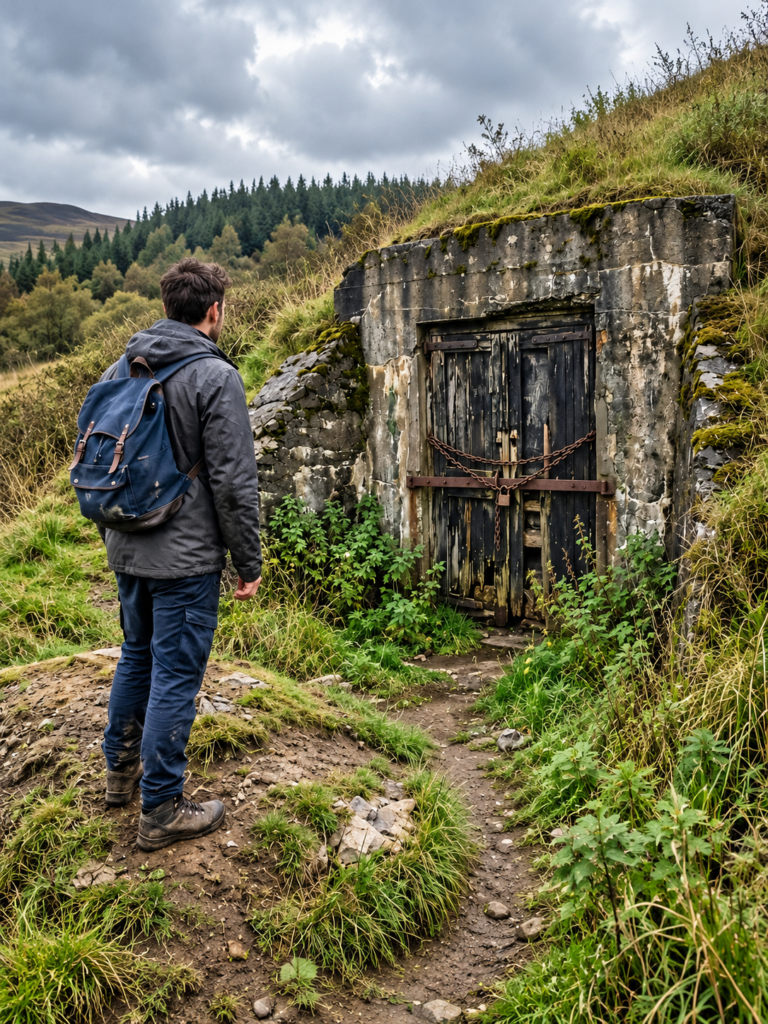
Part 1
“You have thirty days to get out, Mom.”
Margaret Henderson stared at her only daughter across the dining table.
For a moment, she thought she must have misunderstood.
The woman speaking those words was Chloe, the same little girl Margaret had once carried through snowstorms when her boots were too small, the same child whose fever she had watched through sleepless nights, the same daughter for whom she and her late husband had sacrificed almost everything.
Now Chloe was looking at her as though she were an obstacle that needed to be removed.
“Thirty days?” Margaret repeated quietly.
Her voice sounded thin in the familiar dining room.
Outside, an October rain tapped against the windows of the Portland home she had lived in for forty-two years. The old grandfather clock ticked in the hallway, and the smell of coffee lingered from breakfast.
Everything around her was familiar.
Everything except her daughter.
Chloe sat stiffly in a charcoal business suit, her dark hair pulled into a perfect knot. Beside her was her husband, David Finch, a successful commercial property developer who had never learned to hide the calculation behind his polished smile.
David pushed a folder across the table.
“It isn’t personal, Margaret. The neighborhood is changing. The city has approved rezoning, and we’re moving forward with a major redevelopment project.”
Margaret looked at the folder but didn’t touch it.
“What redevelopment project?”
“Luxury townhomes,” he said. “Twenty-eight units. Private parking. Modern amenities. The whole development is worth approximately twelve million dollars.”
Margaret glanced toward the kitchen doorway.
On the wall hung a photograph of her husband, Thomas, standing beneath the apple tree he had planted the year Chloe was born.
His hair had been thick and dark then. He was holding their infant daughter in his arms.
“What does that have to do with my house?” she asked.
Chloe sighed.
“Mom, we’ve discussed this. The property is too much for you. Four bedrooms, two floors, that huge yard. You’re sixty-eight. You can’t keep living here forever.”
“I still manage just fine.”
“You think you do.”
Margaret felt something tighten in her chest.
She had expected conversations about getting older. She had expected Chloe to worry about her climbing stairs or driving in winter.
She hadn’t expected to be spoken to like a troublesome stranger.
“This house is paid for,” Margaret said. “Your father worked thirty-six years to make sure of that. We never missed a mortgage payment. We never borrowed against it. Everything we had went into this place.”
David cleared his throat.
“Actually, that’s the issue we need to clarify.”
He opened the folder and removed a document.
Margaret recognized the county seal immediately.
It was a property deed.
At the bottom was a signature.
Her signature.
She adjusted her reading glasses.
“What is this?”
“A quitclaim deed,” David said. “You transferred ownership to our holding company three years ago.”
Margaret shook her head.
“No. I never sold my home.”
“You didn’t sell it,” Chloe replied. “You transferred it.”
The distinction meant nothing to Margaret.
She remembered three years earlier, when Thomas had died after a terrible battle with pancreatic cancer.
Those months had blurred together into a nightmare of hospital corridors, unpaid bills, medication bottles, and sleepless nights.
David had come to the house carrying documents.
He had told her they were necessary to consolidate medical debts and protect her assets.
She had been exhausted, barely eating, and still finding herself setting a second plate at dinner before remembering that Thomas would never come home.
And Chloe had stood beside him.
“It’s just paperwork, Mom,” her daughter had said. “David knows what he’s doing.”
So Margaret had signed.
Now she stared at the document, feeling the truth settle over her like freezing water.
“You told me it was to protect the house.”
“It did protect the house,” David answered. “We handled the debts and kept everything stable.”
“You told me I would always own it.”
Neither of them answered.
Margaret looked at Chloe.
“Did you know?”
Her daughter lowered her eyes.
That was answer enough.
Margaret pushed the deed away.
“Your father trusted you.”
Chloe’s mouth tightened.
“Please don’t bring Dad into this.”
“He spent forty-two years building a home for his family.”
“And now that home is standing in the way of something much bigger,” David interrupted.
Margaret turned toward him.
“Something bigger than family?”
David said nothing.
Chloe stood.
“We found you a place at Shady Pines Assisted Living in Gresham. It’s clean, secure, and they have activities for seniors. We’ll cover the first month’s rent.”
Margaret gave a disbelieving laugh.
“A nursing home?”
“It’s assisted living, Mom.”
“I don’t need assisted living.”
“You can’t stay here.”
Margaret rose slowly from her chair.
Her knees ached, but she kept her shoulders straight.
“This house has your father’s fingerprints in every room,” she said. “He built the porch railing himself. He repaired the roof after the ice storm of 1996. He planted those roses because I once told him my mother used to grow them.”
Her voice trembled.
“And you want to tear it all down?”
Chloe looked toward the window.
“We can’t let sentiment ruin a business opportunity.”
Margaret stared at her daughter for a long time.
Then she said the one thing Chloe seemed unable to answer.
“When did I stop being your mother and become a business problem?”
The silence was unbearable.
David gathered the papers.
“The demolition schedule is already approved. We need the property vacant by November fifteenth.”
Chloe picked up her handbag.
“We’ll give you time to adjust.”
They walked out together.
Margaret stood beside the table long after the front door closed.
Then she went into the kitchen, where Thomas’s favorite chipped blue coffee mug still sat beside the sink.
She picked it up with both hands.
For forty-two years, she had believed that love meant giving everything you had to your family.
Now, at sixty-eight, she was learning that some people would accept everything you gave and still ask for the roof over your head.
That night, she sat in Thomas’s old armchair and opened an album of family photographs.
There was Chloe at six, missing two front teeth.
Chloe graduating from high school.
Chloe on her wedding day, laughing while Margaret adjusted the veil.
And there was Thomas, smiling in almost every photograph.
Margaret touched his face.
“I don’t know what to do, Tommy.”
The house answered with silence.
For the first time since his death, she was grateful he wasn’t there to see what their daughter had become.
Over the next three weeks, Margaret tried to save her home.
She visited legal aid offices, carried documents through cold rain, and sat across from attorneys who listened sympathetically but offered little hope.
David had prepared his paperwork carefully.
Her signature was genuine. The transfer had been recorded. The company had held title for years.
One attorney believed there might be grounds to challenge the transfer because of deception, but warned that litigation could be expensive, uncertain, and painfully slow.
Margaret had only thirty-five thousand dollars in savings.
She could spend everything fighting and still lose.
Meanwhile, the demolition date grew closer.
One afternoon, Chloe arrived carrying brochures.
Margaret was wrapping Thomas’s woodworking tools in an old quilt.
“Mom, you’re being stubborn,” Chloe said.
Margaret kept working.
“I’ve been called worse.”
“You could have a comfortable little apartment with people your own age.”
“I like people of every age, Chloe. I simply prefer the ones who don’t steal houses.”
Chloe flinched.
“That’s unfair.”
Margaret turned.
“Unfair?”
Her daughter looked away.
“David says you don’t understand how much pressure we’re under.”
Margaret glanced at the family photographs stacked beside the door.
“Then David should have built his business without taking my home.”
Chloe’s eyes filled.
For a brief moment, Margaret saw the frightened little girl she remembered.
Then Chloe straightened her coat.
“You have to be gone by Friday.”
After she left, Margaret sat on the floor among the boxes and cried.
Not because she was losing the furniture or the money.
She cried because her daughter had watched her suffer and had chosen to continue.
On November fourteenth, Margaret loaded her ten-year-old Subaru Outback.
She packed three suitcases, two quilts, her grandmother’s cast-iron skillet, a box of photographs, Thomas’s toolbox, and the small wooden clock he had made for their twenty-fifth anniversary.
She left behind the furniture, the curtains, the dishes collected over decades, and the apple tree.
Before leaving, she walked into the backyard.
The rose bushes had stopped blooming.
She knelt beside the oldest one, the first Thomas had planted, and pressed her palm against the damp soil.
“I tried,” she whispered.
Then she stood, locked the door, and placed the key beneath the porch flowerpot.
It was where Chloe used to find it when she came home from school.
As Margaret drove away, a construction crew was unloading metal fencing beside her garden.
In the rearview mirror, her house grew smaller.
Then the road curved, and it disappeared.
She did not know where she would sleep the following month.
She did not know whether she would ever own another home.
But she made one promise to herself.
Nobody would ever again be allowed to make her feel like a burden simply because she had grown old.
Part 2
The first motel cost sixty-nine dollars a night.
It sat beside Interstate 5, between a truck stop and an abandoned restaurant with plywood over its windows.
At night, the walls trembled when freight trucks passed.
Margaret had lived in a home with a garden, a fireplace, and a kitchen window overlooking roses.
Now she ate canned chicken soup from a paper cup while sitting on the edge of a stained motel bed.
She kept her purse beneath her pillow.
Every morning, she checked her bank balance.
Thirty-four thousand dollars.
Then thirty-three thousand.
Then thirty-two.
She had spent her entire adult life learning how to stretch money, but the speed at which it disappeared frightened her.
A modest Social Security payment came in each month, yet even the cheapest apartments around Portland demanded rents she could barely afford.
Every landlord wanted deposits, proof of income, background checks, and guarantees.
At one apartment complex, a young leasing agent glanced at her application.
“Do you have anyone who could co-sign?”
Margaret shook her head.
“Any family members?”
She thought about Chloe.
“No,” she said.
The word hurt more than she expected.
She started looking farther from the city.
Every evening she spread a road map across the motel bed, circling small towns where rents might be lower.
She checked county notices and classified advertisements on her aging laptop.
Mobile homes. Foreclosures. Vacant lots. Tax auctions.
Most properties were beyond her means.
Others were barely habitable.
Then, near midnight one Thursday, she found a listing in Clatsop County.
Property 4092.
Five and a half acres of wooded land.
An existing dwelling.
Access by an old logging road.
The photograph showed a crooked cedar-shingled cabin almost swallowed by blackberry vines.
The roof sagged.
One window was broken.
Moss covered the porch steps.
Margaret enlarged the photograph.
The forest rose behind the cabin like a dark wall.
Nobody in his right mind would want to live there.
She studied the listing again.
The land was steep, unsuitable for farming, and difficult to reach.
But it was land.
Real land.
Something she could own.
She remembered Thomas once saying, “Margie, land doesn’t have to be pretty to be worth keeping. It just has to be yours.”
The county auction was scheduled for the following Tuesday.
Margaret barely slept.
She drove to Astoria in heavy rain, stopping twice to reread the listing and check that she had brought the correct documents.
At the municipal building, bidders gathered beneath harsh fluorescent lights.
Most were contractors or land investors.
Margaret sat near the back, clutching her numbered paddle.
When property 4092 appeared on the screen, the auctioneer glanced at the photograph.
“Opening bid, eighteen thousand dollars.”
Margaret raised her paddle.
The room remained silent.
“Eighteen thousand. Do I hear nineteen?”
One man looked at the property description and shook his head.
Another laughed quietly.
“Can’t even get a logging truck up there,” he muttered.
The auctioneer waited.
Then his gavel came down.
“Sold.”
Margaret stared at the paddle in her hand.
She had just bought a house she had never entered.
By the time she paid the bid, outstanding fees, taxes, and closing costs, her total expense was twenty-two thousand four hundred dollars.
She had roughly twelve thousand dollars left.
But she also had a deed.
A deed with her name on it.
When the county clerk handed her the paperwork, Margaret traced the printed letters with one finger.
Margaret E. Henderson.
She had not realized how much she needed to see those words until that moment.
Two days later, she drove toward Miller’s Ridge Road.
The farther she traveled, the fewer houses she saw.
Eventually, pavement became gravel, then packed dirt, then a narrow track cut into the forest.
Tall Douglas firs towered overhead.
Ferns crowded the roadside.
A thin mist hung between the trees, turning the afternoon into something like twilight.
Her Subaru struggled up the final incline.
When she reached the clearing, she shut off the engine and stared.
The photographs had been generous.
The cabin was worse.
The porch leaned toward the ground. Ivy climbed the walls. A broken gutter hung like a twisted arm.
The air smelled of wet wood and decaying leaves.
She climbed out.
A raven cried somewhere in the trees.
Margaret walked to the front door.
It took three hard shoves before the swollen wood opened.
Inside, dust drifted through a pale shaft of light.
The living room contained an old table, a ruined mattress, a rusted stove, and an overturned chair.
Something small scurried behind the wall.
Margaret stood motionless.
There was no running water.
No working electricity.
No reliable phone service.
The floor was cold beneath her boots.
And the silence was so deep she could hear water dripping somewhere inside the walls.
She set down her suitcase.
Then she sat on it.
“Oh, Thomas.”
Her voice cracked.
“What have I done?”
For several minutes, she cried harder than she had cried when leaving Portland.
She cried because she was old and frightened.
Because the roof leaked.
Because her savings were nearly gone.
Because she had once believed she would grow old surrounded by grandchildren in the home Thomas had built.
Most of all, she cried because she missed having someone beside her who would say, “We’ll figure it out.”
Finally, she wiped her face with the sleeve of her cardigan.
“You married a stubborn woman, Tommy,” she whispered.
Then she stood.
She opened the toolbox.
And she started working.
Margaret wasn’t a carpenter, but she had spent forty-two years watching Thomas repair things.
She knew the difference between a loose board and a rotten one.
She knew how to shut off an electrical circuit, clean a stovepipe, inspect a doorframe, and keep a fire burning through a damp night.
Her father had raised her on a small farm, where broken equipment could mean missed harvests and nobody threw away something that could be fixed.
She spent the first afternoon clearing space for a bed.
The next morning, she drove into the nearest town and found a hardware store.
Behind the counter stood a broad-shouldered man in his early sixties, with a gray beard and hands scarred from years of labor.
His name was Elias Mercer.
He listened while Margaret explained where she had bought property.
“Miller’s Ridge?” he asked.
She nodded.
“Old Pendleton place?”
“That’s what the records say.”
Elias put down the box of nails he was holding.
“Lady, nobody’s lived up there in decades.”
“Well,” Margaret replied, “somebody does now.”
He looked at her for a moment.
Then he smiled.
“Guess we’d better make sure the roof stays over your head.”
Elias visited the cabin the following morning.
He climbed onto the porch, inspected the roof, examined the electrical panel, and crawled beneath the floor.
When he finally stood, his expression was serious.
“You can make this place livable,” he said. “But you can’t do everything at once.”
Margaret showed him her budget.
He studied the numbers.
“Then we start with whatever keeps rain out, heat in, and you alive.”
For the next six weeks, they worked.
Elias patched the roof and repaired the most dangerous sections of the porch.
A licensed electrician helped restore a limited electrical supply, while a generator provided backup power.
Margaret cleaned.
She pulled vines from window frames and carried buckets of dirt from the living room.
She scrubbed the kitchen floor until her shoulders burned.
She washed curtains by hand and hung them between two trees.
She found an old iron bed frame beneath a pile of boards, sanded away the rust, and painted it white.
Every dollar mattered.
When Elias suggested replacing the old kitchen table, she shook her head.
“Thomas always said a table doesn’t need to be beautiful. It just needs four good legs.”
“This one’s got three.”
“Then we’ll give it a fourth.”
Elias laughed.
It was the first time Margaret had heard another person laugh with her in months.
By Christmas, the cabin had a functioning woodstove, a small cooking area, patched windows, and enough insulation to hold heat through the night.
Elias helped arrange a rainwater collection system and safe water treatment while they worked toward a more reliable supply.
Margaret stocked shelves with canned vegetables, beans, flour, oatmeal, and potatoes.
She learned to split kindling into pieces small enough for her aching hands.
She learned which parts of the driveway turned dangerous after rain.
She kept a flashlight beside her bed, dry firewood inside, and emergency food where she could reach it.
Her days became physical and exhausting.
But each evening, when she locked her door, she felt something she hadn’t felt in a long time.
Safety.
Not comfort.
Not ease.
Safety.
This little house belonged to her.
One evening, as Elias was finishing work on a window frame, he noticed Margaret studying a strange metal bolt set into the wall.
“Odd construction,” he said.
“What do you mean?”
“Thick walls. Heavy doors. More security than a hunting cabin needs.”
He showed her a reinforced deadbolt installed on the back door.
“Whoever built this was worried about something.”
Margaret looked around the small room.
“Who was Arthur Pendleton?”
Elias wiped his hands on a rag.
“Rich fellow. Came out here years ago. Used to drive a fancy car up this road. Bought supplies in cash, never talked much.”
“What happened to him?”
“Disappeared in 1989. Folks searched the woods for weeks.”
“Did they find him?”
Elias shook his head.
“Nothing. Some figured he ran off. Others thought he went over one of the cliffs.”
Margaret looked toward the dark windows.
“That’s a sad way to end a life.”
Elias glanced at the reinforced door again.
“Maybe. But there’s something about this place I’ve never understood.”
“What?”
He tapped the wall.
“Why would a man spend so much money keeping people out of a cabin nobody wanted to visit?”
Margaret had no answer.
That night, she lay awake listening to the wind.
Somewhere in the wooden walls, the house creaked and settled.
She thought of Arthur Pendleton, a man who had vanished without leaving an explanation.
Then she thought of Chloe.
Not once had her daughter called to ask whether she was warm, whether she had found a home, or whether she had enough to eat.
Margaret had called her twice after the eviction.
Both calls went unanswered.
She had stopped trying.
On the morning of January third, Margaret woke to frost on the inside of her bedroom window.
She sat beside the stove, warming her hands around a mug of coffee.
Then she opened a small notebook.
On the first page, she wrote:
Things I still have.
Below it, she listed her health, her memories, her father’s stubbornness, Thomas’s tools, twelve dollars in her purse, and a home that nobody could take without a fight.
After a moment, she added something else.
Tomorrow.
She closed the notebook and smiled faintly.
She did not know it yet, but beneath the floor of her little forest cabin was a secret that would change everything.
And the first clue was already waiting for her in the cellar.
Part 3
By February, Margaret had learned the language of the forest.
She could tell when rain was approaching by the smell of the air.
She knew the difference between the ordinary groan of an old roof and the dangerous crack of a branch under too much weight.
She knew which logs burned slowly through the night, which patches of ground froze first, and which sections of Miller’s Ridge Road turned into slippery mud after a storm.
The forest had not made life easy.
But it had made her useful to herself again.
Every morning, she rose before sunrise, stirred the ashes in the woodstove, and warmed water for coffee.
She checked the weather, inspected the gutters, and walked the clearing with a notebook in her pocket.
Sometimes the work exhausted her so thoroughly that she fell asleep in her chair before supper.
Other times, the silence became almost unbearable.
Those were the evenings when she missed Thomas most.
He had always been a quiet man.
He could sit beside her for an hour without saying much, sharpening an old pocketknife or reading the newspaper.
But his silence had been companionship.
The silence of the forest was something else entirely.
Still, there were good moments.
One afternoon, Margaret discovered a cluster of tiny white wildflowers pushing through the wet soil beside the porch.
She knelt carefully and touched one of the petals.
“Well, look at you,” she whispered.
The flowers reminded her of the snowdrops Thomas had planted beneath their kitchen window.
She returned inside, found an empty coffee tin, and began planning a little garden.
That evening, Elias arrived with a sack of potatoes and a jar of homemade blackberry preserves.
“My sister made these,” he said. “She sends me more than I can eat.”
Margaret invited him inside.
They drank coffee at the repaired kitchen table while the wind moved through the trees.
“You’ve done a fine job here,” Elias told her.
“Still a long way to go.”
“Most folks wouldn’t have lasted a week.”
Margaret smiled.
“Most folks weren’t raised by my mother.”
“What was she like?”
“Stubborn. Practical. Could make dinner out of almost nothing and fix a fence before breakfast.”
“Sounds familiar.”
Margaret laughed.
Then Elias asked a question that made her smile fade.
“Does your daughter ever come visit?”
Margaret looked down at her coffee.
“No.”
“Does she know where you are?”
“She knows I bought a place out here.”
He waited.
Margaret turned the mug between her hands.
“She doesn’t know the address. And she hasn’t asked.”
Elias was quiet for a moment.
“My boy and I didn’t speak for almost seven years,” he finally said.
Margaret looked up.
“What happened?”
“Pride. Mostly mine. Some of his.”
“Did you make things right?”
“Eventually.”
He shrugged.
“Wasn’t easy. But we both had to admit what we’d done.”
Margaret stared into the fire.
“I don’t know whether I could ever trust Chloe again.”
“Then don’t pretend you can,” Elias said. “Some things take more than an apology.”
After he left, Margaret sat by the stove and thought about those words.
She wondered whether Chloe missed her.
She wondered whether her daughter ever drove past the construction site and remembered the family dinners, Christmas mornings, and birthdays that had filled those rooms.
Or whether all she saw was valuable land.
The storm arrived three nights later.
Weather reports warned of an atmospheric river bringing heavy rain, strong winds, and dangerous runoff along the Oregon coast.
Margaret prepared carefully.
She filled water containers, brought extra firewood inside, secured the porch furniture, and checked the generator.
By evening, rain hammered the roof.
Wind tore through the treetops.
Branches scraped against the windows like fingernails.
Margaret sat beside the stove with Thomas’s old quilt around her shoulders.
At nine, the electricity failed.
She lit a kerosene lamp.
At eleven, a tree fell somewhere beyond the clearing with a tremendous crack.
Margaret flinched but remained in her chair.
Then, shortly after midnight, she heard another sound.
Drip.
Drip.
Drip.
She listened.
It wasn’t coming from the roof above her.
It was coming from behind the kitchen.
Margaret took her flashlight and followed the sound.
Water was running down the wall near the pantry.
A section of flashing beside the chimney had failed, allowing rain to enter the structure.
The water was disappearing beneath the cellar door.
Margaret felt her stomach tighten.
Her winter supplies were down there.
The jars of vegetables.
The potatoes.
The emergency batteries.
Everything she had spent months accumulating.
She pulled on rubber boots, a heavy coat, and work gloves.
Then she opened the cellar door.
The narrow wooden stairs creaked beneath her weight.
Below, the air smelled of wet stone and earth.
Water was pooling along the eastern wall.
Margaret cursed softly.
For the next two hours, she moved supplies away from the rising water.
She carried jars upstairs, shifted bags of potatoes, and stacked boxes on wooden pallets.
Her back ached.
Her knees trembled.
Twice she stopped to catch her breath.
But she kept working.
Near three in the morning, she tried to move an old wooden crate filled with rusted tools.
It was heavier than she expected.
As she dragged it across the floor, the rotten bottom broke open.
Tools scattered everywhere.
A cast-iron sledgehammer head slipped free and struck the ground.
Clang.
Margaret froze.
The noise was wrong.
She had spent enough years helping Thomas in his workshop to recognize the difference between metal striking stone and metal striking metal.
She picked up the hammer head.
Then she lowered it carefully onto the same spot.
Clang.
The sound echoed beneath her boots.
Margaret crouched and brushed away a layer of loose dirt.
Beneath it was something smooth.
She fetched a shovel.
For the next fifteen minutes, she scraped dirt aside, exposing a dark surface that stretched farther than she had expected.
It was steel.
A large square plate set flush into the cellar foundation.
In the center was a recessed iron wheel.
Margaret stared.
“What in heaven’s name?”
She swept more dirt from the edges.
The plate was nearly four feet wide.
Heavy hinges disappeared into the concrete on one side.
It resembled the entrance to an industrial vault.
Margaret tried turning the wheel.
It didn’t move.
She braced both hands against it and tried again.
Nothing.
For a long time, she remained kneeling beside the strange hatch.
Then she remembered Elias’s warning.
Whoever built this was worried about something.
Margaret stood slowly.
She felt the old fear returning.
Not the fear of being alone.
A different kind.
The feeling that the little cabin she’d bought held a history nobody had told her.
She thought about calling Elias.
But the storm had taken down the telephone line, and the road would be impassable until morning.
Water continued running down the wall.
The cellar was growing colder.
Margaret could have abandoned the mystery and gone upstairs.
Instead, she fetched Thomas’s crowbar.
Her husband had always believed that a stubborn mechanism needed patience before strength.
She sprayed penetrating oil around the wheel and worked the handle carefully, testing where it was seized.
The rust would not release.
Then she remembered the hydraulic jack in her Subaru.
Thomas had kept it in the trunk for years.
She went outside into the storm, retrieved the jack and a length of steel pipe, and carried them downstairs.
Using the pipe to extend the crowbar’s leverage, she arranged the jack to apply steady pressure.
She kept her body clear of the metal, remembering Thomas’s warnings about tools snapping under strain.
The jack creaked.
The steel groaned.
Margaret stopped and checked the positioning.
Then she continued.
A sharp crack rang through the cellar.
She stumbled backward.
The iron wheel had moved.
Only a fraction.
But it had moved.
Margaret let out a shaky breath.
“Well, Tommy,” she whispered, “you taught me something useful after all.”
She released the jack, repositioned the pipe, and worked the wheel a little farther.
Rust flaked away.
The mechanism began to turn.
At last, something beneath the steel plate released with a deep metallic thud.
Margaret gripped the side handle.
The hatch was counterbalanced, but it was still heavy.
She pulled.
Slowly, the steel plate rose.
Cold cellar air rushed into the opening.
Below it was darkness.
And stairs.
Not wooden stairs.
Clean aluminum steps descending into a concrete shaft.
Margaret stood perfectly still.
Her flashlight illuminated smooth walls, heavy cables, and metal railings.
Nothing about the passage looked like the cellar of an abandoned hunting cabin.
She aimed the beam downward.
The steps continued into a large underground space.
At the edge of the light, something reflected.
A polished metal surface.
Margaret felt her heart beating hard enough to hurt.
She crouched beside the opening.
“Arthur Pendleton,” she whispered, “what were you hiding?”
For the first time since Chloe had forced her from home, Margaret forgot about her age, her money, and the things she had lost.
There was only the strange doorway before her.
And the terrible, wonderful possibility that the forgotten cabin held a secret nobody had discovered in more than thirty years.
She did not go down immediately.
Her father’s voice seemed to speak from another lifetime.
Never enter a strange hole in the ground until you know what air you’re breathing.
Margaret secured the hatch, marked the cellar entrance, and returned upstairs to wait for daylight.
She barely slept.
At dawn, she sat by the stove, watching rain slide down the windows.
Beneath her feet, a steel door stood open for the first time in decades.
Whatever waited below had belonged to a man the world had forgotten.
And Margaret, a woman discarded by her own family, was about to discover why he had hidden it.
Part 4
The storm weakened by late morning.
Margaret tried the telephone again, but the line remained dead.
She had a small battery-powered gas detector among the emergency supplies Elias had insisted she buy. After checking the passage and giving it time to ventilate, she carefully inspected the stairs.
They appeared sound.
The space beneath the cabin was dry and strangely warm.
Still, she took precautions.
She tied a rope to a secure post near the cellar entrance, left the hatch fully supported, and carried two flashlights.
Then she descended.
Her boots echoed on the aluminum steps.
At the bottom, she found a concrete room larger than her entire cabin.
The walls were painted gray.
Heavy ventilation pipes ran across the ceiling.
Rows of steel shelves lined one side.
On the other stood six enormous filing cabinets.
At the far end, almost hidden in shadow, was a bank safe with two thick doors.
Margaret could hardly believe what she was seeing.
A mahogany desk stood in the middle of the room.
On it lay a leather journal, a brass fountain pen, and an old revolver.
She left the firearm untouched.
Near the stairs was an electrical panel.
Margaret examined it cautiously, then noticed a bank of protected lights connected to the cabin’s restored electrical supply.
She switched them on.
Fluorescent fixtures flickered overhead.
The entire room appeared.
Margaret covered her mouth.
It wasn’t a cellar.
It was a private underground vault.
Everything was arranged with extraordinary care.
The shelves held sealed metal containers.
The filing cabinets had numbered drawers.
The desk contained documents, maps, and an old calendar opened to May 1989.
Margaret approached the journal.
On the first page, written in faded black ink, was a name.
Arthur Pendleton.
She sat down.
The handwriting was uneven but readable.
The first entry was dated October 14, 1988.
Arthur wrote about his fear of economic collapse, his distrust of banks, and his conviction that the modern financial system would eventually destroy everything his family had accumulated.
He had sold property, converted investments, and withdrawn from business.
He believed the world was approaching disaster.
Margaret turned pages slowly.
Arthur described construction crews working secretly on the underground chamber.
He had paid them through several contractors to keep the complete design private.
He had purchased industrial equipment, archival containers, and an enormous safe.
He had also acquired collections of valuable historical items.
On one page, he had written:
The world thinks wealth belongs to those whose names appear on bank statements. I believe it belongs to the man who can hold it in his hands.
Margaret frowned.
“What a lonely way to live.”
She continued reading.
Arthur had been wealthy, educated, and increasingly frightened.
The entries grew more erratic.
He wrote about people following him, financial institutions watching him, and the need to protect his fortune from an approaching collapse.
Yet the final entries were surprisingly ordinary.
He complained about the weather.
He described repairing a drainage ditch.
He worried about erosion along the southern ridge.
On May 3, 1989, he wrote that heavy rain had damaged the hillside and that he intended to inspect the cliffs.
There were no more entries.
Margaret closed the book.
She thought about a man leaving his cabin one rainy morning and never returning.
A whole life interrupted.
A fortune, perhaps, locked away beneath the earth.
But what troubled her was not the thought of treasure.
It was that Arthur had spent years protecting possessions that could not save him from one ordinary accident.
She stood and approached the filing cabinets.
The first drawer slid open with surprising ease.
Inside were carefully wrapped financial documents.
Most were old certificates and records she didn’t understand.
Then she found a bundle marked United States Treasury bearer bonds.
Each document had a printed denomination of ten thousand dollars.
There were more bundles beneath it.
Margaret counted several, then stopped.
Her hands were trembling.
She knew enough about money to understand that the papers might represent an extraordinary sum.
But she also knew that old certificates could be expired, redeemed, counterfeit, or worthless.
She refused to celebrate something she didn’t understand.
The next drawer contained archival sleeves.
Inside were vintage comic books, preserved so carefully that the pages looked almost untouched.
She recognized Superman.
Then Batman.
She remembered Thomas reading comic books as a boy and saving a few battered copies in an old cardboard box.
She smiled at the memory.
Farther down the cabinet were records of purchases and appraisals.
Some dates went back decades.
Margaret began to understand that Arthur had collected things not for enjoyment but for preservation.
He was preparing for a future he believed would come after the collapse of ordinary society.
Then she approached the safe.
The steel doors stood taller than she did.
A polished combination dial gleamed beneath the lights.
Margaret returned to the desk and searched Arthur’s journal.
On the inside back cover, she found three numbers circled in red.
42.
She stared at them.
Then she looked toward the safe.
It took several attempts to understand the old combination mechanism.
At last, the final number settled beneath the marker.
Margaret turned the handle.
A series of heavy bolts retracted.
She pulled the door.
Inside, stacked neatly on reinforced shelves, were gold bars.
Dozens of them.
Each had a serial number and a refinery stamp.
Margaret reached toward the nearest bar, then hesitated.
For a moment, she thought she might be dreaming.
Only a year earlier, she had sat across from her daughter while David announced she was no longer the owner of her home.
Now she was standing in an underground vault, staring at a fortune that might exceed anything David had ever imagined.
She touched one bar.
It was cold.
Heavy.
Real.
Margaret lowered herself onto a small stool beside the safe.
She began to laugh.
Not because she understood how much everything was worth.
Not because she believed all of it belonged to her.
She laughed because the absurdity was overwhelming.
She had bought an abandoned cabin because nobody else wanted it.
She had scrubbed animal droppings from the floor, slept beneath a leaking roof, and counted every dollar before buying groceries.
And below that same floor was an entire room filled with things wealthy people might spend their lives trying to acquire.
Then her laughter stopped.
She remembered Arthur.
His final journal entry.
His fear.
His disappearance.
She looked around the room.
“This didn’t save you,” she said quietly.
For a long moment, she remained seated.
Then she closed the safe.
Whatever the treasure was worth, she would not make another decision based on panic or greed.
She had seen what greed had done to Chloe.
She would not allow it to do the same to her.
The following week, Margaret drove to Seattle.
She carried photographs, copies of the property documents, Arthur’s journal, and a small selection of items from the vault.
She had spent several days researching attorneys experienced in estates, valuable collections, and complex property ownership.
Eventually, she secured an appointment with William Hastings, a senior partner at Hastings and Croft.
His office overlooked Puget Sound.
William was a distinguished man in his late fifties, with silver-rimmed glasses and a careful manner.
He listened while Margaret explained how she had bought the property.
When she described the underground chamber, he stopped taking notes.
“You’re telling me this was beneath the cabin when you purchased it?”
“Yes.”
“And it wasn’t disclosed in the auction documents?”
“No.”
“Do you have any reason to believe there are surviving heirs with claims to the contents?”
“I don’t know.”
William leaned back.
“Mrs. Henderson, we need to proceed carefully.”
Margaret nodded.
“I expected that.”
Over the next hour, they discussed title records, the circumstances of Arthur Pendleton’s disappearance, estate proceedings, possible claims, tax obligations, and the authentication of valuables.
William explained that owning the land did not automatically resolve every question about the property discovered beneath it.
There could be legal complications.
Very serious ones.
Margaret’s heart sank slightly.
“So I might not be entitled to any of it?”
“It’s too early to say. But you’ve done the right thing by coming here before selling anything.”
She looked down at her hands.
They were still rough from winter labor.
“I don’t want what belongs to somebody else, Mr. Hastings.”
William studied her.
“May I ask you something?”
“Of course.”
“If these assets prove valuable, what do you intend to do with the money?”
Margaret considered the question.
She could have told him about Chloe.
About David.
About the house torn from her hands.
Instead, she thought about her little cabin, Elias’s kindness, and the old flowerpot waiting beside the porch.
“I want a place where nobody can tell me I don’t belong,” she said.
William’s expression softened.
“That seems reasonable.”
As she stood to leave, he asked whether she would be willing to authorize a confidential investigation.
Margaret hesitated.
“How expensive?”
“We’ll begin with a limited review. If the documentation supports further work, we’ll discuss costs before proceeding.”
She agreed.
Outside, the Seattle sky was gray.
Margaret walked slowly toward her Subaru.
She had no guarantee that the treasure was legally hers.
No guarantee that the bonds were valid or the gold authentic.
But she had something she hadn’t possessed since Thomas died.
A reason to look forward.
Back in the forest, spring was beginning to emerge.
The mornings were still cold, but daylight lingered longer.
Tiny green shoots appeared beneath the kitchen window.
Margaret planted the first rose cutting she had purchased from a local nursery.
She worked the soil with her hands, remembering Thomas kneeling beside her forty years earlier.
As she pressed the roots into place, she whispered, “Whatever happens, I think I’m going to be all right.”
But two hundred miles away, in Portland, another story was unfolding.
Finch Enterprises was in trouble.
Construction costs had climbed.
Interest expenses were draining the company’s cash reserves.
A legal challenge concerning environmental approvals had delayed part of the development.
Workers were waiting to be paid.
Subcontractors were demanding settlements.
And the neighborhood David had promised to transform was becoming a collection of unfinished buildings and mud-filled lots.
Margaret’s old home stood behind a construction fence.
Part of the roof was missing.
The garden was gone.
Where Thomas’s apple tree had once stood, there was only churned earth.
One evening, Chloe stood at the edge of the property while David argued with a contractor.
She looked toward the ruined house.
For the first time, she remembered her mother walking through the kitchen carrying fresh flowers.
She remembered Thomas laughing on the porch.
She remembered childhood summers beneath the apple tree.
Then she remembered Margaret asking, When did I stop being your mother and become a business problem?
Chloe took out her phone.
She opened her mother’s contact.
Her finger hovered over the call button.
But David called her name.
They had another meeting with the bank.
Chloe slipped the phone into her pocket.
And once again, she chose not to call.
Part 5
The first letter arrived in April.
Margaret was sitting at the kitchen table, sorting seed packets, when Elias drove up the hill carrying the mail he had collected for her.
There was a thick envelope from Hastings and Croft.
Margaret opened it carefully.
Inside was a preliminary report.
Arthur Pendleton’s history had been more complicated than anyone expected.
He had no children. His closest known relatives had died decades earlier. The firm had located old estate records, tax proceedings, and documentation relating to the county’s eventual recovery and sale of the property.
The review was not simple.
Further legal work was required.
But the findings were encouraging.
The gold had been authenticated.
Several of the rare comic books were extraordinarily valuable.
Some of the bearer instruments were valid financial obligations, though others required additional review and settlement procedures.
William called her that evening.
“Mrs. Henderson, are you sitting down?”
Margaret smiled nervously.
“I am now.”
“We have enough verified information to proceed. There is still work to do concerning the legal status of certain assets, but the value of the authenticated collection is substantial.”
“How substantial?”
William gave her an initial estimate.
Margaret stared through the kitchen window.
The rose cutting beside the porch was putting out new leaves.
“Are you certain?”
“About the verified portion, yes.”
She pressed one hand against her chest.
For several seconds, she couldn’t speak.
Then she began to cry.
William waited quietly.
“I’m sorry,” she whispered. “I don’t know why I’m doing this.”
“There’s no need to apologize.”
Margaret wiped her face.
“I’ve spent months worrying about whether I could afford to replace my stove.”
William’s voice softened.
“I don’t believe that will be a problem anymore.”
Over the following months, attorneys, accountants, valuation specialists, and estate professionals worked through the extraordinary discovery.
The legal questions were resolved before the assets were transferred or sold.
The bonds required specialized handling.
The rare comics were professionally authenticated and placed with major collectors through established auction channels.
The gold was documented and sold through regulated dealers.
Taxes and fees consumed a considerable portion of the proceeds.
But by August, the financial statement placed before Margaret showed an astonishing figure.
Twenty-eight million, four hundred thousand dollars.
That was the amount available through the holding structure William had helped establish after the asset sales and applicable expenses.
Margaret read the statement three times.
She had never seen so many zeroes associated with her own name.
William folded his hands.
“You now have sufficient assets to live comfortably for the rest of your life, Mrs. Henderson.”
Margaret looked up.
“I could never spend this much.”
“Most people couldn’t.”
She was quiet.
Then she asked, “Can we protect it so nobody can take advantage of me again?”
William nodded.
“That is exactly what we should do.”
Together, they established Iron Oak Capital, a privately held investment company under professional legal and financial oversight.
Margaret chose the name herself.
Iron for the hidden door beneath the cabin.
Oak for the trees Thomas had loved.
She arranged secure investments, estate planning, and provisions for her long-term care.
She also created a fund to help older residents of Clatsop County with emergency housing repairs.
Elias received a substantial bonus, which he initially refused.
Margaret crossed her arms.
“You’ve spent months helping me keep a roof over my head.”
“I charged you for the work.”
“You charged me less than you should have.”
“Margaret—”
“Elias Mercer, I am sixty-eight years old, and I have spent my entire life dealing with stubborn men. You’re not going to win this argument.”
He laughed.
Then he accepted.
For a while, Margaret believed she might be content simply living in the woods.
She repaired the rest of the cabin.
She improved the water system.
She hired local workers to stabilize the road and restore sections of the roof.
And she began planning a small greenhouse.
But one morning in September, William called with news from Portland.
“Margaret, do you remember Finch Enterprises?”
Her hands tightened around the receiver.
“Yes.”
“Their primary construction lender is preparing to dispose of a defaulted commercial loan.”
She sat down.
William explained the situation.
Finch Enterprises had borrowed fourteen million dollars to finance its redevelopment project.
Rising costs, delays, and missed payments had pushed the company toward insolvency.
The lender was seeking a buyer for the distressed debt rather than continue managing the troubled project.
Margaret stared at Thomas’s photograph on the mantel.
“What happens if someone buys it?”
“The buyer becomes the lender and gains the contractual rights associated with the loan and its collateral. Depending on the documents and applicable procedures, they could pursue foreclosure.”
“And David?”
“He has substantial personal exposure. So does Chloe.”
Margaret closed her eyes.
For one dangerous moment, she imagined both of them standing in the rain with nowhere to go.
She imagined telling David that it wasn’t personal.
She imagined watching Chloe learn what thirty days felt like.
Then she opened her eyes.
“William, I want to see everything.”
The reports arrived two days later.
Margaret studied them late into the night.
She examined the lender’s valuation, the list of unpaid creditors, the development schedule, and the collateral documents.
She learned that Finch Enterprises had used extensive borrowing to acquire neighboring properties.
The couple had also pledged significant personal assets, including security interests that placed their West Hills residence at risk.
Margaret read every page.
She had spent a lifetime trusting people who said they understood money better than she did.
She would not repeat that mistake.
When William visited the cabin, she had a list of questions waiting.
“Are there workers who haven’t been paid?”
“Yes.”
“Will those people lose what they’re owed if this company collapses?”
“Some may recover little without a structured resolution.”
“What about families living in the remaining houses?”
“There are protections and procedures we would have to respect.”
“And can the redevelopment be stopped?”
“It depends on the financing and the legal status of the land.”
Margaret placed the papers on the table.
“I want the debt purchased. Legally. Properly. With every document reviewed.”
William studied her.
“Margaret, this would be a significant investment in a very troubled asset.”
“I understand.”
“You could lose money.”
“I understand that too.”
“Then why?”
Margaret looked toward the little garden.
“Because David Finch used contracts to take away the only home I had. I want the chance to put things right.”
William said nothing.
She continued.
“But I won’t punish workers for his mistakes. And I won’t break the law just because he hurt me.”
William nodded slowly.
“Then we can discuss a responsible strategy.”
Iron Oak Capital acquired the fourteen-million-dollar distressed loan for approximately five million two hundred thousand dollars, subject to the protections and legal procedures established during the transaction.
Margaret became the controlling owner of the debt that threatened her daughter and son-in-law’s business.
Neither Chloe nor David knew who stood behind Iron Oak.
They believed the company was an aggressive investment firm seeking a profitable restructuring.
When they received an invitation to meet its managing director, they accepted immediately.
By then, David looked ten years older.
His development company was failing.
Suppliers were demanding payment.
The bank accounts were almost empty.
Their personal home was at risk.
And every investor who had once praised David’s brilliance had stopped returning his calls.
Chloe barely slept.
She still wore expensive clothes, but they no longer made her feel secure.
One evening, she found an old photograph while looking through a storage box.
It showed her mother in the kitchen, flour on her cheek, laughing while Thomas pretended to steal a piece of pie.
Chloe sat on the bedroom floor and stared at it.
For the first time, she allowed herself to admit what she had done.
Her mother had not been an inconvenience.
She had been a woman who had loved her without conditions.
And Chloe had repaid that love by helping take her home.
She picked up her phone again.
This time, she called.
The number was disconnected.
Chloe began to cry.
Two weeks later, on a rainy Tuesday morning, she entered a glass-walled conference room in downtown Portland.
David walked beside her.
“We need to remain calm,” he whispered. “These people bought the debt at a discount. That means there’s room to negotiate.”
“What if they refuse?”
“They won’t. It’s in their interest to work with us.”
Chloe sat down.
Her hands were shaking.
David arranged his financial reports across the table.
When the door opened, a distinguished older man entered carrying a leather briefcase.
“Mr. and Mrs. Finch,” he said. “I’m William Hastings.”
David stood quickly.
“Mr. Hastings. Thank you for meeting with us.”
William nodded but did not shake his hand.
“Before we begin, I’d like to introduce the managing director of Iron Oak Capital.”
He stepped aside.
A woman entered.
She wore a beautifully tailored charcoal suit.
Her silver hair was arranged in an elegant bob.
A simple string of pearls rested around her neck.
She carried herself with quiet confidence.
For one long moment, nobody spoke.
Then Chloe’s face went white.
“Mom?”
David’s mouth opened.
He looked toward William, then back at Margaret.
“Margaret?”
She walked to the head of the table and sat down.
“Good morning, Chloe. David.”
Chloe stared at her.
“I don’t understand.”
Margaret folded her hands.
“I imagine you don’t.”
David stood rigidly.
“What is this? Why are you here?”
William placed a folder on the table.
“Mrs. Margaret Henderson is the founder and sole managing director of Iron Oak Capital.”
The room fell silent.
David looked as though someone had struck him.
“No.”
William opened the folder.
“I assure you, Mr. Finch, the ownership documents are quite clear.”
David shook his head.
“This is impossible. Margaret had nothing.”
Margaret looked directly at him.
“You mean I had nothing after you finished with me.”
His face reddened.
Chloe began to cry.
“Mom, how?”
Margaret considered how much to tell them.
She thought of the cabin.
The storm.
The rusted hatch.
Arthur Pendleton’s lonely journal.
Then she shook her head.
“The important thing isn’t where the money came from. It’s what you’ve done with yours.”
David leaned forward.
“Margaret, whatever happened between us, this is a business negotiation.”
“That’s what you told me when you took my house.”
“We made a legal arrangement.”
“You took advantage of a grieving widow.”
“We settled your debts!”
“You used my grief to obtain my signature. Then you told me I was a tenant in my husband’s home.”
Chloe covered her face.
“Mom, please.”
Margaret turned toward her daughter.
“You knew.”
Chloe sobbed.
“Yes.”
The admission was barely audible.
Margaret waited.
“I knew David wanted the house,” Chloe whispered. “I knew what the documents meant.”
“Then why did you let me sign them?”
Chloe looked up with swollen eyes.
“Because I was afraid. David said the company needed more property. He said we’d lose everything if the development failed. I kept telling myself we were helping you.”
Margaret watched her.
“Did you believe that?”
Chloe shook her head.
“No.”
A tear slid down her cheek.
“I wanted to.”
For the first time, Margaret saw something beyond her daughter’s practiced excuses.
Shame.
Real shame.
But shame did not erase what had happened.
Margaret opened the financial report.
“Iron Oak now holds the debt securing your business. Your company is in default, and the collateral is exposed to enforcement.”
David’s expression changed.
“Margaret, you can’t possibly intend to foreclose.”
She looked at him.
“Why not?”
“You’ll destroy everything we’ve built.”
Margaret leaned back.
“Do you remember what you said when I asked you not to demolish my home?”
David remained silent.
“You told me I was missing the bigger picture.”
He looked away.
“You told me it wasn’t personal.”
Chloe reached across the table.
“Mom, we’re your family.”
Margaret looked at her hand.
Then she looked into her daughter’s eyes.
“Family was the reason I trusted you.”
Chloe began crying harder.
Margaret continued in a quieter voice.
“When your father was dying, I sat beside his bed every night. He worried about leaving me alone. I promised him I would be all right because we had our home, and because we had you.”
Her voice trembled for the first time.
“Do you know what it felt like to sleep in a motel beside the highway, wondering whether my own daughter cared if I was alive?”
Chloe shook her head.
“No.”
“Do you know what it felt like to buy a house with a leaking roof because it was the only place I could afford?”
“Mom, I’m sorry.”
Margaret held her gaze.
“I believe you’re sorry now.”
Chloe swallowed.
“But I don’t know whether you would have been sorry if your company had succeeded.”
Neither Chloe nor David answered.
William placed the proposed enforcement and settlement documents on the table.
Margaret had already made her decision.
Iron Oak would pursue its rights to the development properties and take the steps necessary to resolve the default.
The company’s assets would be handled through appropriate legal processes.
But Margaret had instructed William to protect unpaid employees where possible, review subcontractor claims fairly, and avoid needless damage to innocent people.
She would not burn down an entire community to punish two individuals.
David studied the documents.
His shoulders sagged.
“So that’s it?”
Margaret nodded.
“The company you built by taking what wasn’t rightfully yours is over.”
“And our house?” Chloe whispered.
William explained that their residence was exposed under the financing documents and that they would have an opportunity to negotiate a voluntary surrender or face the applicable enforcement proceedings.
Chloe began crying again.
“Where are we supposed to go?”
Margaret looked at her for a long time.
Then she remembered a cold October morning, a folder sliding across a mahogany table, and her daughter casually offering her a room at Shady Pines.
“There’s an assisted living facility in Gresham,” Margaret said softly. “You once thought it was a perfectly reasonable place for me to start over.”
Chloe lowered her head.
Margaret let the words settle.
Then she added, “I’m not going to pretend homelessness is a lesson anyone deserves. William will make sure you understand the relocation arrangements and the time the law allows. But I will not finance your life anymore.”
David stared at her.
“You planned this.”
Margaret stood.
“No, David. I planned to grow old in my husband’s house.”
Her expression hardened.
“You planned the rest.”
She walked toward the door.
Behind her, Chloe called out.
“Mom!”
Margaret stopped.
“Will you ever forgive me?”
The question hung in the room.
Margaret turned.
“I don’t know, Chloe.”
Her daughter began crying again.
“But if you ever want a relationship with me, it will have to begin with the truth. Not money. Not excuses. The truth.”
Then Margaret left.
Outside, the rain had stopped.
A pale shaft of sunlight broke through the clouds over downtown Portland.
Margaret stood beside her car and breathed deeply.
She had imagined that justice would feel like triumph.
Instead, it felt like an enormous weight had finally been lifted.
She was still sad.
Still disappointed.
Still the mother of a daughter who had betrayed her.
But she was no longer powerless.
Over the following months, Finch Enterprises collapsed.
Its development properties passed through foreclosure and negotiated dispositions.
David lost control of the business.
The couple surrendered their West Hills home under a settlement agreement and moved into a small rented apartment.
For the first time in years, Chloe had to think about grocery bills, monthly rent, and what ordinary security really meant.
Margaret did not celebrate their suffering.
She had learned enough about losing a home to know that the experience was not something to enjoy.
Instead, she focused on rebuilding.
She arranged for the damaged remains of her Portland house to be restored through a carefully planned reconstruction.
The old floor plan was preserved.
The kitchen windows faced the same direction.
The front porch returned.
And a greenhouse rose beside a new garden filled with roses.
She planted an apple tree near the place where Thomas’s tree had stood.
On the day the work was completed, Margaret walked through the front door carrying his old wooden clock.
She placed it on the mantel.
Then she sat in his favorite chair.
For a moment, she could almost hear his voice.
You did good, Margie.
But she didn’t move back permanently.
The forest had become part of her.
She had discovered a different kind of home on Miller’s Ridge, one built not from memories alone but from her own courage.
The old cabin was renovated with cedar, stone, and wide windows overlooking the trees.
The underground vault was preserved, secure and empty of its former fortune.
Margaret kept Arthur Pendleton’s journal in a glass cabinet.
She often thought about him.
A man who had spent his life protecting money but had left nobody to share it with.
She decided she would not make the same mistake.
She established a charitable foundation that funded safe housing repairs for older people with limited incomes.
It helped widows repair leaking roofs, elderly farmers replace dangerous heating systems, and isolated residents remain safely in their homes.
Elias became a trusted adviser on the rural projects.
Margaret insisted he be paid properly.
They remained close friends.
One spring afternoon, nearly two years after Margaret had been forced from her home, a letter arrived.
It was from Chloe.
Margaret recognized the handwriting immediately.
She carried the envelope outside and sat beneath the porch roof.
Inside was a single handwritten page.
Chloe did not ask for money.
She did not blame David.
She did not ask Margaret to forget what happened.
Instead, she wrote about the house.
About Thomas’s apple tree.
About the dinners her mother had cooked after working all day.
About how she had mistaken sacrifice for something she was entitled to receive.
She admitted that she had known the truth when Margaret signed the documents.
And she wrote that she had spent too long being afraid of losing an expensive life to understand that she was destroying something priceless.
At the bottom was one final sentence.
I don’t expect you to forgive me, Mom. I just want you to know that you deserved a better daughter than I was.
Margaret read the letter twice.
Then she folded it carefully.
For a long time, she watched the wind move through the fir trees.
She did not call Chloe that day.
Or the next.
Forgiveness, Margaret had learned, was not a payment owed to someone simply because they finally understood what they had done.
But three weeks later, she wrote a short reply.
She told Chloe that she was well.
That the roses were growing.
That she hoped her daughter was learning to live honestly.
And that perhaps, someday, they could sit down together without lawyers, contracts, or money between them.
It wasn’t reconciliation.
Not yet.
But it was a door left slightly open.
That summer, Margaret celebrated her seventieth birthday in the clearing outside her forest home.
Elias came with his sister.
Several neighbors brought food.
Workers from the housing foundation arrived with homemade cakes and flowers.
Children ran beneath the trees.
A small brown dog slept beside the porch steps.
Margaret stood among them wearing an old blue cardigan, the same one she had worn when Chloe told her she had thirty days to leave.
Only now, it was warm from the afternoon sun.
And she was smiling.
At sunset, the guests departed.
Margaret walked down the garden path to a bench overlooking the forest.
She sat beneath the towering Douglas firs and watched the last light settle over the hills.
Two years earlier, she had driven into these woods with almost nothing.
She had been frightened, exhausted, and certain the best days of her life were behind her.
She had discovered a ruined cabin.
Then a hidden door.
Then a fortune.
But none of those discoveries was the most important.
The greatest thing Margaret Henderson had found was the part of herself she had forgotten after years of putting everyone else first.
She had learned that she could survive loneliness.
That she could rebuild with aching hands.
That old age did not erase her courage.
That she could love her daughter without surrendering her dignity.
And that the measure of a person’s worth had nothing to do with how much money they possessed.
As darkness settled over the forest, Margaret stood and walked toward the warm light spilling from her windows.
The little house was waiting.
Her supper was on the stove.
Fresh flowers stood in a jar beside Thomas’s photograph.
And for the first time in years, she felt no fear about tomorrow.
Her daughter had taken the house where she had spent forty-two years building a family.
But she had not taken Margaret’s ability to begin again.
The hidden fortune had given Margaret financial freedom.
The forest had given her something even greater.
A home she had earned for herself.
And a life that finally belonged to her.
Văn bản đã dán (1)(20261015-094859).txtTài liệu
[$b–nh–ra–i](app://plugin_d538e2dc72fc81918487f200f29fb797)
Đã xử lý trong 6m
his stepmother threw him out after his father’s funeral and left him a worthless flooded cellar—what he found behind a sealed brick wall would cost her everything
Part 1
“Your father left you the basement, Thomas. Not the building. Not the land above it. Just the flooded cellar underneath.”
Cynthia Hayes smiled as though she had just delivered the punch line to a particularly amusing joke.
Across the polished mahogany table, Thomas Hayes stared at the attorney holding his father’s will.
For a moment, the words made no sense.
His father, David Hayes, had spent forty years building one of the most successful construction companies in Washington State. He owned a magnificent waterfront home on Mercer Island, commercial developments across Seattle, valuable investments, and a collection of luxury vehicles.
Thomas had worked beside him since he was fifteen.
And now, four days after burying him, Thomas was being told that nearly everything his father had built belonged to his stepmother.
While he had inherited a condemned basement.
“I’m sorry,” Thomas said, his voice barely steady. “Would you read that again?”
Gerald Kensington, the family’s longtime attorney, adjusted his glasses.
“To my wife, Cynthia Ann Hayes, I leave my primary residence, my financial accounts, my personal vehicles, and ninety percent of my controlling interest in Hayes Development Group.”
Gerald paused.
“To my son, Thomas Hayes, I leave the subterranean parcel beneath the former brewery annex on Lot Forty-Two in Seattle’s Pioneer Square district.”
He looked down at the final sentence.
“And I leave him my absolute faith that he will know exactly what to do with it.”
Silence settled over the office.
Then Gregory laughed.
Cynthia’s thirty-year-old son sat beside her, wearing an expensive watch and a suit that looked as though he had bought it that morning.
“A basement?” Gregory repeated. “Your old man left you a basement?”
“Gregory,” Cynthia said softly, though there was no genuine reprimand in her voice.
He leaned back.
“Well, I guess somebody has to start at the bottom.”
Thomas felt heat climbing his neck.
He looked toward Gerald.
“Dad and I discussed the company’s succession for years. I was the chief operating officer. I managed our major construction projects. He told me I would take over when he retired.”
Gerald folded his hands.
“The will was revised six weeks ago.”
“Six weeks?”
“Yes.”
“My father could barely walk six weeks ago.”
The attorney looked uncomfortable.
“His capacity was assessed at the time of signing.”
Thomas glanced at Cynthia.
She was wearing black silk, diamond earrings, and the expression of a woman who had already moved on from mourning.
For seven years, she had slowly inserted herself into every corner of David Hayes’s life.
At first, Thomas had welcomed her.
His mother had died when he was fourteen, and his father had spent years working himself into exhaustion rather than face the loneliness waiting at home.
David deserved companionship.
He deserved somebody to sit beside him at dinner.
But Cynthia had gradually taken control of the household, then the calendar, then the conversations Thomas was permitted to have with his father.
When David’s health began failing, she changed his doctors and restricted his visitors.
Thomas had once arrived at the Mercer Island estate with soup and groceries, only to be told by a security guard that his father was resting.
Through an upstairs window, Thomas had seen David standing alone.
“Cynthia held power of attorney,” Thomas said. “She controlled his appointments. She controlled his medication. And now I’m supposed to believe he suddenly decided to give her everything?”
Cynthia’s eyes narrowed.
“Your father wanted peace, Thomas. Something you’ve never understood.”
“Peace?”
“You were always pressuring him about the company.”
“I was working for him.”
“And he knew you would be provided for.”
She nodded toward the yellowed deed on the table.
“Apparently, that’s what he considered appropriate.”
Thomas looked at the document.
It was dated 1982.
The legal description referred to a below-ground commercial space beneath a former brewery annex. A decade earlier, city inspectors had condemned the cellar because of persistent flooding and structural deterioration.
Thomas knew the location.
Everyone in the construction business knew it.
The building above the cellar had burned in the late 1990s. What remained was a fenced concrete lot surrounded by old brick storefronts.
The underground space was considered practically worthless.
Gerald pushed the folder toward him.
“This is your inheritance.”
Thomas didn’t reach for it.
He remembered being seventeen, standing with his father on a freezing construction site outside Snohomish.
They had been pouring the foundation for a farmhouse.
David had worn a canvas work jacket, his hands red from the cold.
“Buildings don’t begin with the roof, Tommy,” he had said. “They begin with what nobody sees. If the foundation isn’t right, nothing above it matters.”
Thomas had carried those words into adulthood.
He had helped his father expand Hayes Development from a small contracting operation into a company employing hundreds of workers.
And now the business had been taken out of his hands.
“Is there any way to challenge this?” he asked.
Gerald hesitated.
“You have the right to seek independent counsel. But litigation may be lengthy and expensive.”
Cynthia checked her watch.
“I think we’ve heard enough.”
Thomas turned toward her.
“Did you talk him into doing this?”
She stood.
“Your father made his own decisions.”
“Then why wouldn’t he tell me?”
Cynthia picked up her handbag.
“Perhaps because he knew you’d behave exactly like this.”
She walked toward the door.
Gregory followed, still smiling.
“Don’t worry, Thomas,” he said. “I’ll take good care of the company.”
Thomas stared at him.
Gregory had never supervised a job site, negotiated a construction contract, or stayed awake through a freezing night because a concrete pour had gone wrong.
And now he was being handed the business Thomas had helped build.
The office door clicked shut.
Gerald remained seated.
For a moment, he looked much older than his seventy-one years.
“Thomas,” he said quietly, “your father was proud of you.”
Thomas gave a bitter laugh.
“That’s a strange way to show it.”
Gerald looked at the yellowed deed.
“Your father was a complicated man.”
“Apparently.”
“Take the documents. Look at what he left you before you decide what it means.”
Thomas finally picked up the folder.
Outside, Seattle rain was falling hard enough to blur the buildings across the street.
He drove toward Mercer Island, trying to understand how one afternoon had destroyed the future he had spent twenty years building.
By the time he reached the estate, the front gate was closed.
His remote no longer worked.
Thomas pressed the intercom.
A security guard answered.
“Mr. Hayes?”
“This is Thomas Hayes. Open the gate.”
There was a pause.
Then the gate slowly moved aside.
Thomas drove up the winding driveway.
The house stood above Lake Washington, its stone walls dark beneath the rain.
He had grown up there.
He remembered riding his bicycle down the driveway, fishing with his father from the dock, and helping his mother plant tulips beside the front steps.
Now three black garbage bags sat on the wet asphalt.
Cynthia stood beneath the front portico with two security guards.
Thomas climbed out.
“What is this?”
“Your belongings.”
He stared at the bags.
“My belongings?”
“I’ve had your clothes and personal items collected. The house belongs to me now.”
“Cynthia, my father was buried yesterday.”
“And you’ve made an already difficult week even worse.”
Thomas walked toward the front door.
One guard stepped in front of him.
“Sir, please.”
Thomas stopped.
He looked at Cynthia.
“You changed the locks?”
“Yes.”
“I’ve lived here most of my life.”
“That doesn’t make it your property.”
Rainwater ran down Thomas’s face.
He could see through the windows into the living room, where his mother had once sat reading by the fireplace.
“Let me get Dad’s toolbox,” he said.
Cynthia sighed.
“The estate’s personal property is being inventoried.”
“He gave me those tools when I was sixteen.”
“Then you should have taken them years ago.”
Thomas felt something inside him give way.
He could have argued.
He could have shouted.
But he looked at the two guards and understood that Cynthia had planned this moment carefully.
She wanted him angry.
She wanted him humiliated.
Instead, he bent down and picked up the garbage bags.
Cynthia watched.
“Enjoy your cellar, Thomas.”
Gregory appeared behind her, holding a glass of whiskey.
“I hear the rats are friendly.”
The front door closed.
Thomas stood in the rain with everything he owned.
Then he loaded the bags into his old Honda Civic.
He had $340 in his checking account.
His company access had been suspended.
His father’s house was gone.
His mother was buried fifteen years earlier, and his father had joined her four days ago.
There was nobody left to call.
That night, Thomas parked outside a twenty-four-hour fitness center and reclined the driver’s seat.
Rain struck the windshield.
The heater had stopped working properly the previous winter, and the car grew colder with every passing hour.
He covered himself with an old sweatshirt.
Then he opened the folder containing the deed.
Lot Forty-Two.
A worthless cellar beneath a ruined building.
He stared at the final sentence in the will.
I leave him my absolute faith that he will know exactly what to do with it.
Thomas pressed the paper against his chest.
“Why, Dad?”
His voice cracked.
“Why would you do this to me?”
For the first time since the funeral, he cried.
Not the quiet, controlled tears he had allowed himself beside his father’s grave.
He cried with the helpless anger of a son who felt abandoned by the person he trusted most.
When the tears finally stopped, he wiped his face.
He remembered another thing David used to say whenever a job went wrong.
“If you don’t understand the problem, Tommy, go look at it yourself.”
Thomas looked down at the deed.
Then he made a decision.
At sunrise, he would go to Pioneer Square.
He would inspect the only piece of property his father had left him.
And if it truly was nothing but a flooded cellar, at least he would know.
Part 2
The next morning, Thomas woke with a stiff neck and numb fingers.
His stomach growled.
He had eaten nothing since the afternoon before.
He bought a cheap breakfast sandwich and coffee at a gas station, then drove toward Pioneer Square.
Seattle’s oldest streets were slick with rain.
Brick buildings stood shoulder to shoulder, their dark windows reflecting gray morning light.
Tourists hurried between coffee shops and historic storefronts.
Thomas turned onto a narrow side street and parked beside a chain-link fence.
Beyond it sat Lot Forty-Two.
He stared through the rain-spattered windshield.
The property looked worse than he remembered.
Weeds grew through broken concrete. Graffiti covered the remains of a brick wall. Pieces of rotting lumber lay scattered across the vacant ground.
A plywood-covered stairwell entrance stood near the eastern edge.
A yellow notice warned of flooding and unstable structural conditions.
Thomas got out.
He walked along the fence, studying the footprint of the old brewery annex.
His father had taught him to read buildings the way some people read books.
Every wall, every joint, every change in materials told a story.
The original structure had been built in the late nineteenth century, when wagons carried beer barrels through the city’s narrow streets.
Later owners had added storage rooms, loading platforms, and underground passages.
The fire had destroyed most of what stood above ground.
But something about the lot bothered Thomas.
He couldn’t explain it yet.
He returned to his car and unfolded the old survey attached to the deed.
The cellar’s legal boundary seemed to extend farther than the visible entrance suggested.
He looked back toward the boarded stairwell.
Then he checked his account balance.
Two hundred and ninety-six dollars.
He couldn’t afford a hotel, much less a major investigation.
But he knew enough about dangerous buildings not to descend into a condemned underground space alone.
He spent the next several hours contacting the city, checking property records, and making calls to former colleagues.
Most didn’t answer.
Those who did sounded uneasy.
“Sorry, Thomas,” one superintendent said. “Cynthia’s people told us not to discuss company business with you.”
“I’m not asking about company business.”
“I know. But everybody’s nervous.”
Thomas thanked him and hung up.
By late afternoon, he had arranged a preliminary inspection through a retired structural engineer named Walter Pierce, who had once worked with his father.
Walter was seventy-three, broad across the shoulders, and missing the tip of one finger from an accident forty years earlier.
When Thomas explained his situation, the old man went quiet.
“David left you that cellar?”
“Yes.”
Walter whistled.
“That’s peculiar.”
“That’s one word for it.”
“Your father wasn’t a fool.”
“Then maybe you can explain why he gave Cynthia the company.”
Walter paused.
“I can’t explain his marriage, son. But I can help you look at the building.”
Walter agreed to inspect the entrance without charging for his time.
The following morning, after the necessary access arrangements were made, he arrived with safety equipment and two younger contractors.
They examined the stairwell, tested the atmosphere, and checked the most obvious structural hazards before allowing Thomas inside.
The smell of stagnant water reached them before they reached the bottom.
Black water covered much of the cellar floor.
Old timber posts stood beneath curved brick arches.
The walls were stained with decades of moisture.
Broken pallets, rusted drums, and fragments of machinery lay half-submerged.
Thomas swept his flashlight across the enormous room.
“So this is what I inherited.”
Walter looked around.
“Not much to look at.”
Thomas walked to the nearest brick column.
He touched the mortar with a gloved hand.
His father had spent his whole life building things that lasted.
And this was what remained for his son.
“Dad used to say a man’s work should outlive him,” Thomas murmured.
Walter glanced over.
“He was right.”
Thomas swallowed.
“Then I don’t understand why he left me something nobody can use.”
Walter didn’t answer.
They spent the next hour surveying the cellar.
The eastern wall was particularly damaged, with moisture stains running from the ceiling to the waterline.
But the deeper they looked, the stranger the dimensions became.
Thomas compared his measurements against the historic survey.
Then he checked them again.
“Walter.”
The engineer turned.
“What?”
“Look at this.”
Thomas spread the drawing across an old wooden crate.
“The legal boundary runs another forty feet east.”
Walter studied it.
Thomas pointed toward the far wall.
“But our measurement stops here.”
Walter frowned.
“Could be an old subdivision.”
“Maybe.”
Thomas examined the brickwork more closely.
The wall was different from the others.
Most of the original mortar was pale and crumbly.
But a broad section near the center had been repaired with newer cement.
Thomas brushed away dirt and found a narrow vertical seam.
“Somebody rebuilt this.”
Walter leaned closer.
“Looks that way.”
“When?”
“Hard to tell without testing.”
Thomas knocked gently against the brick.
A dull sound answered.
He moved several feet to the left.
Another dull sound.
Then he tapped the patched section.
The sound changed.
It was hollow.
Thomas stopped.
He tried again.
Walter heard it too.
“Well,” the older man said, “that’s interesting.”
Thomas’s heart began beating faster.
“There’s another room back there.”
“Possibly.”
“Why seal it?”
Walter looked at him.
“That’s what we’d need to find out.”
The old engineer insisted on further checks before anyone disturbed the masonry.
Thomas spent the next two days gathering information.
At the county records office, he located an old building permit showing that the cellar had been modified years after the brewery closed.
The listed contractor was an obscure company that had since dissolved.
The work had been authorized by the property’s owner at the time.
David Hayes.
Thomas stared at the record.
His father had owned this cellar for more than forty years.
And he had paid for modifications that nobody had ever mentioned.
That evening, Thomas drove north toward Snohomish.
He needed to think.
The city seemed full of people who either feared Cynthia or had already decided he was finished.
Outside town, the traffic thinned.
The highway gave way to county roads bordered by pastures, cedar fences, and small farms.
Mountains rose faintly beyond the fields.
Thomas turned down a gravel driveway he had known since childhood.
An old red barn stood beside a weathered farmhouse.
A pair of horses watched his car from behind a fence.
The property belonged to Ruth Miller, a seventy-year-old widow whose late husband had been one of David’s first construction foremen.
Ruth opened the door before Thomas reached the porch.
She wore a flannel shirt and carried a dish towel over one shoulder.
“Well, look who’s finally come to see an old woman.”
Thomas tried to smile.
“Hello, Ruth.”
She studied his face.
Then she opened the door wider.
“Come inside.”
The kitchen smelled of baked bread and chicken broth.
Thomas sat at the scarred pine table where he had eaten dozens of childhood dinners.
Ruth put a plate in front of him.
“Eat.”
“I’m not hungry.”
“Thomas Hayes, I’ve known you since you were in diapers. Don’t lie to me.”
He picked up his fork.
After several minutes, Ruth sat across from him.
“I heard about your father.”
Thomas nodded.
“He was a good man,” she said.
He stared at his plate.
“He left me nothing.”
Ruth watched him.
“Is that what you believe?”
Thomas explained the will, the company, and the condemned cellar.
He told her about the garbage bags on the driveway.
When he finished, Ruth’s eyes were wet.
“That woman put you out of your father’s house?”
“Yes.”
“Where are you staying?”
Thomas hesitated.
“I’m managing.”
Ruth set her cup down.
“Where?”
He looked away.
“My car.”
The old woman stood so suddenly her chair scraped across the floor.
“Absolutely not.”
“Ruth—”
“You can sleep in the spare room. Or the little cottage near the barn, if you want privacy.”
“I can’t pay rent.”
“You can fix the fence on the north pasture.”
Thomas looked at her.
“That’s not enough.”
“Then you can fix the chicken coop too.”
He almost laughed.
Ruth folded her arms.
“Your father helped us save this farm when the bank nearly took it. You think I’m going to let his boy freeze in a parking lot?”
Thomas lowered his head.
His shoulders began to shake.
Ruth walked around the table and placed one hand against the back of his neck.
“There now.”
“I don’t know what happened to him,” Thomas whispered.
“He got sick, honey.”
“He didn’t trust me.”
Ruth shook her head.
“David trusted you more than anybody I ever knew.”
Thomas looked up.
“Then why the cellar?”
She didn’t have an answer.
But before he went to bed, Ruth brought him an old photograph.
It showed David and Thomas standing beside a freshly poured foundation.
Thomas was fifteen.
His father had one arm around his shoulders.
Both were covered in mud.
On the back, David had written:
First job with my boy. Best partner I’ll ever have.
Thomas held the photograph for a long time.
Then he put it beside the bed.
The following morning, he rose before dawn and helped Ruth feed the horses.
He repaired a broken gate, hauled hay into the barn, and replaced several rotten fence boards.
Physical work eased the pressure in his chest.
The cold air smelled of wet grass and cedar.
For a few hours, he felt like himself again.
But when he stopped working, his thoughts returned to the cellar.
A sealed wall.
A missing section of floor space.
A permit bearing his father’s name.
That evening, Walter called.
“I’ve reviewed the old plans,” he said. “The sealed section doesn’t appear to support the building above it. With proper precautions, we can open a small inspection area.”
Thomas stood beside the barn.
“When?”
“Tomorrow morning.”
He looked across the pasture.
The horses were standing quietly near the fence.
For the first time since his father’s funeral, something besides grief stirred inside him.
Curiosity.
Perhaps even hope.
“I’ll be there.”
The next morning, as the crew prepared to examine the sealed wall, Thomas found himself staring at one line in his father’s will.
I leave him my absolute faith that he will know exactly what to do with it.
He ran a finger across the words.
“Dad,” he whispered, “what did you want me to find?”
Part 3
The first brick came loose shortly after ten in the morning.
Thomas stood beside Walter while two contractors carefully removed a section of the patched masonry.
The cellar smelled of mud, mildew, and old industrial waste.
Portable work lights illuminated the wall.
A pump hummed nearby, lowering the standing water enough for the crew to work safely.
Thomas’s stomach was tight with anticipation.
He had spent three days thinking about what might be hidden behind the bricks.
An abandoned storage room?
An old brewery tunnel?
Perhaps nothing more than a collapsed section of the original foundation.
One contractor pried another brick free.
A small opening appeared.
Behind it was darkness.
Walter shone a light through the gap.
“Well, I’ll be.”
Thomas stepped closer.
“What?”
“There’s a second wall in there. Looks like concrete.”
The crew widened the opening.
Behind the brickwork, a narrow passage led toward a heavy steel door.
The door was painted dark green, with thick hinges and a recessed handle.
Thomas recognized the workmanship immediately.
It was industrial construction, designed to resist fire and forced entry.
“This wasn’t part of the brewery,” he said.
Walter shook his head.
“No. Somebody put serious money into this.”
Thomas approached the door.
A small brass plate was mounted near the handle.
He brushed away the dust.
The plate bore three words.
Hayes Private Storage.
His father’s name.
Thomas stood frozen.
David had never mentioned a private storage facility in Pioneer Square.
Not once.
Walter examined the door.
“Could be locked.”
Thomas tested the handle.
It moved.
The lock had been disengaged from the inside of the wall.
With help from the crew, he pulled the heavy door open.
A narrow corridor stretched beyond it.
The air was noticeably drier.
Insulated panels lined the walls.
At the far end stood another door, this one fitted with a commercial security lock.
Walter looked at Thomas.
“Your father planned this place carefully.”
Thomas swallowed.
“Apparently.”
They inspected the passage, checked its ventilation, and examined the electrical system.
Much of the equipment had been designed to maintain a stable temperature without continuous outside maintenance.
Emergency batteries and an independent ventilation system had kept the inner chamber relatively dry even while the original cellar flooded.
The second door opened with a key Thomas found inside the original deed folder, tucked into a narrow sleeve he had mistaken for part of the binding.
He had overlooked it repeatedly.
It was small, made of brass, and stamped with the number forty-two.
As he inserted it into the lock, his hands began trembling.
The mechanism turned.
The door released.
Thomas pushed it open.
His flashlight beam swept across a vast underground room.
For a moment, nobody spoke.
Heavy wooden crates were stacked along the left wall.
Some carried faded shipping labels from Britain and France.
Along the opposite wall stood tall cedar cabinets fitted with humidity gauges.
In the center of the chamber, beneath a thick canvas cover, rested the unmistakable outline of an automobile.
The floor was clean.
The walls were dry.
Everything had been arranged with extraordinary care.
Walter slowly removed his cap.
“David,” he whispered, “what in the world were you doing down here?”
Thomas stepped forward.
He approached the nearest wooden crate.
Its surface was marked with an old distillery name.
The Macallan.
Beneath it was a year.
1926.
Thomas stared.
His father had loved collecting rare whiskey.
He had once explained that a single bottle of the right vintage could be worth more than a new pickup truck.
But there were dozens of crates.
He moved toward the cedar cabinets.
Behind their sealed doors, neatly arranged trays held vintage cigars in carefully preserved wrappers.
Some carried labels from long-closed Cuban factories.
Thomas opened a nearby metal drawer.
Inside were catalogues, purchase receipts, and handwritten inventory sheets.
Every item had been recorded.
His father’s handwriting covered the pages.
Thomas felt a strange pressure behind his eyes.
He knew that handwriting.
He had seen it on construction drawings, birthday cards, grocery lists, and notes taped to the refrigerator.
Yet here it was, documenting an underground collection he had never known existed.
Then his eyes returned to the covered vehicle.
He walked toward it.
The canvas was thick and heavy.
He caught the edge and pulled it backward.
Blue paint appeared beneath the dust.
Then a sweeping chrome fender.
Then a long, beautiful hood.
As the cover fell away, Thomas staggered backward.
“No.”
He stared.
“No, that’s not possible.”
Walter approached.
“What is it?”
Thomas could barely speak.
It was a Bugatti Type 57 SC Atlantic.
A rare prewar automobile whose design his father had admired for decades.
Its midnight-blue body gleamed beneath the work lights.
The roofline was low and elegant.
Chrome fittings curved across the body.
It looked less like an old car than a piece of sculpture.
David had kept a photograph of one in his office.
When Thomas was young, he had pointed to it and said, “That’s the kind of craftsmanship people remember a hundred years later.”
Thomas walked around the car.
He recognized the distinctive lines, the riveted central seam, and the proportions that made the Atlantic one of the most celebrated vehicles of its era.
He knew that surviving examples were worth fortunes.
But this one would need expert authentication.
He knelt beside the front wheel and saw a carefully preserved identification plate.
His breath caught.
Walter touched his shoulder.
“You all right, son?”
Thomas nodded slowly.
“I think my father left me something he couldn’t explain while he was alive.”
On the driver’s seat rested a small mahogany box.
Thomas opened the car door carefully.
Inside the box were a thick ledger, several folders of financial certificates, and a sealed envelope.
Across the front, written in familiar handwriting, were two words.
To Thomas.
He picked it up.
His fingers trembled.
He could almost hear his father calling from across an old job site.
Tommy, come here. I want to show you something.
Thomas sat on the dry concrete floor beside the car.
For a long time, he simply held the letter.
He had spent days believing his father had rejected him.
Now he was looking at proof that David had planned something extraordinary.
But that raised a question more painful than the first.
Why hadn’t his father trusted him with the truth?
Walter crouched beside him.
“You don’t have to open that with an audience.”
Thomas looked up.
The old engineer’s face was gentle.
“We’ll secure the place. Then you can take your time.”
Thomas nodded.
He placed the letter carefully inside his jacket.
Before leaving, he photographed the room, documented the sealed containers, and arranged for the newly opened passage to be secured.
That evening, he returned to Ruth’s farm.
The sun had already disappeared behind the hills.
Mist floated above the fields.
Ruth was carrying a bucket toward the chicken coop when he arrived.
She looked at his face.
“Something happened.”
Thomas nodded.
“Come inside,” she said.
At the kitchen table, he showed her the photographs.
Ruth stared at the Bugatti.
Then at the whiskey crates.
Then at the letter.
“Your father did all this?”
“It looks that way.”
She sat quietly.
“David always had a secretive streak. Used to say some things were safer when fewer people knew.”
Thomas looked toward the window.
“I thought he was ashamed of me.”
Ruth reached across the table.
“Honey, your father could be stubborn, foolish, and terribly proud. But he was never ashamed of you.”
Thomas took the letter from his pocket.
He ran his thumb beneath the edge of the envelope.
“I spent the last week hating him.”
Ruth’s expression softened.
“Grief makes people think things they don’t mean.”
Thomas looked down.
“What if he knew Cynthia was going to do this? What if he left me there to suffer?”
“Then he owed you an explanation.”
Ruth pushed the envelope toward him.
“And maybe that’s what you’re holding.”
Thomas broke the seal.
Inside were four pages.
The first began:
My dearest Tommy,
He stopped.
The words blurred.
He remembered his father using that name when teaching him to ride a bicycle, when helping him recover from a broken arm, and when congratulating him on his first successful construction project.
Nobody else called him Tommy anymore.
Thomas wiped his eyes and began reading.
His father explained that he had become increasingly concerned about Cynthia’s involvement in the company.
He had discovered financial arrangements he didn’t approve of.
He had watched Gregory receive authority he hadn’t earned.
And he feared that after his death, the business would become a weapon in a family struggle.
But David had made mistakes of his own.
He admitted that he had allowed Cynthia too much influence because he was frightened of being alone.
He admitted that he had postponed difficult conversations with Thomas.
Then came the sentence that made Thomas stop breathing.
I couldn’t be certain I would remain well enough to protect you, so I protected something else.
David described the cellar.
The collections.
The legal documents.
He explained that he had acquired the rare objects over many years through separately documented private investments.
He had arranged for those interests and the storage property to pass to Thomas, subject to proper estate administration.
The records in the box would help establish the ownership history.
Then David wrote:
She may believe she has won because she has the house and the company. But I know what sits beneath that company: debt, guarantees, and obligations she has never bothered to understand.
Thomas looked up.
Ruth was watching him.
He continued reading.
You spent your youth helping me build a business, son. I wanted to leave you something that would allow you to build a life of your own.
But I also owe you an apology.
I should have spoken to you when I still had the strength. I should have trusted you with the truth rather than leaving you to discover it after I was gone.
A tear dropped onto the paper.
The final paragraph was shorter.
You once asked why I loved building things so much. I told you it was because a good building could shelter people long after its builder was gone.
I was wrong about one thing. Buildings aren’t the legacy. The people inside them are.
Build something worth protecting, Tommy. And never become the kind of man who mistakes ownership for love.
Dad.
Thomas lowered the letter.
For a long time, he couldn’t speak.
Then he covered his face with both hands.
Ruth moved beside him and held his shoulder.
He wept for the father he had lost.
For the conversations they would never have.
For the weeks of sickness Cynthia had kept them apart.
And for the terrible possibility that David had spent his final days trying to make up for mistakes he no longer had time to correct.
When Thomas finally raised his head, he looked toward the photograph of his younger self beside his father.
“I wish he’d just told me.”
Ruth nodded.
“I know.”
“I would’ve helped him.”
“I know that too.”
Thomas folded the letter.
The room was quiet except for the old refrigerator humming beside the kitchen counter.
At last, he said, “I need to find out what all of it is worth.”
Ruth looked at him carefully.
“And after that?”
Thomas thought of Cynthia standing above him on the mansion steps.
Gregory laughing.
The garbage bags soaking in the rain.
His expression hardened.
“After that,” he said, “I’m going to find out what happened to my father’s company.”
Part 4
William Caldwell arrived in Seattle five days later.
He was a British specialist in private sales of rare automobiles and valuable collections, a man David Hayes had known through international collector events.
Thomas had met him years earlier at the Pebble Beach Concours d’Elegance.
When Thomas called, Caldwell remembered him.
“David’s boy,” he had said. “Your father spoke very highly of you.”
Thomas sent photographs and identification details from the hidden vehicle.
Caldwell’s tone changed immediately.
“Do not move anything until I arrive.”
Now he stood inside the underground chamber, staring at the Bugatti.
The usually composed specialist removed his glasses.
“My word.”
Thomas watched him.
“Is it real?”
Caldwell moved slowly around the vehicle.
“The chassis details are extraordinary. If the documentation is correct, we’re looking at a historically important Type 57 SC Atlantic with a provenance that will attract enormous attention.”
He paused.
“But I won’t give you a valuation until every aspect has been independently authenticated.”
Thomas nodded.
“Fair enough.”
Caldwell examined the old records and the carefully maintained vehicle.
His expression became increasingly serious.
“Your father hinted that he possessed a very important automobile. I assumed he was exaggerating.”
“He never told me.”
“David was remarkably discreet.”
The experts spent days inspecting the collection.
Specialists examined the car, the whiskey, the cigars, and the financial instruments.
Attorneys reviewed David’s estate arrangements and traced the ownership documents.
There were complications.
Some assets had to be established as Thomas’s legal inheritance.
Others required authentication, tax reporting, and compliance checks before transfer or sale.
But the records were detailed.
David had preserved invoices, bills of sale, transport documents, and correspondence.
He had even maintained an old freight elevator shaft that connected the underground chamber to a former service access point.
It had been concealed beneath the ruined lot for decades.
The same attention to detail that had made him a successful builder had gone into protecting the collection.
Thomas watched the specialists work with an uneasy mixture of gratitude and sorrow.
He would have traded every object in the room for one more dinner with his father.
But the world didn’t offer such bargains.
By early summer, after months of legal and financial work, the largest transactions were complete.
The Bugatti sold through a confidential private sale for approximately thirty-four million dollars.
The whiskey and cigar collections brought another nine million.
The authenticated bearer instruments and related financial assets produced approximately twelve million more.
Gross proceeds approached fifty-five million dollars before applicable taxes, commissions, and expenses.
Thomas stared at the figures in the attorney’s office.
Only months earlier, he had been sleeping in a cold Honda Civic.
Now the accounts and statements before him represented more money than he had ever expected to control.
He should have felt triumphant.
Instead, he felt numb.
His new attorney, Harrison Cole, watched him across the desk.
“Thomas, you understand what this means?”
Thomas nodded.
“You’re financially independent. You don’t have to work another day in your life.”
He looked down at his rough hands.
“I wouldn’t know what to do with myself.”
Harrison smiled.
“Most people would find something.”
Thomas thought about Ruth’s broken pasture fence.
About the men who had worked for his father.
About the unfinished buildings across Seattle.
Then he looked up.
“I want to form an investment company.”
Harrison raised an eyebrow.
“What kind?”
“Real estate. Construction. Private lending when it makes sense. But I want experienced people watching every dollar.”
“Do you have a name?”
Thomas thought for a moment.
“Vanguard Capital Partners.”
The attorney wrote it down.
“And your first investment?”
Thomas leaned forward.
“I want a full financial investigation of Hayes Development Group.”
Harrison’s smile disappeared.
“Your former company?”
“My father’s company.”
Over the following weeks, Thomas assembled a small team of accountants, construction specialists, and attorneys.
They examined public filings, loan agreements available through legitimate channels, property records, litigation, and information provided by willing counterparties.
What they found was worse than Thomas expected.
Cynthia had installed Gregory as chief operating officer shortly after David’s death.
Gregory had immediately begun replacing experienced managers with friends and expensive consultants.
He had authorized major purchases without proper review.
He had dismissed warnings about labor costs.
And when a disagreement with union representatives escalated, he had refused to negotiate until workers walked off a major Seattle job.
The work stoppage cost the company millions.
At another development, inspectors rejected sections of the steel framing because materials failed to meet the approved specifications.
Construction stopped.
Contractors demanded payment.
Cynthia responded by borrowing more money.
She used the company’s assets and portions of her personal holdings as collateral for expensive mezzanine financing.
The Mercer Island house was among the properties exposed to her financial decisions.
Thomas sat through a long briefing at Vanguard’s temporary office.
Harrison placed a report on the table.
“The company is surviving on borrowed time.”
Thomas looked at the figures.
“How many workers are still employed?”
“Several hundred, directly and indirectly.”
“And their jobs?”
“Uncertain.”
Thomas leaned back.
His father had known some of those men for thirty years.
They had attended family barbecues.
They had helped Thomas learn how to operate equipment.
They had carried his mother’s coffin.
He thought about a foreman named Marty Collins, who had once pulled him away from a collapsing trench when he was eighteen.
Now Marty was close to retirement.
He couldn’t afford to lose his pension or spend the next year looking for work.
“Can the projects be saved?” Thomas asked.
Harrison nodded cautiously.
“Some of them. With sound management and sufficient capital.”
Thomas studied the report.
Then he remembered the letter.
Build something worth protecting.
For the first time, he began to see a purpose beyond humiliating Cynthia.
He wanted his father’s workers back.
He wanted the unfinished buildings completed properly.
And he wanted the company removed from the people who were destroying it.
But he knew there would be a price.
Vanguard began acquiring distressed obligations connected to Hayes Development.
The transactions required months of negotiation with lenders and investors.
Some holders were eager to sell.
Others demanded premiums.
Thomas refused to buy instruments he didn’t understand, no matter how badly he wanted control.
By the end of the process, Vanguard held or controlled a substantial majority of the company’s secured mezzanine debt and several related obligations.
The debt had an aggregate face amount far greater than the discounted sums paid to acquire it.
Combined with new financing commitments, the position gave Vanguard significant leverage in any restructuring or enforcement proceeding.
Thomas understood the risks.
There was no guarantee that all the collateral would cover the debt.
But the company possessed projects worth saving.
And his team had developed a plan to preserve the viable ones.
Meanwhile, Cynthia continued to spend as though her problems were temporary.
She held extravagant dinners.
She assured friends that Hayes Development was about to complete its largest projects.
She told lenders that Gregory was a brilliant young executive who simply needed time.
In private, however, the arguments between mother and son grew bitter.
One evening, in the Mercer Island dining room, Cynthia threw a financial report across the table.
“Another missed payment?”
Gregory looked up from his phone.
“I told accounting to handle it.”
“You were supposed to approve the transfer.”
“I’ve been busy.”
“Busy doing what?”
Gregory scowled.
“You wanted me running the company.”
“I wanted you to be successful!”
“Then stop treating me like an idiot.”
Cynthia stared at him.
For the first time, she seemed to understand that the position she had helped him obtain was beyond his abilities.
But it was too late.
A scheduled debt covenant payment had not been made within the permitted grace period.
Vanguard’s legal team prepared formal notices.
Gregory was on a luxury holiday when he learned that the company’s principal mezzanine lender had issued a default notice.
By the time he returned, the crisis was spreading through the entire business.
Cynthia demanded a meeting with the investment firm’s chief executive.
She wanted more time.
She wanted a restructuring.
She wanted to retain her house, her position, and enough money to preserve the lifestyle she had grown accustomed to.
Harrison brought her request to Thomas.
He was at Ruth’s farm, repairing a fence beside the western pasture.
A cold wind moved across the field.
Harrison stood by the gate in polished shoes that were entirely unsuitable for mud.
“They’ve requested a face-to-face meeting.”
Thomas drove another nail into the fence rail.
“When?”
“Next Tuesday.”
Thomas set down the hammer.
“Have they offered anything serious?”
“Almost all their remaining equity, subject to conditions. They want protection for the Mercer Island property.”
Thomas looked across the field.
Ruth’s horses grazed beneath a stand of cedar trees.
That house had belonged to his father.
His mother had planted flowers beside its steps.
Cynthia had locked him out before the grass on his father’s grave had settled.
“What do you think?” Harrison asked.
Thomas was silent.
He remembered the humiliation.
But he also remembered Ruth taking him into her home when he had nowhere to sleep.
The difference between those two acts had changed him.
“I want the workers protected wherever possible,” Thomas said.
“We’ve included that in the proposed restructuring plan.”
“And no shortcuts on safety.”
“Agreed.”
“As for Cynthia and Gregory, they need to answer for their financial decisions. I won’t protect their control of the company.”
Harrison nodded.
“Then we’ll proceed.”
Thomas looked at the older man.
“Do they know who owns Vanguard?”
“No.”
“Keep it that way until the meeting.”
Harrison closed his folder.
“Very well.”
After he left, Thomas remained beside the fence.
He took out his wallet and removed the little photograph Ruth had given him.
David stood beside his fifteen-year-old son on a muddy construction site.
Both were smiling.
Thomas studied his father’s face.
“I found it, Dad,” he whispered.
“Now I have to decide what kind of man I’m going to be.”
The wind moved through the pasture.
In the distance, the barn door creaked.
Thomas tucked away the photograph and went back to work.
The fence still needed finishing.
And whatever happened in Seattle next week, there were things in this world that could only be repaired with patience, strong hands, and the willingness to do the job properly.
Part 5
The conference room smelled exactly as Thomas remembered.
Leather polish.
Fresh coffee.
Old paper.
And Cynthia’s expensive rose perfume.
Six months earlier, he had sat in that same room while Gerald Kensington read the will that appeared to leave him with nothing.
Now Cynthia and Gregory sat across the table, waiting to meet the mysterious executive who controlled their financial future.
Cynthia looked tired.
Her carefully applied makeup couldn’t hide the dark circles beneath her eyes.
Gregory wore an expensive suit, but he kept tugging at his collar.
Gerald Kensington sat beside them, studying a thick stack of documents.
“What do we know about this Vanguard fellow?” Cynthia asked.
Gerald adjusted his glasses.
“Very little. The company is privately held, and the representatives have been unusually discreet.”
Gregory scoffed.
“They bought distressed loans. They’re just investors looking for a payday.”
Cynthia turned sharply.
“Then perhaps you should have made the payment that would have prevented this.”
Gregory looked away.
The door opened.
Harrison Cole entered carrying a leather briefcase.
“Good morning,” he said. “Thank you for coming.”
Cynthia rose quickly.
“Mr. Cole, I hope we can resolve this sensibly. Hayes Development has significant long-term value.”
“That is precisely what we’re here to discuss.”
“Will your managing director be joining us?”
“Yes.”
Harrison stepped aside.
Thomas walked through the door.
He wore a dark charcoal suit and a simple silver watch his father had given him years earlier.
His hair was neatly trimmed.
He carried no briefcase.
For a moment, Cynthia simply stared.
Then her expression changed.
“Thomas?”
Gregory straightened.
“What are you doing here?”
Thomas walked toward the head of the table.
“Good morning, Cynthia.”
She glanced toward Harrison.
“I don’t understand. This is a private meeting.”
“Yes,” Thomas replied. “It is.”
Gregory stood.
“Get out. We don’t have time for another one of your family arguments.”
Harrison placed a folder on the table.
“Mr. Hayes is the founder and chief executive of Vanguard Capital Partners.”
The room went completely silent.
Cynthia’s mouth opened.
Then closed.
Gerald Kensington removed his glasses.
“Thomas?”
Thomas looked toward the old attorney.
“Hello, Gerald.”
Gregory gave a nervous laugh.
“This is ridiculous. He was broke. He was sleeping in his car.”
Thomas pulled out the chair at the head of the table.
He sat down.
“Yes,” he said. “I was.”
Cynthia gripped the edge of the table.
“Where did you get the money?”
Thomas looked at her.
“From the inheritance you thought was worthless.”
Her eyes widened.
“The cellar?”
Thomas nodded.
Gregory shook his head.
“Impossible.”
“It’s amazing what you can find when you bother to look beneath the surface.”
Gerald lowered his gaze.
He seemed to remember the last sentence of David’s will.
Thomas placed a copy of the old deed on the table.
“This is what my father left me.”
Cynthia stared at the yellowed document.
For the first time, she looked frightened.
“What was down there?”
Thomas considered the question.
Then he answered.
“My father’s private collection. A very valuable one.”
Cynthia sat back slowly.
“No.”
“He spent years building it. He documented everything. And he left it to me.”
Gregory’s face flushed.
“So you sold it?”
“After the proper legal work, yes.”
“How much?”
Thomas didn’t answer immediately.
Then he looked directly at his stepbrother.
“Enough to build something that doesn’t depend on taking advantage of other people.”
Cynthia pushed her chair backward.
“David would never have hidden something like that from me.”
Thomas’s expression hardened.
“He did.”
Her eyes filled with angry tears.
“I was his wife.”
“And I was his son.”
The words struck the room with quiet force.
Thomas opened Harrison’s financial report.
“Now, let’s discuss the company.”
Gregory sat down heavily.
Thomas continued.
“Hayes Development is in default under multiple financing agreements. Vanguard holds or controls the principal distressed debt position. The aggregate obligations covered by those instruments exceed eighty-two million dollars.”
Cynthia shook her head.
“We can refinance.”
“You’ve tried.”
“We have investors.”
“Most have withdrawn.”
Gregory leaned forward.
“You can’t just take our company.”
“No,” Thomas replied calmly. “There are contracts, procedures, and legal protections. My attorneys understand them, and we’ll follow them.”
He slid a folder across the table.
“But your agreements give the secured creditors substantial enforcement rights. You can cooperate in an orderly restructuring and surrender control, or we can pursue the available remedies through the courts and the contractual processes.”
Cynthia stared at the documents.
“What happens to us?”
Thomas looked at her.
“That’s a question you should have considered before risking everything to keep up appearances.”
She began to cry.
“Please, Thomas.”
He felt no pleasure in seeing her frightened.
But he remembered the black garbage bags.
The security guards.
The rain.
And the terrible cold of that first night in his car.
“Do you remember what you told me outside the house?” he asked.
Cynthia wiped her eyes.
“Thomas—”
“You said I had thirty seconds to get my belongings off your driveway.”
She looked down.
“You said the house belonged to you.”
“I was upset.”
“You had already changed the locks before I got there.”
Cynthia said nothing.
“Then you told me to enjoy my cellar.”
Gregory looked away.
Thomas turned toward him.
“And you said the rats were friendly.”
Gregory lowered his head.
The room was silent.
Thomas continued.
“I could spend the rest of my life trying to make you both suffer for that morning.”
Cynthia looked up hopefully.
“But I won’t.”
Her expression changed.
Thomas pushed the restructuring documents forward.
“I am not giving you the company back. You have demonstrated that you cannot manage it responsibly. The viable construction projects will be reorganized under new leadership. Unpaid workers and contractors will be treated fairly under the applicable legal priorities.”
He paused.
“Your ownership interests and pledged assets will be dealt with according to the agreements and the law.”
Cynthia looked toward Gerald.
“What about the house?”
Gerald examined the proposed settlement.
“The Mercer Island property is pledged as security for certain obligations. Under the proposed agreement, you would surrender it after the agreed relocation period.”
Cynthia began crying harder.
“You can’t take my home.”
Thomas looked at her steadily.
“That is exactly what you did to me.”
For a moment, she seemed unable to breathe.
Gregory stared at the table.
Cynthia reached toward Thomas.
“Your father loved me.”
Thomas nodded.
“I believe he did.”
“Then how can you do this to his widow?”
Thomas felt an old ache in his chest.
“My father trusted people too much sometimes. I inherited that from him.”
He looked at the financial documents.
“But he also taught me that responsibility matters. You were given a company people depended on. You treated it like a personal bank account.”
Cynthia’s shoulders collapsed.
“I didn’t think it would end like this.”
“Neither did I.”
Harrison explained the settlement provisions.
They would have time to obtain independent legal advice.
The transfer of assets and control would follow proper procedures.
Thomas had no intention of ordering guards to throw their clothing into garbage bags that afternoon.
He knew too well what that humiliation felt like.
But there would be no golden parachute.
No control of Hayes Development.
No continuing use of company money for private luxuries.
Gregory finally spoke.
“What happens to me?”
Thomas looked at him.
“You’ll have to find work you’re qualified to do.”
Gregory swallowed.
“And if nobody hires me?”
“Then you’ll understand why experience matters.”
Thomas stood.
He gathered his father’s deed and placed it inside his briefcase.
Cynthia looked up with tears running down her face.
“Was it worth it?”
He stopped.
“What?”
“All this. Buying our debt. Taking everything away. Was revenge worth it?”
Thomas considered her carefully.
Then he shook his head.
“Revenge wouldn’t have been worth it.”
He glanced toward the photographs of unfinished buildings in the financial report.
“But saving my father’s company might be.”
He walked toward the door.
Behind him, Cynthia whispered his name.
Thomas paused.
“I know that cellar was condemned,” he said. “I know you thought leaving it to me was a joke.”
Cynthia stared.
“But my father understood something you didn’t.”
He opened the door.
“A foundation doesn’t have to be beautiful. It just has to be strong enough to hold what’s built on top of it.”
Then he walked out.
Outside, the Seattle clouds had broken.
Sunlight touched the buildings across downtown.
Thomas stood on the sidewalk and breathed deeply.
For months, he had imagined that moment.
He had pictured Cynthia’s horror and Gregory’s humiliation.
But what he felt now wasn’t triumph.
It was relief.
He no longer needed their approval.
He no longer needed to prove that he deserved his father’s love.
And he no longer needed to carry the anger that had nearly consumed him.
The legal restructuring unfolded over the following months.
Cynthia and Gregory lost control of Hayes Development.
Their Mercer Island home was surrendered under the settlement.
The company’s viable projects were reorganized, while unsustainable obligations and assets were resolved through appropriate procedures.
Thomas appointed experienced construction executives to oversee operations.
He personally met with union representatives and senior foremen.
At his first meeting, Marty Collins stood near the back of the room.
His hair had turned nearly white.
He had worked for David Hayes for thirty-two years.
When Thomas entered, Marty rose.
“Good to have you back, son.”
Thomas shook his hand.
“I’m glad you’re still here.”
Marty’s eyes were moist.
“Your dad would be proud.”
Thomas swallowed.
“I hope so.”
Under the new management, safety inspections became a priority.
Defective materials were replaced.
Delayed projects restarted where financially feasible.
Workers returned to their jobs.
Some of the damage could not be undone, but the company gradually regained the trust it had lost.
Thomas also recovered several personal items from the Mercer Island estate through the settlement.
Among them was his father’s old toolbox.
The leather handle was worn smooth.
Inside were the same hammers, measuring tapes, and woodworking tools David had used when Thomas was a boy.
Thomas carried the box himself.
He didn’t ask anyone else to touch it.
The first place he took it was Ruth Miller’s farm.
She was standing beside the barn when he arrived.
“Well,” she called, “look who’s back.”
Thomas climbed out of his car.
He wasn’t driving the old Honda Civic anymore, though he had kept it.
He had bought a reliable pickup truck, better suited to hauling tools and navigating muddy farm roads.
Ruth noticed the toolbox.
Her smile softened.
“You found it.”
Thomas nodded.
“Dad’s old tools.”
She touched the battered wooden lid.
“He repaired half this farm with those.”
“I remember.”
Ruth looked at him.
“You going back to the big house?”
Thomas shook his head.
“Not to live.”
“Why not?”
He looked across the pasture.
The horses were grazing near the fence he had repaired months earlier.
“Because I finally figured out something.”
“What’s that?”
“A big house doesn’t make a home.”
Ruth smiled.
“Your father used to say something like that.”
Thomas looked toward the barn.
“I’m thinking about buying some land out here. A few acres. Maybe restoring an old farmhouse.”
“For yourself?”
“For myself. And maybe a place where construction apprentices can come learn the trade. Real work. Foundations, framing, roofing, restoration.”
Ruth’s eyes brightened.
“Your father would’ve loved that.”
Thomas nodded.
“I think so too.”
The following spring, Thomas purchased a neglected farm outside Snohomish.
The property included a weathered farmhouse, an old dairy barn, several pastures, and a stand of towering cedar trees.
He didn’t tear down the old buildings.
He restored them.
He hired local carpenters, electricians, and tradespeople, including several who had worked for his father.
The barn became a training workshop for young people seeking careers in construction.
The farmhouse became his home.
He called the place David Hayes Memorial Farm.
On the day the restored barn opened, dozens of workers gathered beneath its heavy timber beams.
Marty Collins stood beside Ruth.
Former colleagues, apprentices, neighbors, and families filled the yard.
Thomas stood before them in a simple work jacket.
He had prepared a speech.
But when he looked at the old toolbox resting on the table beside him, the words on the page suddenly seemed unnecessary.
“My father started with almost nothing,” Thomas began.
“He worked with his hands. He made mistakes. He trusted the wrong people sometimes. But he believed that every person deserved a safe place to stand.”
Thomas paused.
“When I lost him, I thought I’d lost everything.”
He looked toward Ruth.
“But good people helped me when I had nowhere to go. And I found out that the things my father taught me were worth more than any company or house.”
He gestured toward the barn.
“This place is for people who want to learn how to build something properly. Not just buildings. Lives.”
The crowd applauded.
Thomas stepped back.
He wished David could have seen it.
He wished they could have stood together beneath the cedar beams, arguing about whether the roof needed another brace.
But he had learned that love didn’t end simply because the person was gone.
Sometimes it remained in the things they taught you.
In the work you continued.
In the shelter you offered someone else.
That evening, after the guests departed, Thomas walked alone toward the farmhouse.
The sun was setting beyond the fields.
A light breeze moved through the grass.
He entered the small workshop beside the porch.
On the wall hung the old photograph of him and his father standing beside their first foundation.
Beneath it was David’s toolbox.
And beside the toolbox, carefully framed, was the final sentence from the letter he had found inside the Bugatti.
Build something worth protecting, Tommy.
Thomas stood before the words for a long moment.
Then he smiled.
“I did, Dad.”
He turned off the workshop light and walked toward the farmhouse.
Dinner was waiting.
Ruth had brought over a pot of chicken stew, insisting he still didn’t know how to feed himself properly.
The windows glowed warmly against the approaching darkness.
Beyond the pasture, the mountains stood beneath a purple evening sky.
Thomas thought about that terrible night when he had slept in his car, believing a flooded cellar was all his father had left him.
He had been wrong.
The cellar held millions of dollars in forgotten wealth.
But the true inheritance had been waiting somewhere deeper than the secret room.
His father had left him the knowledge to recognize opportunity where others saw ruin.
The courage to rebuild when everything seemed lost.
And the responsibility to use his good fortune without becoming the kind of person who had hurt him.
Cynthia had inherited the mansion, the luxury cars, and the company she believed would make her untouchable.
She had lost them because she never understood what it took to preserve them.
Thomas had inherited a dark, flooded cellar beneath a ruined building.
From that place, he had rebuilt his father’s legacy and discovered the kind of life he actually wanted.
As he opened the farmhouse door, he looked back once toward the old barn.
The wind moved gently through the cedar trees.
And for the first time since his father’s funeral, Thomas Hayes felt certain of one thing.
He was exactly where he belonged.

