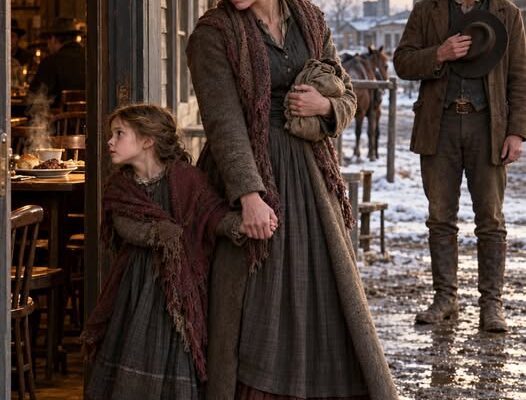
homeless at eighteen, she believed her father left her nothing—until an old brass key led her to the farm he had protected for her
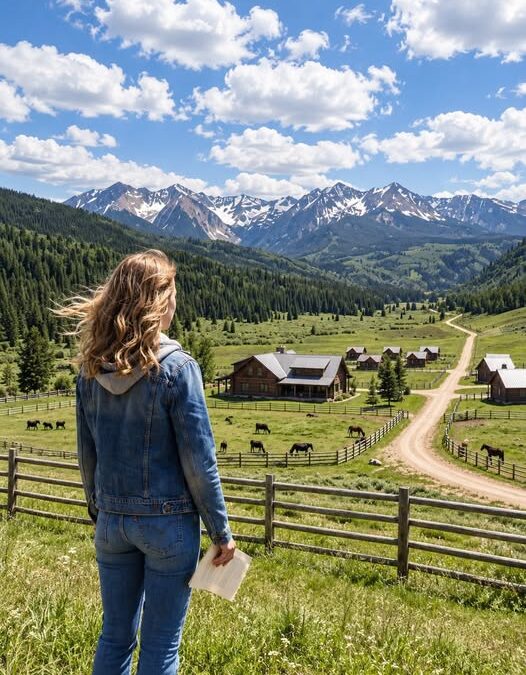
homeless at eighteen, she believed her father left her nothing—until an old brass key led her to the farm he had protected for her
Part 1
The morning Delia Ror became homeless, nobody raised their voice.
That was what she remembered most.
No shouting.
No broken dishes.
No dramatic argument that a neighbor might hear through the wall and remember later.
Sandra stood at the kitchen sink of the rented duplex with a cigarette between two fingers, tapping ash into a chipped coffee cup because the landlord had told her twice not to smoke inside.
She did not look at Delia when she said, “You’re eighteen now.”
Delia stood in the doorway wearing jeans that had gone pale at the knees and a sweatshirt she had owned since sophomore year.
She knew what came next.
She had known for months.
Still, some part of her had kept hoping that knowing something was coming might somehow keep it from arriving.
Sandra took another drag.
“The state check ends this month.”
Delia said nothing.
“I’ve done what I was supposed to do.”
Nothing.
“I fed you. Kept a roof over you. Bought school clothes.”
Sandra finally turned.
There was exhaustion in her face.
Not just cruelty.
That almost made it worse.
“I’m allowed to have my own life.”
Delia swallowed.
“Where am I supposed to go?”
Sandra’s mouth hardened.
“You’re smart.”
“That doesn’t answer me.”
“You’ll figure something out.”
“With what money?”
Sandra looked toward the hallway as though the answer might be hanging beside the coats.
“You want money, ask your father.”
Delia flinched.
Her father had been dead seven years.
Sandra knew that.
She had used him that way before.
Every disagreement eventually found its way back to Elias Ror.
Your father left bills.
Your father gave money away to people who never paid him back.
Your father was good at helping everybody except his own family.
Your father died broke.
Your father left nothing.
At eleven, Delia had cried whenever Sandra said those things.
At fourteen, she argued.
At sixteen, she stopped.
By eighteen, Elias Ror existed in her mind mostly as a collection of accusations.
There were no photographs displayed in the duplex.
No birthday stories.
No old work shirt hanging in a closet.
No family friend arriving at Christmas to tell her she had her father’s eyes.
There was just Sandra’s version.
A foolish man with soft hands for strangers and empty pockets for his family.
Delia had built her understanding of him from the only material anyone gave her.
Disappointment.
Sandra crushed the cigarette into the cup.
“Your garbage bag’s under your bed.”
Delia looked at her.
“You knew?”
“You’ve been packing for a week.”
“I didn’t know if you noticed.”
“I notice more than you think.”
The sentence could have been kind.
It wasn’t.
Delia went to the bedroom that had never quite felt like hers.
A twin bed.
A dresser missing one handle.
A poster taped over a stain in the wall.
Everything she owned fit into one duffel bag and one plastic sack.
She had nineteen dollars.
A charger.
Two pairs of jeans.
Three shirts.
Underwear.
A toothbrush.
Her school certificate.
And a brass key hanging from a leather cord around her neck.
She had worn the key so long that she sometimes forgot it was there.
Her father had given it to her when she was five or six.
She remembered the moment only in fragments.
His hands.
Big hands with scratches across the knuckles.
The smell of sawdust and sun-warmed grass.
A kitchen she could no longer picture clearly.
Elias crouching in front of her and putting the cord around her neck.
“This opens somewhere good, baby.”
She had laughed because adults sometimes said mysterious things when they expected children to be impressed.
“For when you’re grown.”
“What’s it open?”
“You’ll know.”
“When?”
“When you need to.”
She remembered him touching the tip of her nose.
“You hold on to it for me.”
She had.
Through his illness.
Through the funeral.
Through being moved across town.
Through seven birthdays on which Sandra reminded her there wasn’t enough money for anything special.
Through every year in which the memory of his voice became thinner.
Delia picked up her duffel.
She was halfway to the door when Sandra said, “Wait.”
Delia turned.
Sandra disappeared into the hall closet.
When she returned, she carried a shoebox bound with a faded rubber band.
“These were his.”
Delia stared.
“What?”
“Been in there since we moved.”
“Seven years?”
Sandra’s face closed.
“I didn’t want them.”
“Why didn’t you give them to me?”
“You were a kid.”
“I stopped being a kid this morning, apparently.”
Sandra’s jaw tightened.
“Take it or don’t.”
Delia accepted the box.
Sandra opened the door.
That was it.
Eighteen years of belonging somewhere ended with a click of a cheap deadbolt.
Delia stood in the stairwell carrying a duffel bag in one hand and a shoebox in the other while somebody downstairs fried onions.
For several minutes, she did not move.
Then she walked.
The first night she slept on a metal bench outside the downtown bus terminal.
She ran both arms through the straps of her duffel so nobody could take it without waking her.
The October cold came through the bench and settled into her hips.
At three in the morning, a maintenance worker nudged the sole of her shoe.
“You can’t sleep here.”
She sat up.
“Okay.”
“You waiting on a bus?”
“Yes.”
It was easier than saying she was waiting for morning.
“What time?”
She looked toward the departure board.
“Six.”
He studied her.
Delia kept her expression flat.
People left calm girls alone more often than frightened ones.
Finally he said, “Stay awake, then.”
“Okay.”
That became her first rule.
Move before someone makes you move.
The second night, she found a women’s shelter on the east side.
They gave her a cot and a gray blanket worn thin at the edges.
An older woman slept on the next cot with a suitcase held shut by a bungee cord.
Near dawn, the woman leaned toward Delia.
“First time?”
Delia nodded.
The woman glanced at her bag.
“Looped through both arms. Back against the wall. You’re learning quick.”
Delia said nothing.
“You got people?”
“No.”
The word came out without hesitation.
It might have been the truest answer she had given anyone in years.
The woman reached inside her suitcase.
She handed Delia a crushed granola bar.
“Eat slow.”
“I’m okay.”
“Didn’t ask.”
Delia took it.
The woman looked directly at her.
“Whatever put you here, don’t let anybody convince you this is the end of you.”
Delia wanted to laugh.
Instead, she put the granola bar in her coat pocket.
“Thank you.”
For the next two days, she learned how quickly nineteen dollars became almost nothing.
Coffee.
Bread.
One hamburger split between lunch and dinner.
Bus fare when walking would take too long.
She washed in gas-station bathrooms.
She learned which stores had restrooms without codes.
She learned to keep her money in her sock.
She learned that hunger did not always feel like hunger after enough hours.
Sometimes it felt like anger.
Sometimes dizziness.
Sometimes simply cold.
Through everything, her fingers kept finding the brass key.
The shoebox remained unopened.
She carried it everywhere.
She told herself she wanted privacy before opening it.
That was only partly true.
The real reason was fear.
Whatever was in that box was the last unexplored part of her father.
Once she opened it, there would be nothing left to discover.
On the third afternoon, rain began.
Cold autumn rain.
Delia walked into a diner beside the interstate and ordered the cheapest thing that would let her stay.
Coffee.
One dollar and twenty-five cents.
The waitress refilled it twice without asking questions.
Delia sat in the back booth.
Her duffel rested against her leg.
The shoebox sat on the table.
Finally she broke the rubber band.
On top were photographs.
Actual printed photographs, curled slightly with age.
She lifted the first.
A young man sat on a farmhouse porch holding a furious red-faced baby.
He had dark hair and sun-browned arms.
She knew him.
Not because she remembered the photograph.
Because the shape of his eyes matched hers.
Elias.
She turned it over.
Written in pencil:
Delia. Three weeks old. First morning home.
Delia stared at the final word.
Home.
She had no memory of a farmhouse.
The next photograph showed Elias kneeling in a vegetable garden beside an elderly man.
Another showed him with one arm around a thin teenage boy.
The boy looked uncomfortable with the camera.
Elias did not.
There was an old blue-gray dog.
A barn.
Apple trees.
A younger Sandra standing near a pickup truck, smiling in a way Delia had never seen.
Beneath the photographs lay a harmonica.
Delia picked it up.
The metal was tarnished.
One end had been polished dull by years of handling.
For reasons she could not explain, she held it close to her face.
There was almost no smell left.
Almost.
Then she caught it.
Dust.
Metal.
Something faintly sweet.
Sawdust.
Her throat tightened.
At the bottom of the shoebox lay an unopened envelope.
Her name was written on the front.
Miss Delia Ror.
The postmark was six years old.
A law office in a town called Cordell had mailed it when Delia was twelve.
She stared at the sealed edge.
Six years.
Someone had written to her six years earlier.
Someone had reached toward her.
And Sandra had put the reaching into a closet.
Delia tore it open.
The first page was formal.
Estate.
Trust.
Beneficiary.
Transfer upon eighteenth birthday.
Delia read the page twice because the words seemed incapable of staying in their proper order.
Then she reached the line describing the property.
One hundred forty acres.
House.
Barn.
Outbuildings.
Orchard.
Locally known as Bellweather Farm.
Sole beneficiary: Delia Ror.
The letter instructed her to appear with identification and “the key entrusted to her by the settlor.”
Her hand rose automatically to the cord around her neck.
Under the typed page was a handwritten note.
Baby girl,
If you’re reading this yourself, then you made it to grown.
I’m sorry I didn’t.
Delia stopped breathing.
She read on.
Her father wrote that people might tell her he had left nothing.
He asked her to let them think it.
He had arranged things deliberately.
Money could disappear.
Accounts could be drained.
Property could be sold by adults claiming necessity.
So he had put the farm in trust where nobody could touch it until Delia turned eighteen.
He told her to bring the key.
He told her she would know what it opened.
And near the bottom he wrote that he loved her more than all one hundred forty acres of Bellweather Farm.
Delia read the letter four times.
The waitress approached with the coffee pot, saw her face, and quietly turned away.
Delia did not cry.
Crying was too small for what she felt.
For seven years, she had believed she came from a man who left nothing.
Now she held proof that there had been another story.
A farm.
A key.
A secret protected for her.
Perhaps it was worthless.
Perhaps the house had collapsed.
Perhaps there were unpaid taxes.
Perhaps the land had been swallowed by weeds.
Hope could be expensive.
Delia knew that better than most people her age.
She took the money from her sock.
Seventeen dollars and some coins remained.
A bus ticket to Cordell cost fourteen.
It would leave her almost nothing.
No return fare.
No safety.
No plan.
She looked at the photograph of Elias holding her on the porch.
First morning home.
Then she looked at the key.
“Okay,” she whispered.
She was not sure whether she was talking to herself or to a dead man.
“I’ll come see.”
The next morning, Delia spent fourteen dollars on a one-way bus ticket.
She climbed aboard carrying everything she owned.
She did not know whether she was traveling toward an inheritance or one final disappointment.
But for the first time since Sandra locked the duplex door behind her, she was traveling toward something.
Part 2
The farther the bus traveled from the city, the more the world opened.
Strip malls gave way to soybean fields.
Traffic disappeared.
Old barns stood alone beneath a gray October sky.
Delia sat near the back with her father’s letter folded in her coat pocket.
She did not allow herself to imagine the farm.
Every time an image started forming—a porch, a warm kitchen, apple trees—she pushed it away.
Expect nothing.
That had kept her safe before.
Cordell turned out to be barely a town.
Three main streets.
A grain elevator.
Two churches.
A hardware store.
A feed store with a hand-painted sign.
The bus stopped beside a cracked sidewalk shortly after noon.
Delia stepped off.
The driver closed the door.
The bus disappeared.
Silence returned.
She had three dollars and change.
A duffel bag.
A shoebox.
And a town in which nobody knew she existed.
Then she noticed a gray-haired woman sweeping the steps outside the feed store.
Delia crossed the street.
“Excuse me?”
The woman looked up.
“Can I help you?”
“I’m trying to find a farm.”
“That describes half the county.”
“Bellweather Farm.”
The broom stopped.
Delia continued.
“It belonged to Elias Ror.”
The woman stared at her.
Her eyes moved from Delia’s face to the leather cord around her neck.
The broom slipped from her hand.
“Oh, Lord.”
Delia took a step backward.
The woman came toward her.
“You’re his girl.”
Delia’s throat tightened.
“What?”
“Elias’s girl.”
The woman’s eyes filled immediately.
“You’ve got his jaw. Lord help me, you’ve got his eyes too.”
She caught Delia gently by both shoulders.
Then seemed to realize what she was doing and released her.
“Forgive me. You don’t know me.”
“No.”
“Odessa Webb.”
She bent and picked up Delia’s duffel.
“Come inside.”
“I can carry—”
“I know you can.”
“I don’t have money for—”
“Did I ask?”
Inside the feed store, shelves of seed packets and livestock supplies occupied the front half.
At the back stood a small counter with four stools, a griddle, and a coffee machine.
Odessa turned on the grill.
“What are you doing?”
“Feeding you.”
“I ate.”
“When?”
Delia hesitated.
Odessa pointed at a stool.
“Sit.”
Five minutes later, eggs, bacon, toast, and fried potatoes sat in front of her.
Delia tried to eat slowly.
She failed.
Odessa turned away and wiped a spotless section of counter while Delia finished.
When the plate was empty, Odessa poured coffee.
“Now,” she said. “Tell me what you know.”
“About what?”
“Your father.”
Delia stared into the cup.
“He died when I was eleven.”
“I know.”
“They said he didn’t leave anything.”
Odessa’s mouth tightened.
“Who said?”
“My stepmother.”
“Anything else?”
“He was bad with money. Helped people who used him. Died in debt.”
Odessa looked toward the window.
“He did help people.”
“So that part’s true.”
“Depends what you think helping is worth.”
Delia waited.
Odessa leaned her elbows on the counter.
“The winter my husband died, an ice storm dropped a maple tree through my roof. I had insurance that found six reasons not to pay me. I had twelve hundred dollars in the bank and a funeral bill bigger than that.”
Her voice softened.
“Your daddy arrived Tuesday morning with lumber and a ladder.”
“He fixed it?”
“Two days in weather cold enough to freeze nails to your glove.”
“Did you pay him?”
“Tried.”
“What happened?”
“He ate a slice of pie and told me we were even.”
Delia looked down.
Odessa continued.
“That man repaired roofs, tractors, fences, busted furnaces. He helped old farmers bring in hay. He drove people to doctors. He gave work to boys other men called trouble.”
“Boys?”
Odessa paused.
“You’ll understand when you get there.”
“Get where?”
“Bellweather.”
Delia studied her.
“Is it real?”
Odessa’s expression changed.
“Yes.”
“The house?”
“Yes.”
“The land?”
“Yes.”
“Is it abandoned?”
“No.”
The answer struck Delia like a hand.
“No?”
“Booker lives there.”
“Who is Booker?”
Odessa untied her apron.
“I’m driving you.”
“You don’t have to.”
“You have five miles of county road between here and that farm, and you look like a hard breeze would put you in a ditch.”
“I’m fine.”
“Young people always say that when they’re absolutely not fine.”
Odessa flipped the sign on the door to CLOSED.
Her truck was old enough that Delia had to lift the passenger door to make it latch.
They drove beyond town.
After two miles, Odessa said, “Your daddy grew up at Bellweather.”
Delia watched the fields pass.
“Why wasn’t I raised there?”
“That answer isn’t mine.”
“Does everyone keep saying that around here?”
“Probably.”
“It’s irritating.”
“I expect it is.”
Another mile.
“Your father believed the world was too quick to throw people away.”
Delia looked over.
“What does that mean?”
“He’d find somebody everyone had given up on and bring them home.”
“Those boys?”
“Some.”
“What was he running?”
“A farm.”
“That isn’t what I asked.”
Odessa smiled slightly.
“No. It isn’t.”
The pavement became gravel.
A creek appeared beside the road.
They rounded a bend and reached a mailbox mounted on a cedar post.
Above it hung a weathered wooden sign.
BELLWEATHER FARM.
Delia’s heart began hammering.
Odessa turned into the lane and stopped.
The farmhouse could not yet be seen.
“You’re stopping?”
“You walk from here.”
“Why?”
“Because your father wanted you to arrive.”
“That doesn’t make any sense.”
“It will.”
Delia looked up the lane.
“What if Booker doesn’t want me here?”
Odessa’s eyes softened.
“Honey, that man has been waiting six years for you.”
Delia stared.
“Take your key.”
She climbed out.
Odessa squeezed her hand once.
“I’ll stay until I know you made it.”
Delia started walking.
The lane curved through bare trees.
Wet leaves stuck to her shoes.
She smelled wood smoke.
Then the land opened.
A white farmhouse stood beyond the trees.
Smoke rose from the chimney.
A red barn sat behind it.
Light glowed from an open barn door.
Chickens scratched near a fence.
A goat stood on a stump.
Firewood had been stacked in perfect rows along one wall.
The farm was alive.
Delia stopped.
Someone lived here.
Someone had spent years living in the place supposedly left to her.
A familiar feeling dropped into her stomach.
Of course.
She had misunderstood.
Hope had tricked her.
The land probably belonged to somebody else now.
Perhaps Booker had purchased it.
Perhaps the trust failed.
Perhaps—
A dog barked once.
Delia turned.
An old blue-gray dog came down the porch steps.
His back leg dragged slightly.
She recognized him.
The photograph.
Older now.
Much older.
“Hey.”
The dog approached.
Delia held out a hand cautiously.
He sniffed.
Then something extraordinary happened.
The animal made a thin crying sound.
He pushed his head into her hands.
His entire body shook.
His tail struck the ground so hard that his hips swung.
Delia dropped to her knees.
“What is it?”
The dog pressed against her.
His nose found the brass key.
He smelled the leather cord.
The crying became louder.
“Bishop?”
A man’s voice came from the porch.
Delia looked up.
An elderly man stood there in a canvas coat.
White hair.
Weathered face.
A shotgun hung loosely beside his leg.
He stared at the dog.
Then at Delia.
Then at the key.
“Can I help you?”
Delia stood.
Words failed.
Instead, she took the leather cord from around her neck.
She held out the brass key.
The man’s face collapsed.
The shotgun lowered.
He gripped the railing.
“You came.”
Delia did not understand.
His eyes filled.
“My God.”
He descended two steps and sat heavily on the third.
“You actually came.”
“You’re Booker?”
He laughed through tears.
“I’m Booker.”
“I didn’t know someone lived here.”
“He told me you would.”
“Who?”
“Your daddy.”
Booker wiped his face.
“Every year. Right up near the end. ‘Keep it for her, Booker. She’ll come when she’s grown.’”
His voice broke.
“I’ve kept that porch light burning six years.”
Delia looked at the house.
Six years.
“You knew about me?”
“Knew?”
Booker stared.
“Girl, half the county knew about you.”
“Then why didn’t anybody come get me?”
The hurt came out harder than she intended.
Booker’s face changed.
“That part needs a kitchen table.”
He stood slowly.
Bishop remained pressed against Delia’s leg.
Booker gestured toward the house.
“Come inside.”
The warmth nearly undid her.
A fire burned in a stone fireplace.
A kettle sat on the stove.
Braided rugs covered the floors.
Boots stood neatly beside the back door.
Nothing smelled abandoned.
Nothing felt forgotten.
Booker pointed toward the stairs.
“Bishop wants to show you something.”
The dog climbed slowly.
Delia followed.
At the end of the upstairs hall stood a small room painted pale green.
A rocking chair sat beside the window.
A dismantled crib rested against one wall.
Children’s books lined a shelf.
On the windowsill stood a photograph.
Delia lifted it.
Elias sat on the porch holding a baby wrapped in yellow.
This time he was not looking at the camera.
He was looking at the child.
Delia.
Her father’s entire face seemed softened by the weight in his arms.
Written along the frame:
Delia. First morning home.
She sat in the rocking chair.
This room.
This house.
She had been here.
She had slept here.
Once, before everything she remembered, she had belonged somewhere completely.
Bishop lowered his head onto her knee.
Delia touched the photograph.
All her life, she had imagined abandonment beginning at birth.
Instead, her story had begun in a warm green room with a father who looked at her as if nothing else existed.
Whatever went wrong came later.
That mattered.
Downstairs, Booker waited beside a wooden box.
“I never opened this,” he said.
“Why?”
“Wasn’t mine.”
Inside were letters.
Dozens.
One for every birthday Elias expected to miss.
Beneath them lay a thick ledger.
Delia opened it.
On the first page, her father had written:
Everyone who came through Bellweather and left better than they arrived.
Below it:
Delia. Born here.
Then came names.
Booker.
Raina.
Thomas.
Eddie.
Claire.
Michael and Jenny.
Beside each name were brief notes.
Arrived hungry.
Stayed one winter.
Went to nursing school.
Joined the Army.
Went home when home became safe again.
Didn’t make it. God keep him.
Delia looked at Booker.
“What is this?”
Booker sat across from her.
“Your father took in kids.”
“What kids?”
“Ones nobody wanted.”
The room seemed to narrow.
“Foster kids?”
“Sometimes.”
“Runaways?”
“Yes.”
“Homeless kids?”
“Yes.”
“Teenagers?”
“Mostly.”
Booker tapped the ledger.
“I was sixteen when he found me sleeping inside the grain elevator.”
Delia looked at him.
“You?”
“Half-starved. Angry at everybody. Thought I was tough because I’d learned not to need anybody.”
“What did he do?”
“Brought me here.”
“That simple?”
“No.”
Booker smiled sadly.
“Nothing involving a sixteen-year-old boy is simple.”
Despite herself, Delia smiled.
“He fed me. Put me to work. Gave me a room. Taught me carpentry. Never asked me to be grateful.”
Booker’s eyes moved to the ledger.
“Then another kid came.”
“And another?”
“Years of them.”
Delia looked at her name at the top.
A terrible thought formed.
“If he saved all these people, why didn’t he save me?”
Booker closed his eyes.
There it was.
The question.
He reached into the bundle of letters and selected one.
“Because he was dying.”
Delia froze.
“Read.”
Her father’s letter had been written the summer she turned ten.
He explained his diagnosis.
He had perhaps a year.
Maybe less.
Medical bills were growing.
Sandra wanted nothing to do with Bellweather.
If Elias died owning the farm normally, creditors could take it.
Sandra could sell it.
Lawyers could fight over it.
So Elias had done something deliberately painful.
He placed Bellweather into a protected trust for Delia.
He made himself appear nearly penniless everywhere else.
People would say he left nothing.
That was the cost.
Money could be spent.
The farm could not be touched until she was eighteen.
Booker would keep it alive.
Delia read one sentence twice.
They’ll say I left you nothing. Let them. It is the price of leaving you everything.
She lowered the paper.
“He knew.”
Booker nodded.
“He knew what Sandra would tell me.”
“He suspected.”
“And he let me believe it.”
“He hated that.”
“Then why didn’t he explain?”
“You were ten. Then eleven. There were custody problems, medical problems, lawyers. After he died, that letter was supposed to reach you.”
Delia stared toward the wooden box.
“It did.”
Booker understood.
“Somebody kept it from you.”
“Yes.”
Silence filled the kitchen.
Finally Booker said, “Your daddy could save other people’s children because nobody fought him for them.”
Delia looked up.
“He couldn’t save his own from a legal system and a dying body at the same time.”
Her anger did not disappear.
Neither did the hurt.
But another feeling entered beside them.
Understanding.
It was not forgiveness.
Not yet.
It was the recognition that Elias Ror had not forgotten her.
He had been fighting from a distance she had never known existed.
Delia pressed the letter flat with both hands.
Booker watched her.
“You should sleep.”
“I’m not tired.”
“You look like you haven’t slept since September.”
“I’m fine.”
Booker smiled.
“That lie runs in your family.”
He pointed toward the ceiling.
“Green room’s ready.”
“Ready?”
“Sheets changed every week.”
Delia stared.
“You kept a bedroom ready for six years?”
“I promised.”
That night, she slept beneath the quilt from the photograph.
Bishop lay outside her door.
For the first time in days, nobody told her to move.
Part 3
In the morning, Booker told her the farm was three weeks away from being lost.
He made eggs first.
That seemed important to him.
Bad news, apparently, should not be delivered to an empty stomach.
Delia sat at the kitchen table wearing one of Elias’s old flannel shirts over her own clothes.
Booker poured coffee.
“There’s eleven thousand dollars owed in property taxes and penalties.”
Delia stopped chewing.
“What?”
“The trust had enough money for taxes for a while.”
“How long?”
“Few years.”
“What happened?”
“It ran out.”
“And then?”
“I paid.”
“You?”
“As much as I could.”
“Why?”
Booker looked mildly offended.
“Because somebody had to.”
“You spent your money keeping my farm?”
“Your daddy spent years keeping me alive. I figured I could cover a tax bill.”
“Eleven thousand dollars isn’t a tax bill.”
“No.”
“It’s a disaster.”
“That too.”
Delia set down her fork.
“What happens if we don’t pay?”
“County sale.”
“When?”
“Third week of next month.”
She stared through the window.
The orchard stood beyond the barn.
Yesterday it had looked like inheritance.
Today it looked like something already disappearing.
“Can we sell part?”
“Yes.”
Booker’s answer was immediate.
Delia looked back.
“But you don’t want to.”
“Doesn’t matter what I want.”
“What would my father do?”
Booker was silent.
“That isn’t fair.”
“Why?”
“Because you know what answer I’m going to give.”
“Tell me anyway.”
“He’d fight.”
Delia nodded.
“Then we fight.”
“There’s something else.”
She exhaled.
“Of course there is.”
“My heart.”
Booker’s eyes lowered.
“Valve’s failing.”
“How bad?”
“Bad enough the doctor uses words like ‘manage’ instead of ‘fix.’”
“You need surgery.”
“I need money.”
“So does the farm.”
“That’s my point.”
Delia stood and walked toward the window.
Yesterday she had been homeless with three dollars.
Today she owned one hundred forty acres, owed eleven thousand dollars, and had inherited an old man with a failing heart.
Strangely, she felt steadier.
She had spent most of her life receiving bad news with nothing good attached.
At least this hardship was honest.
At least it came with land beneath her feet.
“Show me everything,” she said.
Booker frowned.
“Everything what?”
“The farm.”
“You just got here.”
“And the sale is in three weeks.”
He studied her.
Then nodded.
“All right.”
They started with the barn.
Two stalls needed boards replaced.
The west fence sagged.
The pump worked but complained loudly enough that Booker said it had “a sermon in it.”
The tractor ran if spoken to kindly and threatened with violence in equal measure.
There were goats, chickens, an old mare, and Bishop.
Then came the orchard.
Thirty-eight apple trees stood in rows beyond the barn.
Their branches were heavy with late fruit.
Delia stopped.
“Those are ours?”
“Yours.”
“How much are the apples worth?”
Booker looked toward her.
“Not eleven thousand dollars.”
“I didn’t ask that.”
A faint smile.
“Maybe you are Elias’s girl.”
“Tell me.”
“Couple thousand if we move them fast.”
“We start today.”
Booker laughed.
“What?”
“You don’t know anything about picking apples.”
“I know they come off the tree.”
“That’s your qualification?”
“It’s enough to begin.”
For the next six hours, she worked.
Her shoulders burned.
Her palms blistered.
She tore one knee of her jeans climbing a ladder.
And she discovered something strange.
Work on Bellweather did not feel like punishment.
Every basket filled meant the farm was still hers for another minute.
Near sunset, an unfamiliar car came up the lane.
Bishop growled.
Delia climbed down.
Sandra stepped from the driver’s seat.
For one second, Delia became fourteen again.
Then she remembered she was standing on her own land.
“What are you doing here?”
Sandra looked past her.
The farmhouse.
Barn.
Orchard.
She was calculating.
“I called the lawyer.”
“Why?”
“You disappeared.”
“You put me out.”
“I still had a right to know where you went.”
“No. You didn’t.”
Sandra flinched.
Then hardened.
“He said you claimed some trust.”
“I didn’t claim it. It exists.”
“I was married to your father.”
Booker appeared on the porch.
Sandra noticed him.
“So?”
“If Elias owned this place—”
“He didn’t.”
“What?”
“He put it in trust for me.”
Sandra looked around again.
“I raised you.”
Delia almost laughed.
“That’s your argument?”
“I spent years taking care of you.”
“The state paid you.”
“Not enough.”
“So you came for money.”
Sandra’s cheeks reddened.
“I came because if Elias secretly had property while I was drowning in bills, I’m owed an explanation.”
Delia considered shouting.
Instead she said, “Come inside.”
At the kitchen table, she placed the tax notice in front of Sandra.
Eleven thousand dollars.
Then the trust papers.
Then Elias’s ledger.
“There,” Delia said. “That’s my inheritance.”
Sandra read the tax notice.
Her expression changed.
“There isn’t money?”
“No.”
“You could sell.”
“No.”
“You’re eighteen.”
“I know.”
“You don’t know how to run a farm.”
“No.”
“You have no job.”
“I know.”
“Then be sensible.”
Delia leaned forward.
“You mean turn it into cash.”
“Yes.”
“Like Dad said you would.”
Sandra froze.
Delia placed Elias’s letter before her.
“Read.”
Sandra did.
Delia knew when she reached the paragraph about her.
Elias had not called Sandra cruel.
He had called her tired.
A woman who never wanted a farm.
A woman who had been handed a sick husband and another responsibility she did not want.
Sandra’s hands began trembling.
“He defended you,” Delia said.
Sandra said nothing.
“He had every reason not to.”
Still nothing.
“You hid this from me.”
Sandra looked up.
“Yes.”
The simple answer hurt more than denial would have.
“Why?”
“I told myself it was another bill.”
“You didn’t open it?”
“I knew.”
“How?”
Sandra stared at the envelope.
“I just knew.”
She covered her mouth.
“I was angry at him.”
“For dying?”
“For everything.”
Her voice rose.
“For being everybody’s hero. For fixing Odessa’s roof while ours leaked. For bringing home boys who stole food and broke windows and needed everything. For promising that this farm mattered while bills piled up.”
“He was sick.”
“I know that now.”
“You knew then.”
“I was tired!”
The word filled the kitchen.
Booker remained silent beside the stove.
Sandra breathed hard.
Then the anger left her shoulders.
“I was tired,” she repeated.
Quieter.
“And I hated him because he could still be kind.”
Delia stared.
Sandra’s eyes filled.
“I couldn’t.”
The confession seemed to age her.
“He died and somehow everybody still loved him. You still wanted him. Even when you barely remembered him.”
“I was his daughter.”
“I know.”
Sandra pressed her hands flat against the table.
“I looked at that lawyer’s envelope and thought, of course. One more thing Elias arranged. One more way he gets to reach into the future and be good while I’m still here doing the ugly work.”
“You let me believe he abandoned me.”
“Yes.”
“Six years.”
“Yes.”
“Why?”
Sandra cried then.
Not gracefully.
Not in a way that made Delia want to comfort her.
“I was jealous of a dead man.”
The room went silent.
Sandra wiped her face.
“There. That’s your answer.”
She opened her purse.
Another envelope came out.
“He wrote me this.”
“Did you read it?”
“First line.”
“And?”
“He asked me to be good to you.”
Sandra laughed bitterly.
“He asked kindly.”
She slid the envelope toward Delia.
“I hated him for that too.”
She stood.
At the door, she stopped.
“I came here thinking maybe you’d inherited money.”
Delia said nothing.
“There isn’t any.”
“No.”
“And I don’t want anything now.”
Sandra looked at Delia carefully.
“You always forget to eat when you’re scared.”
Then she left.
Delia stood at the window watching the car disappear.
She had imagined an apology from Sandra many times.
In those fantasies, apologies felt victorious.
They did not.
The truth simply made the past clearer.
Clear did not mean painless.
Booker finally spoke.
“You all right?”
“No.”
“Good answer.”
Delia turned.
“I’m not selling.”
“I know.”
“She was right about one thing.”
“What?”
“I don’t know how to run this farm.”
“No.”
“I don’t know how to make eleven thousand dollars.”
“No.”
“I have eighteen days.”
“Yes.”
She stared at him.
“You’re extremely encouraging.”
“I’m old. Saves time.”
Delia laughed despite herself.
Then she looked toward the ledger.
“All these people.”
Booker followed her eyes.
“What about them?”
“Where are they?”
“Everywhere.”
“Do they know the farm’s in trouble?”
“No.”
“Why?”
“Because I didn’t want to beg.”
Delia thought about the woman at the shelter giving her a granola bar.
Odessa feeding her before asking questions.
Her father fixing roofs.
“What did Dad teach everybody here?”
Booker understood first.
A smile slowly appeared.
“He taught them how to show up.”
“Then maybe it’s time we let them.”
Odessa began making telephone calls that afternoon.
The first person arrived the next day.
Raina Mercer.
Thirty years old.
Nurse.
She stepped from a pickup still wearing hospital scrubs beneath her coat.
Delia was halfway up a ladder.
“You Delia?”
“Yes.”
Raina laughed and cried at the same time.
“You look exactly like him.”
Delia climbed down.
Raina hugged her before asking permission, caught herself, and stepped away.
“Sorry.”
“It’s okay.”
“Odessa told me about the taxes.”
“We’re trying to save it.”
Raina looked toward the farmhouse.
“This place saved me.”
She removed her coat.
“What needs doing?”
By the end of the week, more came.
A former Army sergeant.
A schoolteacher.
A mechanic and his sister.
A carpenter.
A woman who drove four hours with three children and a box of old photographs.
They had all lived at Bellweather.
Some for months.
Some for years.
Not one spoke of Elias as though he had rescued them.
That surprised Delia.
“He hated that word,” Raina explained.
“Why?”
“Made him sound important.”
“Wasn’t he?”
“To us.”
Raina handed Delia another basket.
“He said helping somebody wasn’t a loan.”
“Meaning?”
“You don’t pay it backward.”
Raina pointed toward the people working beneath the apple trees.
“You pay it forward.”
They picked every usable apple.
Odessa sold them at the feed store.
A cider company bought several truckloads.
The mechanics repaired vehicles after hours and donated the labor money.
A church placed a jar beside the coffee.
By four days before the tax deadline, they had raised eight thousand and sixty-three dollars.
They were nearly three thousand short.
That night, everyone left quietly.
Delia remained on the porch.
Bishop leaned against her leg.
She pressed her face into his fur.
“I knew it.”
The dog sighed.
“I knew wanting this was stupid.”
Another sigh.
“I was fine when I thought I had nothing.”
That was a lie.
She had not been fine.
She had merely been practiced at losing.
There was a difference.
Delia looked through the kitchen window.
Her father’s ledger sat on the table.
Tomorrow she could protect herself.
She could sell.
Take whatever remained.
Leave before Bellweather became another place that rejected her.
Or she could do the one thing she had spent her entire childhood avoiding.
Ask for help.
Out loud.
Where everyone could hear.
The next morning, she went to the county tax office.
Part 4
Delia had never been comfortable asking for anything.
Not food.
Not rides.
Not money.
Not affection.
Needing things gave other people power.
She had learned that early.
But she stood at the county counter with Raina beside her and told the clerk everything.
Her father.
The trust.
Booker.
The unpaid taxes.
The teenagers Elias had taken in.
The orchard.
Eight thousand dollars.
Three thousand still missing.
The tax sale scheduled in four days.
When Delia finished, the clerk removed her glasses.
“I knew Elias.”
Delia had begun to expect those words in Cordell.
Everyone seemed to have known a version of her father she had been denied.
The clerk continued.
“Twenty years ago, a farmer named Harold Miller was about to lose eighty acres over taxes.”
Raina listened quietly.
“Your father came in and paid them.”
Delia stared.
“He did what?”
“Cash.”
“How much?”
“Enough.”
“Why?”
“Wouldn’t tell me.”
The clerk smiled.
“He made me promise not to tell Harold.”
“Did Harold ever know?”
“Not from me.”
She put her glasses back on.
“There’s a hardship extension.”
Delia straightened.
“How long?”
“Nine days.”
“Can you give it to me?”
“I can file it.”
“Please.”
The word felt strange in her mouth.
But she said it.
The clerk nodded.
“Nine days.”
Nine days was not three thousand dollars.
It was time.
And time, Delia had discovered, was sometimes the only bridge between impossible and done.
Raina contacted the county newspaper.
Delia resisted.
“I don’t want everybody knowing.”
“They already know half of it.”
“I don’t want pity.”
“Neither did your father.”
“What does that mean?”
“He never wanted anyone to know when he helped somebody.”
“Then why publish this?”
“Because keeping Bellweather alive isn’t just about you.”
Delia looked toward the barn.
Raina said, “This place belongs to a lot of memories.”
The newspaper ran the story.
A photograph showed Delia standing beneath Elias’s apple trees.
The headline described a farm that had sheltered unwanted teenagers for decades and now faced being sold for taxes.
The donations came slowly.
Forty dollars from a man who had slept in Bellweather’s barn during the winter of 1998.
Twenty-five from a woman in another state.
A hundred from someone whose note said only:
Elias fed me when nobody else did.
A retired teacher sent fifty.
The cider company paid more than expected for the final apples.
Odessa’s coffee jar filled with coins.
Then emptied.
Then filled again.
One afternoon an envelope arrived without a return address.
Inside were eighty dollars.
Delia recognized the handwriting.
Toward the taxes.
From somebody who owes more than this.
Sandra.
Delia held the note for a long time.
Then she put the money into the jar.
No forgiveness ceremony.
No telephone call.
Just eighty dollars added to the total.
Sometimes reconciliation began so quietly nobody could be certain it had begun.
The night before the deadline, Bellweather’s kitchen filled.
The former foster kids gathered around Elias’s table.
Odessa brought casseroles.
Children ran through the hallway.
Bishop stationed himself in the doorway.
Booker sat at the head of the table.
His face looked thinner.
His breathing had worsened.
They counted everything.
Bills.
Checks.
Coins.
A coffee can full of quarters.
Raina kept the total.
Nobody spoke while she added the final column.
Then she looked up.
“We have it.”
Delia did not understand.
“All?”
“Eleven thousand, four hundred sixteen.”
For several seconds, no one reacted.
Then Booker laughed.
Not loudly.
Just one rough laugh.
He lifted his water glass.
“Elias would’ve liked this racket.”
That was his toast.
The next morning, Delia carried the money into the courthouse.
Across the lobby stood a man wearing an expensive coat.
A leather folder rested under his arm.
Booker had warned her about him.
A representative of the company purchasing farmland throughout the valley.
He was waiting for the tax sale.
Delia walked past him.
At the counter, she handed over the money.
The clerk counted.
Stamped.
Signed.
Then slid the receipt across.
“Bellweather Farm is clear.”
Delia picked up the paper.
“Completely?”
“County has no claim.”
“They can’t auction it?”
“No.”
She looked at the man across the lobby.
He understood.
He closed his folder.
Placed his checkbook into his coat.
And walked away.
Delia expected celebration.
Instead she felt almost unbearably tired.
She pressed the receipt against her chest.
For once in her life, something she loved had not been taken.
When they returned to Bellweather, Booker waited on the porch wrapped in a blanket.
His doctor had forbidden the trip.
He stood when Delia climbed from the truck.
His legs trembled.
She hurried toward him.
“It’s done.”
Booker’s face changed.
“Paid?”
“All of it.”
He sat down hard.
“They can’t take it,” Delia said. “It’s ours.”
Booker covered his face.
A long breath escaped him.
Not a sob exactly.
Something older.
The release of a promise carried too long.
Delia sat beside him.
Bishop pushed between their knees.
For several minutes, the three remained there.
Finally Delia said, “Come inside.”
Booker laughed weakly.
“That’s what I said to you.”
“I know.”
“Cold doesn’t bother me.”
“You have a bad heart.”
“My heart’s fine today.”
She looked at him.
“First night in years,” he whispered, “I won’t lie awake doing arithmetic.”
Winter came hard.
Bellweather survived it.
Delia learned to split wood.
She learned the difference between hay that had merely gotten damp and hay dangerous enough to mold.
She learned how to thaw a frozen pipe without setting a wall on fire.
She learned chickens were far less charming than photographs suggested.
She learned Bishop could hear the refrigerator open from anywhere on the property.
She learned Booker knew exactly how to repair almost anything but could not be convinced to throw away a bent nail.
By spring, her body had changed.
Her arms strengthened.
Her face filled out.
The frightened, underfed girl from the bus terminal disappeared slowly.
Not completely.
Some parts remained.
But she stood differently.
Like the ground beneath her was permitted to hold her.
People continued coming to Bellweather on weekends.
The mechanic repaired fence gates.
Raina organized volunteers.
Odessa fed everybody from the tailgate of her truck and called it “Sunday service,” despite rarely attending church.
Booker taught Delia everything he could.
He showed her cedar fence posts that could survive decades and pine ones that would rot sooner.
He made her listen to the water pump.
“What am I listening for?”
“Complaint.”
“It always sounds terrible.”
“Different terrible.”
“That’s not useful.”
“It will be.”
Two months later the bearing started failing.
Delia heard it before Booker did.
She ran into the kitchen.
“The pump sounds different.”
Booker smiled.
“Now you’re listening.”
He gave her Elias’s tools gradually.
A hand plane first.
Then chisels.
Then a sharpening stone.
“Why not give me the whole box?”
“Because then you’d think owning tools means knowing them.”
He taught her how to sharpen a blade.
“Dull tools hurt people.”
“That’s backwards.”
“No.”
He guided her hand across the stone.
“Sharp tool tells the truth about what it can do. Dull one makes you force it.”
Delia looked at him.
“You always turn farm lessons into life lessons?”
“Your daddy did.”
“So that’s where you got annoying.”
“Exactly.”
They pruned the orchard together.
Booker could no longer lift his arms for long.
Delia handled the loppers.
“You’re cutting too timid.”
“I don’t want to kill the tree.”
“You won’t.”
“That branch has apples.”
“Had apples.”
“It might again.”
Booker shook his head.
“Can’t be sentimental with fruit trees.”
Delia stopped.
“Meaning?”
“Dead wood steals strength from living wood.”
He pointed.
“Cut what’s finished so the rest gets light.”
Delia clipped the branch.
Booker watched it fall.
“Your father thought people were like that too.”
“How?”
“He never asked what was wrong with a kid when they arrived.”
“What did he ask?”
“What’s still alive?”
Delia lowered the loppers.
She looked toward the farmhouse.
Toward the green bedroom.
Toward the barn where the names in Elias’s ledger had once slept.
“There are kids like me out there.”
Booker did not answer.
“Right now.”
“Yes.”
“Kids turning eighteen.”
“Yes.”
“Getting put out.”
“Yes.”
“Sleeping in stations.”
Booker watched her.
Delia’s voice became quieter.
“I know what that bench feels like.”
“Yes.”
She looked at Bellweather.
“I want to reopen it.”
Booker’s eyes filled.
“Not just the farm.”
“I know.”
“The other thing.”
“I know.”
“I want kids to come here.”
Booker nodded toward the house.
“Then get your daddy’s ledger.”
“Why?”
“There’s still blank paper.”
Making Bellweather legal took months.
There were inspections.
Forms.
Fire-code requirements.
Background checks.
Meetings.
A retired social worker who had once lived at Bellweather helped Delia navigate the county system.
Raina used her hospital connections.
The former Army sergeant handled paperwork with military aggression.
They repaired the upstairs rooms.
Installed smoke detectors.
Added another bathroom.
Converted the bunk space over the barn.
The farm became what Elias had always operated informally.
A licensed transitional home for older teenagers and young adults with nowhere stable to go.
Odessa placed a donation jar at the feed store.
People kept it filled.
Delia worked mornings there for extra money.
Farmers who had once stared at the unfamiliar thin girl now greeted her by name.
“How’s Booker?”
“Complaining.”
“Then he’s alive.”
One elderly customer handed her twenty dollars.
“What’s this?”
“Your father helped my grandson twenty-five years ago.”
“You don’t owe us.”
“I know.”
“Then keep it.”
The man closed her fingers around the bill.
“I’m not paying him back.”
He nodded toward the farm donation jar.
“I’m paying it forward.”
He walked away.
Delia looked at the twenty dollars.
At that moment she finally understood the true size of what Elias had left.
One hundred forty acres could be surveyed.
The house could be priced.
The orchard could be valued.
The barn could be insured.
But there was another inheritance spread across the county.
Kindness her father had planted in people.
It had been growing while she was away.
Part 5
The first teenager came to Bellweather almost one year after Delia did.
A county car turned into the lane on a September afternoon.
Delia saw it from the garden.
Her hands were muddy.
She wiped them on her jeans and walked down before the car reached the house.
She remembered arriving alone.
She remembered wondering whether Booker would send her away.
Nobody coming to Bellweather should have to walk the final distance without seeing a friendly face.
The boy who climbed from the back seat was sixteen.
Thin.
Sharp shoulders.
Hard eyes.
A garbage bag held his clothes.
He studied the farmhouse without expression.
Delia recognized that expression immediately.
Do not want it.
If you do not want it, losing it cannot hurt.
The social worker introduced him.
“Marcus.”
Delia nodded.
“I’m Delia.”
He looked toward the barn.
“How long do I gotta stay?”
“As long as the arrangement says.”
“What do I gotta do?”
“Today?”
“Yeah.”
“Eat.”
He frowned.
“What?”
“Odessa made chicken.”
“I’m not hungry.”
“Okay.”
His stomach growled loudly enough that the social worker looked away.
Delia remembered Odessa doing the same for her.
She did not smile.
“Come on.”
Marcus did not move.
“What’s the catch?”
There it was.
The question beneath all the other questions.
Delia looked at the garbage bag.
Then at his face.
“No catch.”
“Everybody says that.”
“I know.”
“You take my phone?”
“No.”
“Search my stuff?”
“County rules say we inventory some things. We do it with you.”
“I gotta work?”
“Everybody who lives here helps.”
“How much?”
“Enough that nobody leaves dishes in the sink.”
His expression shifted slightly.
Delia gestured toward the house.
“First we eat.”
Marcus looked suspicious.
Then followed.
Bishop came down the porch steps.
He was ancient now.
His muzzle had gone almost entirely white.
He walked directly to Marcus.
The boy stiffened.
“Does he bite?”
“Only sandwiches.”
Bishop leaned against his leg.
Marcus looked down.
His shoulders dropped half an inch.
Delia had to turn away.
A year earlier, that dog had done exactly the same thing for her.
At supper, Marcus ate quickly.
One arm curved around his plate.
Nobody commented.
Half the adults at the table had once eaten like that.
Booker watched from his chair near the fireplace.
His health had declined sharply through summer.
He was too weak for fieldwork.
Some days, walking from one room to another exhausted him.
But his eyes remained alert.
After supper, Marcus carried his plate to the sink.
“What chores do I owe?”
Delia leaned against the counter.
“For dinner?”
“Yeah.”
“Breakfast dishes.”
“That’s it?”
“That’s it.”
He looked suspicious.
“What about the room?”
“What about it?”
“What do I owe for staying?”
Delia remembered the shelter.
The granola bar.
Odessa.
Booker.
Elias.
“You don’t owe us for being safe.”
Marcus stared at her.
“That’s stupid.”
“Probably.”
“Nobody does things free.”
“You’ll find out.”
By November, two siblings joined them.
A brother and sister whose mother had entered treatment.
In December came a seventeen-year-old girl who barely spoke for her first four days and cried every night for the first week.
Bellweather grew noisy.
Boots appeared beside the back door.
Someone always finished the milk.
Arguments erupted over bathroom time.
A radio played in the barn.
The green room acquired another bed.
Booker loved every minute.
“Best sound in the world,” he said one evening as two teenagers argued upstairs.
“That?”
“Noise.”
“They’re fighting over a charger.”
“Still noise.”
“You’re strange.”
“You’ll miss it when they leave.”
Delia knew he was right.
Sandra sent a Christmas card.
There was no money.
No apology.
Just a photograph of a red maple tree.
Her note read:
Saw this and thought of the trees near your place. I’m doing all right. I hope the kids you take in are kinder to themselves than you had reason to be.
She signed it Sandra.
Underneath was a word scratched so heavily Delia could barely read it.
Sorry.
Sandra had crossed it out.
Delia stared for a long time.
Then placed the card beside the photograph of Elias and baby Delia on the mantel.
People did not transform simply because they finally told the truth.
Sandra remained complicated.
So did forgiveness.
That was all right.
Bellweather had taught Delia something her childhood never had.
A thing did not have to be perfect to be worth tending.
Booker made it through the first snow.
Then the second.
By January, his bed had been moved into the front room beside the fire.
The teenagers learned to lower their voices when he slept.
Marcus brought him tea.
The quiet girl read newspapers to him.
Bishop lay beside the bed.
One afternoon Delia rolled Booker’s chair toward the window.
The orchard stood bare.
Snow filled the spaces between rows.
Booker looked at the trees.
“Your daddy never ate one apple off those.”
Delia sat beside him.
“He died before they produced?”
“Yep.”
“Why plant so many?”
“You.”
She looked at him.
“Planted them the year you were born.”
“He knew he was sick?”
“Not how sick.”
Booker touched the glass.
“People laughed at him.”
“Why?”
“Fruit trees take years.”
Delia smiled faintly.
“He planted them anyway.”
“That was Elias.”
Booker turned toward her.
“A man planting what he knows somebody else will harvest.”
He patted her hand.
“You’re one of those trees.”
“That might be the strangest compliment anyone’s given me.”
“Means something.”
“I know.”
His voice weakened.
“You came ripe after he was gone.”
Delia looked out at the winter orchard.
Buds were already hidden in the branches.
Spring being prepared invisibly.
That night she opened Elias’s ledger.
Most of his pages were filled.
Near the back remained blank paper.
Delia took a pencil.
Marcus was upstairs.
When he first came, he slept in his clothes.
Kept shoes beside the bed.
Checked the window lock repeatedly.
Now his shoes sat downstairs with everybody else’s.
Delia wrote:
Marcus Hale.
Arrived September with one garbage bag and a face braced for the catch.
There isn’t one.
She read it twice.
Then closed the ledger.
Booker died three weeks later.
Quietly.
Before dawn.
Bishop was beside his bed.
Delia was holding his hand.
Booker opened his eyes once near the end.
“Light on?”
Delia looked toward the porch.
“Yes.”
“For the kids?”
“Yes.”
A faint smile.
“Good.”
Those were his last words.
The funeral filled the church beyond capacity.
People stood along the walls.
Delia looked across rows of adults who had once been children nobody wanted.
Booker had been the first.
Elias had found him sleeping in a grain elevator.
Then Booker had spent the rest of his life keeping Elias’s promise to a girl he had never met.
Delia understood then that family was sometimes blood.
Sometimes marriage.
Sometimes a name written in a ledger.
Sometimes an old man keeping a porch light burning for six years because his friend asked him to.
Spring returned.
The apple trees flowered.
Marcus learned to drive the tractor.
The brother and sister planted tomatoes.
The quiet girl began laughing.
Delia worked.
There were bills.
Inspections.
Broken fences.
Teenagers who lied.
Teenagers who left too early.
One boy stole cash and disappeared.
Another returned to an unsafe home despite everyone begging him not to.
Bellweather did not save everyone.
Elias’s ledger had warned her of that.
Didn’t make it. We tried.
Delia learned that love did not guarantee victory.
It only guaranteed that someone would not face defeat alone.
Some evenings, she became exhausted enough to understand Sandra better.
That frightened her.
One night Marcus slammed a door after an argument and shouted that Delia was not his mother.
The words hit somewhere tender.
She almost shouted back.
Instead, she went outside.
She stood beneath the porch light.
After ten minutes, the door opened.
Marcus came out.
“Am I getting kicked out?”
Delia turned.
“What?”
“For what I said.”
“No.”
“I broke the closet door.”
“You’ll fix it.”
“That’s it?”
“No. You’ll apologize tomorrow when neither of us is angry.”
He stared.
“Why aren’t you making me leave?”
Delia looked toward the barn.
“Because people shouldn’t lose their home every time they have their worst day.”
Marcus’s face changed.
She heard her father in the sentence only after she said it.
Maybe Booker too.
Maybe Odessa.
Maybe the woman at the shelter.
Perhaps kindness did not belong to any one person after enough people carried it.
Years passed.
The farm never became rich.
That was not the point.
The orchard paid some bills.
Donations paid others.
Delia learned grant applications.
Raina joined the board.
Odessa still delivered food even after retiring from the feed store.
The former Army sergeant repaired whatever county inspectors complained about.
Some young people stayed weeks.
Others years.
Some went to college.
Some joined trades.
One became a veterinary technician after spending two summers treating every goat on Bellweather like a medical emergency.
Marcus became a carpenter.
Before leaving at twenty-one, he repaired the porch railing.
Delia found him standing beside his truck on his final morning.
Everything he owned now filled the back.
Real boxes.
Tools.
A toolbox Booker had once used.
“You nervous?” she asked.
“No.”
“Liar.”
He smiled.
“Little.”
“You know where the road is.”
“I know.”
“Works both directions.”
Marcus nodded.
Then he hugged her.
Hard.
When he pulled away, he pointed at the porch.
“You should replace that light.”
“It works.”
“It flickers.”
“Booker liked it.”
“Booker also saved bent nails.”
“True.”
Marcus climbed into his truck.
Before driving away, he lowered the window.
“Hey, Delia?”
“What?”
“There really wasn’t a catch.”
She smiled.
“Told you.”
After he left, Delia cried beside the mailbox.
Not because he was gone.
Because he could go.
There is a kind of leaving that means abandonment.
There is another kind that means somebody finally has somewhere else safe to be.
Elias had understood the difference.
One autumn evening, almost exactly ten years after Delia first walked up the lane, another county car arrived.
A seventeen-year-old girl stepped out carrying a backpack.
The porch light was already burning.
Delia walked down to meet her.
“You Delia?”
“Yes.”
The girl looked suspiciously toward the house.
“They said I can stay.”
“You can.”
“How long?”
“We’ll figure that out tomorrow.”
“What happens tonight?”
“Tonight you eat.”
The girl frowned.
“That’s it?”
“Pretty much.”
They walked toward the porch.
Beside the kitchen door hung an old brass key.
Delia had finally removed it from the leather cord years earlier.
She did it one evening after realizing she had not touched it for months.
She had spent her childhood carrying the key because her father told her it opened somewhere good.
For years she had believed the promise meant there was a particular locked door waiting for it.
Eventually she understood.
The brass key had opened the old document chest where Elias kept the Bellweather papers.
But that had never been its real purpose.
The real purpose was to give a little girl something solid enough to hold until she found her way home.
Delia hung it beside the door.
At eye level.
Where every frightened teenager arriving at Bellweather could see it.
The new girl stopped.
“What’s that?”
“A key.”
“To what?”
Delia looked around.
The kitchen.
The stairs.
The barn beyond the window.
The orchard Elias planted knowing he might never taste its fruit.
The room Booker kept ready for six years.
The long table scarred by generations of plates and elbows and frightened children learning not to guard their food.
“A promise,” she said.
The girl looked confused.
Delia smiled.
“You don’t need to understand it tonight.”
Inside, someone called that supper was getting cold.
The girl hesitated.
Delia held the door open.
“You coming?”
The teenager stepped across the threshold.
Delia followed.
Before shutting the door, she looked once across the dark farm.
The porch light illuminated the lane all the way to the first trees.
Her father had once arranged his whole death so a farm could survive long enough for one daughter to find it.
Booker had kept the fire burning.
Odessa had fed her.
People whose names she had not known had paid taxes she could not afford.
A dog had recognized her before she recognized home.
Sandra, in her flawed and painful way, had eventually handed over the box that started everything.
None of it erased the nights Delia slept on benches.
None of it made her childhood fair.
That was not how healing worked.
Bellweather did not rewrite what had happened.
It gave what happened somewhere useful to go.
Delia closed the door.
The brass key remained hanging beside it.
She no longer wore it around her neck.
She did not need to.
People carry keys when they are still searching for the door.
Delia had found hers.
And because Elias Ror had taught a generation of unwanted children that kindness was never a debt to be repaid backward, she spent the rest of her life holding that door open for whoever came next.
Outside, the porch light burned against the cold.
Inside, another plate was placed at the table.
There was always room for one more.
You Might Also Enjoy

She Accidentally Took the Mafia Boss’s Private Seat—Then He Looked at the Curvy Stranger and Said, “Stay Beside Me”