
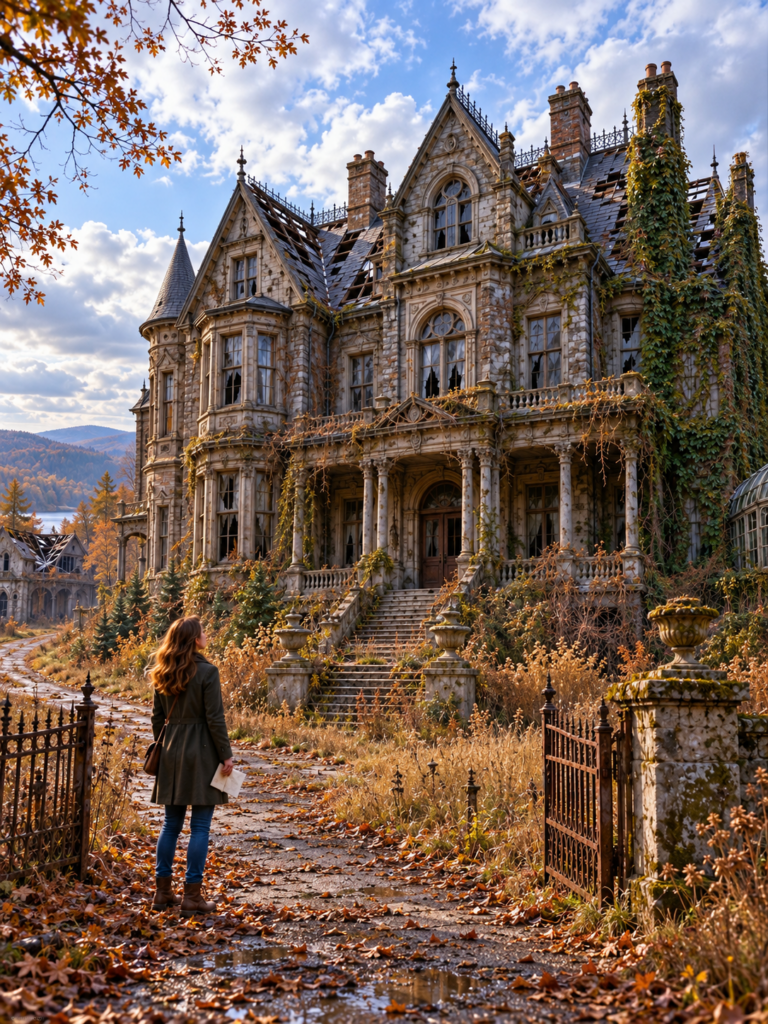
her wealthy in-laws laughed when they left the widow a $3 ruined mountain estate—until she found what their grandfather had buried beneath the old barn
Part 1
Three one-dollar bills lay on the polished walnut table between Evelyn Mercer and the family that had never believed she was good enough for their son.
Preston Mercer leaned back in his leather chair and smiled.
His older sister, Marjorie, did not bother hiding hers.
Their attorney looked down at the papers as though the grain in the tabletop had suddenly become fascinating.
Evelyn stared at the money.
At sixty-three years old, she had learned that cruelty rarely arrived shouting.
Sometimes it came wearing a tailored suit.
Sometimes it smelled like expensive perfume.
Sometimes it slid three dollars across a conference table and called itself an inheritance.
“Those are technically yours,” Preston said.
His voice carried the lazy satisfaction of a man who had been waiting years to win an argument nobody else realized was still being fought.
Evelyn lifted her eyes.
“My husband has been dead twenty-six days.”
Marjorie crossed one leg over the other.
“And the estate still has to be settled.”
Outside the lawyer’s office, winter rain streaked the windows overlooking Lexington, Kentucky. Headlights moved through the gray afternoon twelve floors below.
Evelyn had hardly noticed the city when she arrived.
She had hardly noticed anything since Thomas died.
Forty-two years of marriage had ended between breakfast and lunch on an ordinary Tuesday.
Tom had gone outside to bring in a package left near the porch. Evelyn had been washing two coffee mugs when she heard something strike the floor behind her.
Not a cry.
Not a warning.
Just the heavy, final sound of a man falling.
By the time the ambulance reached the hospital where Evelyn had spent thirty-one years working as a nurse, she already knew.
She had seen enough faces in emergency rooms to recognize the terrible stillness of a body that had gone somewhere medicine could not follow.
A ruptured cerebral aneurysm, the doctor told her.
Quick.
Probably painless.
As if speed made widowhood smaller.
Since then she had slept in fragments.
She kept Tom’s flannel jacket hanging on the kitchen chair because it still carried a trace of his cedar soap.
She had forgotten food on the stove twice.
She had awakened three mornings convinced she heard him splitting kindling behind the garage.
And now his brother and sister had summoned her to divide the remains of the Mercer family trust.
The attorney, Mr. Caldwell, cleared his throat.
“There is one final property.”
Evelyn looked at him.
“Red Hollow.”
The room went still.
Even Evelyn knew the name.
Tom had mentioned it perhaps half a dozen times in four decades.
An old family property in the eastern Kentucky mountains. Nearly two hundred acres of timber, an abandoned stone house, several barns, and whatever remained of a farm the Mercers had stopped visiting before Tom and Evelyn married.
Tom’s grandfather, Silas Mercer, had lived there until the early 1970s.
After his death, the property had drifted into family limbo.
Nobody wanted it.
Nobody sold it.
Nobody maintained it.
It simply remained.
Preston reached for his coffee.
“Call it what it is, Caldwell.”
The lawyer hesitated.
“A distressed property.”
“A wreck,” Preston corrected.
Marjorie gave a quiet laugh.
Caldwell pushed several documents toward Evelyn.
“The county has outstanding property-tax claims. There are demolition citations on two outbuildings, an environmental remediation order involving old fuel tanks, and penalties related to an abandoned machine shed.”
“How much?”
Caldwell removed his glasses.
“Three hundred twelve thousand dollars.”
Evelyn thought she had misheard him.
“Three hundred twelve thousand?”
“That is the current total.”
Preston smiled again.
“The gift that keeps giving.”
Evelyn turned toward him.
“You’re assigning Tom’s share of the trust to a property with three hundred thousand dollars in debt.”
“We are assigning his lawful portion,” Marjorie said. “You are his surviving spouse.”
“You mean you’re dumping it on me.”
Marjorie’s expression hardened.
“Thomas made his choices.”
There it was.
After forty-two years, they still could not say Tom’s marriage without making it sound like an unfortunate business decision.
Tom had grown up rich.
Not billionaire rich, as he used to joke.
Just old Kentucky money rich.
His grandfather had owned lumber operations, equipment dealerships, warehouses, and land stretching across several counties.
Tom’s father expanded the business.
Preston inherited the ambition.
Marjorie inherited the taste for status.
Tom inherited none of it except the name.
At twenty-eight, he walked away from the family company and became a high-school shop teacher.
That was where he met Evelyn, a young nurse caring for her mother after surgery.
She had grown up in a rented farmhouse with a father who repaired tractors and a mother who canned enough vegetables every August to survive a siege.
The Mercers tolerated her at first.
Then Tom married her.
Tolerance became resentment.
“The deed transfer includes the house, barns, outbuildings, timber acreage, subsurface structures, abandoned equipment, fixtures, and contents,” Caldwell said. “The wording is broad because the family trust wants complete separation from future environmental liability.”
Preston tapped the papers.
“You sign, Red Hollow becomes entirely yours.”
“And if I don’t?”
“You can contest the trust,” Marjorie said. “I’m sure you can find an attorney willing to spend the next five years fighting ours.”
Evelyn looked at Caldwell.
He did not meet her eyes.
She understood.
The Mercer family could spend more money exhausting her than she had earned in a lifetime.
She thought of Tom.
He would have fought them.
Or maybe he would have laughed.
That was one of the things she missed most.
Tom could find humor in anything except deliberate cruelty.
He once fixed their leaking roof during an ice storm because they could not afford a contractor. When he came through the kitchen door with icicles hanging from his mustache, he looked at Evelyn and said, “Good news. The roof is still above us.”
She had laughed until she cried.
Now she could barely remember what laughing felt like.
Marjorie opened her purse.
“For the transfer to be clean, the property has to have a stated consideration.”
She removed three crisp dollar bills.
The county’s effective assessed value, after liens and liabilities, was three dollars.
Marjorie placed them on the table.
“There.”
Preston chuckled.
“Don’t spend it all in one place.”
Evelyn looked at him for several seconds.
Then something inside her changed.
Not dramatically.
No sudden courage.
No plan for revenge.
She was simply too tired to give these people another piece of herself.
She picked up the pen.
Caldwell pointed toward the signature lines.
“Mrs. Mercer, I strongly recommend you read—”
“Where do I sign?”
He looked at her.
“Evelyn.”
It was the first time anyone in the room had used her first name kindly.
She understood the warning in his face.
But grief had reduced her world to basic decisions.
Stand up.
Drink water.
Feed the dog.
Answer the phone.
Breathe.
The idea of fighting Preston and Marjorie for years felt worse than accepting a mountain ruin.
So she signed.
Page after page.
When the final document was notarized, Evelyn rose.
She left the three dollars where they were.
Preston called after her.
“You forgot your inheritance.”
Evelyn put on Tom’s old brown coat.
“No,” she said. “I didn’t.”
She drove home through the rain.
Their small brick house sat near the edge of Georgetown on half an acre Tom had planted with dogwoods and tomatoes.
His pickup was still parked beside the garage.
Evelyn had not found the courage to move it.
That night she sat alone at the kitchen table.
She spread the Red Hollow documents beside Tom’s coffee mug.
The property photographs were worse than she expected.
The main house was a stone-and-timber structure built in 1919, half hidden beneath vines.
One barn had lost most of its roof.
A second leaned downhill as if tired.
There was an old machine shed, a springhouse, two silos, and miles of collapsed fencing.
She found the address.
Red Hollow Road.
Bell County.
Nearly three hours away.
Then she found something written on the back of an old property survey.
The handwriting stopped her.
Tom’s.
He must have handled the document years earlier.
Red Hollow.
Granddad Silas said there was more there than anybody knew.
Dad thought he meant timber.
Preston said he meant dementia.
I always wondered.
Below it, Tom had drawn a tiny crooked smile.
Evelyn touched the ink.
For the first time that day, she cried.
Not because of the inheritance.
Because Tom had once held that paper.
The next morning, she packed boots, gloves, two thermoses, a flashlight, a sleeping bag, and the old toolbox Tom kept beneath his workbench.
She called her neighbor, Janet, and asked her to care for the dog.
“Where are you going?”
“To see what three dollars bought me.”
The interstate eventually narrowed into mountain roads.
By early afternoon, bare ridges surrounded her.
Clouds hung low against the hills.
She passed abandoned coal buildings, small churches, trailers with woodsmoke rising from stovepipes, and weathered houses sitting beside creeks swollen by winter rain.
Red Hollow Road appeared almost by accident.
The pavement ended after two miles.
Mud replaced it.
Evelyn’s Subaru struggled uphill through ruts until a fallen sycamore blocked the road.
She parked and walked.
The cold settled immediately into her knees.
At sixty-three, Evelyn was healthy, but healthy no longer meant twenty-five.
Her left hip hurt in damp weather.
Two fingers on her right hand stayed stiff from arthritis.
She had spent years lifting patients heavier than herself, and her back remembered every one.
After half a mile, she found the gate.
One stone pillar had collapsed.
The iron gate hung crooked from a single hinge.
Beyond it, through bare trees, stood Red Hollow House.
Evelyn stopped walking.
It was enormous.
Not elegant anymore.
Not beautiful.
But enormous.
Three stories of gray stone and dark timber rose from the hillside. Chimneys stood at each end. The porch sagged in the middle. Ivy covered part of the western wall.
Behind the house, the mountains climbed steeply into hardwood forest.
Below it stretched a broad pasture turned brown by winter.
A barn stood at the far end.
Tom would have loved it once.
That thought hurt more than she expected.
Evelyn pushed through the gate.
The porch boards groaned under her boots.
The front door was unlocked.
Inside, the air smelled of wet plaster, mouse droppings, and forgotten years.
She moved from room to room.
A kitchen with rusted cabinets.
A dining room full of fallen ceiling plaster.
A parlor containing the skeleton of an upright piano.
On the second floor, she found bedrooms where wallpaper peeled in long strips.
Rain had stained the ceilings.
A raccoon had made a nest inside a linen closet.
Near sunset she reached a back bedroom overlooking the hollow.
There was one remaining piece of furniture.
An old wooden chair.
Evelyn sat down.
Through cracked glass she could see the barn, the field, and the darkening mountains.
Three hundred twelve thousand dollars.
She could sell her house and still not cover everything.
Retirement savings might handle part of it.
Tom’s life insurance would disappear.
Even then, demolition and cleanup could finish her.
Preston had known exactly what he was doing.
Evelyn lowered her face into her hands.
For a while she sat silently.
Then anger finally found its way through the grief.
“You should have warned me, Tom.”
Her voice echoed in the empty room.
“Forty-two years, and this is what your family leaves me?”
She stood so quickly the chair fell backward.
“Three dollars?”
She kicked a broken piece of plaster.
“You stubborn man.”
Her voice cracked.
“You died and left me here to deal with them.”
The anger collapsed.
Evelyn pressed both palms against the windowsill.
“I don’t know how to do this without you.”
Outside, darkness swallowed the mountains.
She cried until her shoulders hurt.
When she finally straightened, she looked again toward the barn.
A single patch of tin roof reflected the last light.
Tom’s note returned to her.
There was more there than anybody knew.
Maybe nothing.
Probably nothing.
But Evelyn had spent thirty-one years watching people die.
She knew one thing about death.
It ended possibilities.
She was still alive.
That meant she had at least one.
The following morning, Evelyn drove into the nearest town and stopped at a hardware store called Turner Supply.
Behind the counter stood a broad man with gray hair, suspenders, and hands scarred by a lifetime of tools.
He watched Evelyn pile work gloves, contractor bags, pry bars, dust masks, batteries, rope, and a shovel onto the counter.
“You clearing a house?”
“Trying to.”
“Which one?”
“Red Hollow.”
The man stopped scanning items.
“You mean Mercer Hollow?”
“I suppose.”
He looked at her more carefully.
“You family?”
“Unfortunately.”
That earned the faintest smile.
“Name’s Wade Turner.”
“Evelyn Mercer.”
He extended his hand.
“Tom Mercer’s wife?”
Her chest tightened.
“You knew Tom?”
“Long time ago.”
Wade looked toward the rain-darkened window.
“He came through here maybe fifteen years back. Asked questions about his granddad.”
“What kind of questions?”
Wade hesitated.
“About the lower barn.”
Evelyn became very still.
“What about it?”
Wade met her eyes.
“He wanted to know why Silas Mercer poured enough concrete under a cattle barn to hold up a courthouse.”
Part 2
Evelyn left Turner Supply with more questions than tools.
Wade had not known Tom well.
They met only twice.
Tom first visited Red Hollow when his father died and again several years later after finding some of Silas Mercer’s old journals.
“He spent most of a day walking around that barn,” Wade told her.
“Did he find anything?”
“If he did, he never told me.”
“Why didn’t he go back?”
Wade gave her a look older people often gave one another when they both understood how easily years disappeared.
“Life, I reckon.”
Life.
Parents became sick.
Children needed help.
Roofs leaked.
Jobs changed.
Knees hurt.
Christmas arrived.
Then another Christmas.
And suddenly a question you meant to answer fifteen years earlier became a note on the back of a survey after the man who wrote it was dead.
Evelyn returned to Red Hollow.
For four days, she worked.
She started in the house because it felt less dangerous.
She hauled rotten rugs onto the porch.
Bagged trash.
Removed fallen plaster.
Covered broken windows with plastic.
She found one fireplace with a sound chimney and carried in dry wood from the machine shed.
At night she returned to a cheap motel twenty minutes away, showered until the water ran brown from dust, swallowed two ibuprofen tablets, and fell asleep before the television weather report ended.
On the fifth morning, snow began.
Not much.
Only fine white grains drifting through the bare trees.
Evelyn stood in the old kitchen warming her hands around coffee.
She could hear Tom.
Not literally.
Memory had its own kind of voice.
You always start with the roof, Evie.
That was what he said whenever something broke.
A house.
A budget.
A marriage argument.
Stop the water first. Everything else comes after.
Evelyn smiled despite herself.
“Fine.”
She spent two days patching the worst leaks with tarps.
Wade showed up the second afternoon in an old Ford truck.
He carried a ladder.
“I didn’t call you.”
“Nope.”
“Then why are you here?”
“Because you’re sixty-something years old and I saw you buying roofing nails.”
“I’m sixty-three.”
“That improves the situation considerably.”
She looked at him.
Wade smiled.
For the first time since Tom died, Evelyn laughed unexpectedly.
It lasted perhaps two seconds.
But it frightened her.
She almost felt guilty.
Then she remembered Tom laughing with icicles in his mustache.
The guilt passed.
Wade helped secure the western roof.
He refused payment.
Evelyn made coffee over a camp stove.
They drank it sitting on overturned buckets in the kitchen.
“You really knew old Silas?” she asked.
“Everybody knew of him.”
“What was he like?”
“Hard man. Strange man. Brilliant with machinery.”
Wade stared into his coffee.
“People said he could hear an engine from across a field and tell which valve was bad.”
“What did he do with all his money?”
“Depends who you ask.”
“What do you say?”
“I say rich people hide things when they stop trusting their children.”
Evelyn looked toward the window.
The lower barn stood nearly two hundred yards away.
“Tom thought something was there.”
Wade nodded.
“He wasn’t the only one.”
The next morning Evelyn walked to the barn.
The roof had collapsed across one end.
Old hay lay black and rotten beneath it.
Rusting gates leaned against stone walls.
A 1950s manure spreader had sunk axle-deep into the earth behind the building.
Inside, she found stalls, broken harness hooks, feed bins, and scraps of agricultural equipment.
Nothing looked valuable.
She spent the day clearing debris.
The following day she returned with a pry bar.
Near the north wall she noticed something unusual.
Most of the barn floor was packed dirt.
But beneath a layer of rotten boards near the old tack room was concrete.
Thick concrete.
She scraped mud away.
Then more.
A slab extended beneath the boards.
Wade had been right.
By afternoon Evelyn had exposed nearly twelve feet of it.
There were no obvious doors.
No hinges.
No handles.
Only concrete.
She knelt and wiped the surface with her glove.
Near the wall, she found two parallel iron tracks running into what appeared to be solid stone.
Not tracks.
Guides.
Her heart accelerated.
She followed them until they disappeared beneath a wooden platform.
Evelyn wedged the pry bar underneath.
The first plank cracked.
The second came free.
The third revealed metal.
She stopped breathing.
A steel plate lay flush with the concrete.
At its center was a recessed iron ring.
Evelyn sat back on her heels.
For several moments, all she could hear was snow tapping against the remaining tin roof.
“Tom,” she whispered.
She tried the ring.
Nothing moved.
She pulled harder.
Pain shot through her shoulder.
The plate did not shift.
An hour later, Wade’s truck came down the muddy road carrying chains, a portable generator, and a winch.
He looked at the exposed steel.
Then at Evelyn.
“Well.”
“That’s all you’ve got?”
“I’m saving the impressive vocabulary.”
He crouched.
“Silas didn’t build this to store potatoes.”
They worked until dark.
The plate had been sealed so tightly that the first winch cable snapped.
The second attempt lifted one corner half an inch.
Dry air whispered through the gap.
Wade immediately stopped.
“We let it breathe.”
Evelyn nodded.
She knew enough about confined spaces to understand.
They waited.
Wade used a meter from his truck to check the air.
Then they lifted again.
Steel groaned across concrete.
A black opening appeared.
Beneath it were stairs.
Evelyn gripped her flashlight.
Wade caught her arm.
“Slow.”
“I am going slow.”
“You’ve spent five days trying to tear apart a condemned farm by yourself.”
“That is slow for me.”
“Tom must’ve had his hands full.”
Evelyn looked at him.
“No. I had mine full.”
Wade laughed.
Then his expression became serious.
“You stay behind me.”
They descended.
Twenty concrete steps ended at a steel door standing partly open.
The air was cold and astonishingly dry.
Wade pushed the door.
Beyond it, Evelyn’s flashlight illuminated a long underground room.
Shelves lined both walls.
Crates stood stacked waist-high.
Heavy canvas covered several large shapes.
A second tunnel disappeared to the right.
Evelyn moved slowly.
On the nearest shelf were wooden boxes stamped with dates from the 1930s and 1940s.
Some carried the names of automobile manufacturers.
Others contained sealed machine parts wrapped in waxed cloth.
Wade opened one.
He stared.
“What?”
He reached inside and lifted a polished brass carburetor.
“Never installed.”
“Is that important?”
“Depends what it fits.”
They continued.
Evelyn pulled the canvas from the first large object.
Underneath sat a dark green tractor.
Small by modern standards.
Perfectly preserved.
Its steel wheels were clean.
Its paint still shone.
Wade walked around it.
“Good Lord.”
“What?”
“This is an experimental Hart-Parr.”
Evelyn had no idea what that meant.
Wade apparently did.
“There might be only a handful like this anywhere.”
The second tarp covered a motorcycle.
The third covered another tractor.
Then they entered the side chamber.
That was where Evelyn stopped.
Four automobiles sat in a row.
One long black roadster.
One cream-colored convertible.
A dark red sedan.
And an enormous blue touring car with chrome headlights the size of dinner plates.
Dust lay over them.
But no rust.
No broken glass.
No nests.
No decay.
Time had simply paused.
Wade took off his cap.
“I know that car.”
He approached the blue one slowly.
“What is it?”
“A Duesenberg.”
Evelyn looked at the badge.
“Is that good?”
Wade turned.
“Evelyn, people build museums around cars like this.”
She almost laughed.
“You’re exaggerating.”
“I am not.”
He shone his flashlight along the hood.
“If this has original numbers and documentation, you may be looking at several million dollars.”
Evelyn stared at him.
“For one car?”
“Yes.”
She looked at the other three.
Wade did not answer the question she had not asked.
They searched for another hour.
There were motorcycles.
Crates of replacement parts.
Original dealer signs.
Mechanical drawings.
Ledgers.
Boxes of correspondence.
A locked cabinet containing titles and purchase receipts.
Silas Mercer had apparently spent decades buying machines his family believed worthless and storing them underground.
The most recent date Evelyn found was 1969.
Then, inside a metal desk drawer, she discovered a letter.
The envelope read:
For whoever finally bothers to look.
Evelyn opened it.
The handwriting was shaky.
Silas had written only one page.
He explained that his children had begun measuring everything by its immediate resale value.
Land.
Machines.
People.
Even family loyalty.
He feared the collection would be broken apart, neglected, or sold cheaply after his death.
So he sealed it.
He wrote that someday one of his descendants might care enough to walk the property rather than calculate it from an office.
That person, he believed, should decide what happened next.
Evelyn read the letter twice.
At the bottom was a final line.
If you found this, you worked harder than the rest of them.
Wade stood quietly beside her.
Evelyn thought of Preston’s laugh.
Marjorie’s three dollar bills.
Tom’s handwritten note.
Then she folded Silas’s letter against her chest.
She wanted desperately for Tom to be standing there.
He would have understood the machines.
He would have known what each engine meant.
He would have spent six hours examining bolts before remembering lunch.
Instead there was only a cold underground room and the sound of Evelyn breathing.
She sat on a wooden crate.
Wade crouched nearby.
“You all right?”
“No.”
He waited.
Evelyn wiped her face.
“I’m so angry with him.”
“With Tom?”
“Yes.”
“I thought you loved him.”
“I did. That’s why I’m angry.”
She laughed once through her tears.
“He would have loved this.”
Wade nodded.
“And he’s not here.”
“No.”
That was the deepest cruelty of grief.
Good things still happened.
Sunsets came.
Dogs did funny things.
Old friends called.
Vaults opened beneath barns.
And every beautiful surprise immediately created a second wound because the person you wanted to tell was gone.
Wade sat beside her.
Neither spoke for a while.
Finally Evelyn looked around.
“Don’t tell anyone.”
“I wasn’t planning to.”
“I mean anyone.”
“I understand.”
But Red Hollow had already begun attracting attention.
County records showed activity.
Evelyn paid for a structural assessment.
She hired an environmental consultant.
She requested updated surveys.
Every search left fingerprints.
Three days later, Preston Mercer’s accountant noticed that someone had requested a full title history on the Red Hollow property.
The following morning, Preston called Evelyn.
She did not answer.
He called again.
Then Marjorie called.
Evelyn ignored that one too.
By afternoon, a message arrived.
Evelyn, we should discuss the property. There may have been misunderstandings in how certain trust assets were categorized.
Evelyn read it while standing in the Red Hollow kitchen.
Wade was repairing the stove pipe.
“What?”
She handed him the phone.
He read the message.
“Sounds friendly.”
“They’ve never been friendly.”
“Then they’re scared.”
Evelyn looked out the window toward the barn.
For the first time since Tom died, she felt something other than grief.
Not triumph.
Not yet.
Something steadier.
Purpose.
Part 3
The first serious appraisal took nearly six weeks.
Evelyn hired a specialist from Cincinnati under a confidentiality agreement.
His name was Dr. Samuel Keene, though he was not the kind of doctor Evelyn had spent her career working beside.
Keene had a doctorate in industrial history and advised museums, auction houses, and private collectors.
He arrived at Red Hollow wearing muddy boots, an old canvas coat, and an expression suggesting he expected disappointment.
That expression disappeared underground.
For nine hours he documented serial numbers.
He photographed engine blocks.
He opened crates.
He examined chassis plates through a magnifying glass.
He became increasingly quiet.
At sunset, Evelyn found him standing beside the blue Duesenberg.
“Well?”
Keene removed his glasses.
“Mrs. Mercer, do you understand what you have?”
“I was hoping you would tell me.”
He looked around.
“The car alone is extraordinary. But the collection matters because it is intact.”
“How much?”
“I would not give you a number yet.”
“Why?”
“Because I prefer not to be sued for causing heart attacks.”
Evelyn did not smile.
“I spent thirty-one years in cardiology and hospice. Try me.”
Keene exhaled.
“Conservatively? Twenty-five million.”
Evelyn stared at him.
“For everything?”
“Conservatively.”
She sat down on a crate.
Keene continued.
“The upper end could be substantially higher depending on provenance, restoration history—which appears to be none—and the documentation.”
Wade leaned against a shelf.
“What about the farm equipment?”
“Potentially significant. That Hart-Parr prototype could interest major agricultural museums. There are two early Caterpillar machines in another chamber. Several motorcycles are exceptionally rare.”
Evelyn looked toward the rows of crates.
Three dollars.
That was what Marjorie had put on the table.
Three dollars to sever liability.
Three dollars to humiliate a widow.
Three dollars for something worth more than Evelyn could understand.
Keene warned her immediately.
“Do not move anything unnecessarily. Do not start engines. Do not clean paint. Do not allow anybody who ‘knows old cars’ to touch them.”
Wade raised a hand.
“I feel personally attacked.”
Keene ignored him.
“Climate control should be stabilized. Insurance is urgent. Physical security is urgent. Legal review is essential.”
Evelyn thought about that last word.
“Legal.”
“Yes.”
“Because the family will come back.”
Keene paused.
“If they transferred all rights cleanly, they may not have a claim.”
“That doesn’t answer what I said.”
“No.”
He closed his notebook.
“They will come back.”
Evelyn hired an attorney named Rachel Boone.
Rachel was fifty-four, raised on a tobacco farm outside Somerset, and had spent twenty years handling land disputes.
She read the transfer documents twice.
Then a third time.
Finally she looked at Evelyn.
“Who drafted this?”
“The Mercer trust attorneys.”
Rachel smiled.
“You may want to send them flowers.”
“Why?”
“Because they were so desperate to unload every possible liability that they transferred virtually everything connected to Red Hollow.”
She tapped a paragraph.
“Structures, substructures, fixtures, equipment, contents, known or unknown assets, mineral exceptions only where separately recorded, and all rights associated with possession.”
“So the collection is mine?”
“I believe so.”
“Believe?”
“Lawyers who promise certainty generally become defendants themselves.”
Rachel turned another page.
“But this is unusually broad.”
Evelyn looked toward the office window.
“What happens when they sue?”
“They spend money.”
“And I spend money.”
“Yes.”
“How much?”
“That depends how angry rich people get when they discover greed cost them millions.”
Evelyn folded her arms.
“Very.”
Rachel smiled.
“Then we prepare.”
The fence went up first.
Not barbed wire and armed guards.
Evelyn did not want Red Hollow turned into a prison.
But she installed a proper locked gate, cameras, lighting, and alarms around the lower barn.
Wade helped.
So did his nephew Caleb, a quiet thirty-year-old electrician who refused to accept full payment because, as Wade put it, “Everybody in town is nosy and half of them already think you found gold.”
“What did you tell them?”
“That you found termites.”
“Will they believe that?”
“No.”
By February, Evelyn stopped staying at the motel.
She repaired two rooms in the main house.
One bedroom.
One bathroom.
The kitchen.
She had running water restored from a deep well.
A propane tank supplied the stove.
Wade installed a wood burner.
The rest of the mansion remained cold and broken.
But Evelyn did not need the whole house.
She had spent nearly a month learning that loneliness behaved differently in old buildings.
At her suburban home, silence felt like absence.
At Red Hollow, silence had texture.
Wind moved through trees.
Owls called from the ridge.
Mice rustled behind walls.
Rain struck the metal roof.
Old pipes clicked as temperatures changed.
The house did not feel empty.
It felt asleep.
She began waking before dawn.
She made coffee in Tom’s dented steel thermos.
Then she walked the pasture.
There were fence lines to clear.
Drainage ditches to reopen.
Storm-fallen trees to cut.
She moved slowly.
Her body demanded it.
Some afternoons her hip hurt so badly she had to stop.
Once she slipped on wet clay and sat in the mud for several minutes before she could stand.
She swore loudly enough for the mountains to hear.
Then she laughed.
Red Hollow did not make Evelyn young again.
It made age useful.
She knew how to pace herself.
She knew how to sharpen tools.
She knew pain that meant stop and pain that meant complain while continuing.
She knew how to stretch stew for three days, how to shut off water before a freeze, and how to recognize the smell of an electrical wire overheating.
These were not heroic talents.
They were accumulated life.
That spring, she planted a garden behind the house.
Wade found her setting tomato seedlings.
“You know you’re worth millions now.”
“Apparently.”
“You could buy tomatoes.”
“These taste better.”
“They’re four inches tall.”
“They have potential.”
He crouched and helped.
By then Evelyn understood that Wade came to Red Hollow for more than repairs.
His wife had died eight years earlier.
His children lived in Tennessee.
He was lonely too.
They did not discuss it.
At their age, companionship did not require immediate naming.
Sometimes he brought biscuits.
Sometimes Evelyn made soup.
Sometimes they worked all day and spoke only a few sentences.
It was enough.
Then one April morning, a black SUV appeared outside the gate.
Preston stepped out.
Marjorie followed.
They had come without warning.
Evelyn saw them through the kitchen window.
Her hands began shaking.
For months she had imagined this moment.
In imagination, she was always calm.
Reality was different.
Her stomach tightened.
The old shame returned instantly.
The years of Christmas dinners where Marjorie praised Evelyn’s “simple little nursing career.”
The family weddings where Preston introduced her as “Tom’s wife” because remembering her name apparently required effort.
The funeral where they stood across the chapel and barely touched her.
Evelyn dried her hands.
Wade was working near the barn.
She called him.
“They’re here.”
“I’m coming.”
“No.”
“You sure?”
“Yes.”
Evelyn put on Tom’s brown coat and walked to the gate.
Preston had gained weight since she last saw him.
Marjorie wore sunglasses though the morning was cloudy.
Preston looked past Evelyn toward the repaired house.
“You’ve been busy.”
“It’s my property.”
“We need to talk.”
“No.”
His jaw moved.
“Evelyn, don’t be childish.”
She almost smiled.
That old word.
Childish.
The favorite weapon of people who wanted obedience without admitting it.
Marjorie stepped closer.
“We understand you discovered certain items that may have originated with the Mercer family.”
“How did you hear that?”
“Red Hollow has historical importance.”
“You didn’t think so in January.”
“This isn’t helpful.”
Evelyn gripped the gate.
“No. What wasn’t helpful was handing me three hundred thousand dollars in debt while my husband was still warm in the ground.”
Marjorie removed her glasses.
For once, there was no superiority in her expression.
There was fear.
“We were grieving too.”
Evelyn looked at her.
“You opened champagne after I signed.”
Marjorie’s mouth closed.
Preston stepped forward.
“The collection belonged to Granddad.”
“So did the asbestos.”
His face hardened.
“That’s not the same thing.”
“It was when you transferred it.”
“Our position is that underground assets were not contemplated by the agreement.”
“Your lawyer wrote ‘known and unknown.’”
“The intention matters.”
Evelyn thought of Rachel’s warning.
Do not argue law at the gate.
So she said only, “Talk to my attorney.”
Preston gripped the metal bars.
“We can fix this within the family.”
“Tom was family.”
Neither answered.
Evelyn waited.
She had expected anger.
Threats.
Some legal argument.
What came instead hurt more.
Marjorie lowered her voice.
“Thomas wouldn’t want you doing this.”
Evelyn’s breathing stopped for a second.
There it was.
They had found the cruelest possible lever.
They reached into the grave and tried to use her husband against her.
Evelyn stepped closer to the gate.
“You do not get to tell me what Tom wanted.”
Marjorie opened her mouth.
Evelyn continued.
“You had forty-two years to ask him.”
Preston’s face reddened.
“You think because you accidentally stumbled onto some old cars, you’ve won something?”
“No.”
“Good.”
“I think I learned something.”
“What?”
Evelyn looked from him to Marjorie.
“That Tom spent his whole life trying not to become either of you.”
Preston struck the gate with his palm.
“You ungrateful—”
Wade appeared behind Evelyn.
He said nothing.
He simply stood there.
Preston saw him.
His voice dropped.
“You’ll hear from our lawyers.”
“I already have lawyers.”
“We can freeze everything.”
“Then try.”
“You don’t have the resources for this fight.”
Evelyn almost told him the collection appraisal.
Instead she remembered Tom.
Stop the water first.
Everything else comes after.
So she smiled.
“I guess we’ll find out.”
The lawsuit arrived nine days later.
Part 4
By summer, Red Hollow had become two battles.
One happened in court.
The other happened inside Evelyn.
The legal battle was easier.
Not cheap.
Not pleasant.
But understandable.
Papers arrived.
Lawyers argued.
Depositions were scheduled.
The Mercer trust claimed the underground collection was a concealed family asset never intended to transfer.
Rachel countered that the trust itself had possessed Red Hollow for decades and had every opportunity to inspect it.
The transfer language was deliberate.
Absolute.
Designed specifically to protect the trust from unknown liabilities.
The same language that saved Preston from potential environmental costs now threatened to cost him millions.
Evelyn understood the irony.
What she did not enjoy was watching Tom become evidence.
Old family emails were introduced.
Trust documents.
Letters.
Statements Tom made twenty years earlier.
Preston’s attorneys attempted to suggest Evelyn had manipulated Tom into separating from the family.
She sat through a deposition while a thirty-something lawyer asked whether Tom had been “emotionally vulnerable” during their marriage.
Evelyn stared at him.
“For forty-two years?”
The lawyer shifted.
“I’m asking whether there were periods—”
“Yes. He became emotionally vulnerable every December when the Cincinnati Bengals disappointed him.”
Rachel coughed to hide a laugh.
The lawyer did not.
“Mrs. Mercer, please take this seriously.”
“I have buried my husband, inherited a condemned property, discovered an underground museum, and been sued by people who toasted after handing me the debt. I am taking it seriously.”
What hurt came later.
At night.
Alone.
Evelyn would lie beneath a quilt in the repaired upstairs bedroom while wind moved through the trees.
She missed Tom with a physical ache.
Success had not lessened grief.
Sometimes it made grief worse.
Every improvement to Red Hollow carried a silent sentence.
Tom should see this.
When the garden produced its first tomatoes:
Tom should taste these.
When Wade restored the old springhouse:
Tom would love this.
When Evelyn found a family photograph of Silas standing beside the barn in 1948:
Tom should be here.
One evening she opened a box of his belongings she had brought from Georgetown.
Inside was his wedding ring.
She had removed it at the funeral home because she could not bear the idea of burying it.
Now she sat on the porch holding the ring.
Wade drove up with lumber.
He saw her face and set the boards down without speaking.
After a while he sat on the opposite end of the porch.
“I almost sold everything,” Evelyn said.
“The cars?”
“The house in Georgetown. All of it.”
“Why?”
“I thought if I got rid of the places he belonged, maybe I could stop expecting him to walk into them.”
Wade stared toward the pasture.
“Didn’t work?”
“No.”
“My wife hated my truck.”
Evelyn looked at him.
“That seems unrelated.”
“It is.”
Wade rubbed his palms together.
“She said it rode like a feed wagon. Wanted me to buy something newer for years. After she died, I kept that truck another seven years.”
“Why?”
“Because she hated it.”
Evelyn laughed quietly.
“I’d get in and hear her complaining.”
His smile faded.
“Then the transmission died last spring.”
“What did you do?”
“Sat in the cab and cried like an idiot.”
“You weren’t an idiot.”
“No.”
He looked at her.
“Neither are you.”
Evelyn closed her fingers around Tom’s ring.
“I’m afraid of being happy.”
Wade nodded slowly.
“That sounds normal.”
“It feels disloyal.”
“My Ruth would haunt me if I spent the rest of my life miserable on her account.”
“Tom too.”
“Then maybe we ought to fear ghosts more than happiness.”
Evelyn smiled.
They watched dusk settle over Red Hollow.
In July, the case took a dangerous turn.
Preston’s attorneys produced an old memorandum suggesting Silas Mercer intended the collection to remain “for Mercer descendants.”
Rachel read the document at the kitchen table.
“Bad?”
“Annoying.”
“Meaning?”
“Meaning they have an argument.”
Evelyn felt the floor disappear beneath her.
“But the deed—”
“Still strong.”
“You said it was strong.”
“It is.”
“But?”
Rachel took off her glasses.
“Litigation is never a straight road. This memorandum creates ambiguity about Silas’s intent, not about the transfer itself. Preston will claim the trust had no authority to convey property held for descendants.”
“Did it?”
“That depends on whether the collection was separately placed into a testamentary trust.”
“Was it?”
“We don’t know.”
Evelyn stared toward the barn.
“So after all this, they could still take it?”
“I didn’t say that.”
“You didn’t say no.”
Rachel’s expression softened.
“No.”
That night Evelyn could not sleep.
Rain hammered the roof.
At two in the morning she went downstairs.
The kitchen smelled faintly of coffee and old wood.
She pulled Silas Mercer’s boxes from a cabinet.
They had catalogued only part of the underground paperwork.
Most appeared to be business records.
Purchase orders.
Equipment lists.
Receipts.
Letters from collectors.
Evelyn began reading.
Hour after hour.
At dawn she found a journal from 1967.
Silas wrote about Preston and Marjorie’s father.
He worried the next generation cared only for cash.
He described creating a separate ownership company called Red Hollow Agricultural Preservation Company.
Evelyn sat upright.
She called Rachel at 6:14 a.m.
Rachel answered on the fourth ring.
“Someone better be dead.”
“I found something.”
“I take back what I said.”
Within two hours, Rachel was at Red Hollow.
They searched the records together.
The company existed.
Silas had transferred the collection into it in 1968.
Then, one year later, he transferred all shares of the company to the Red Hollow property holding entity.
The same entity eventually absorbed into the Mercer family trust.
The same trust Preston controlled.
The same trust that deeded Red Hollow to Evelyn.
Rachel stood at the kitchen table with both hands resting on the paperwork.
“Do you understand what this means?”
“The cars go with the land.”
“Better.”
Rachel smiled.
“The company goes with the land.”
The court hearing took place six weeks later.
Evelyn wore a navy dress she had bought for Tom’s funeral.
She nearly changed before leaving.
Then decided she wanted Preston to see exactly what his actions were built upon.
The courtroom was small.
No dramatic jury.
No packed gallery.
Just lawyers, files, fluorescent lights, and a judge who looked tired of wealthy families fighting over inheritance.
Preston sat across the aisle.
Marjorie beside him.
Neither looked at Evelyn.
Rachel presented the corporate records.
The opposing attorney argued technical defects.
Rachel produced later tax filings confirming continuity.
The attorney argued Silas lacked capacity.
Rachel produced letters, bank records, and signed audits completed years before his decline.
The judge asked questions for nearly two hours.
Then he called a recess.
Evelyn sat in the hallway.
Her hands shook.
Wade handed her coffee.
“You want sugar?”
“No.”
“You sure? This tastes like roofing tar.”
“I’ve had hospital coffee. I’m trained.”
He sat beside her.
“What if we lose?”
Wade considered the question.
“Then tomorrow morning the sun comes up.”
“That’s your wisdom?”
“It’s all I’ve got.”
Evelyn looked down at her hands.
“I’m tired.”
“I know.”
“I don’t mean today.”
“I know.”
She leaned back against the wall.
“For months I’ve been telling myself this is about Tom. About dignity. About not letting them win.”
Wade waited.
“What if it’s become about the money?”
“Has it?”
Evelyn thought about the repaired house.
The garden.
The town.
The old machines.
Tom.
“No.”
“Then there’s your answer.”
The judge returned at 3:40.
His ruling was careful.
Technical.
Almost painfully unemotional.
But the meaning was clear.
The transfer stood.
Red Hollow, its associated corporate holdings, underground structures, contents, and collection belonged to Evelyn Mercer.
Preston’s request for injunction was denied.
The family trust had knowingly executed a comprehensive transfer in exchange for release from liabilities.
A party could not disavow the unfavorable consequences of its own chosen language merely because an unknown asset later proved valuable.
Evelyn closed her eyes.
She expected joy.
Instead she felt exhausted.
Across the aisle, Preston whispered furiously to his attorney.
Marjorie stared straight ahead.
Outside the courthouse, reporters waited.
Someone had leaked the story.
Evelyn refused interviews.
Preston did not.
“This is not over,” he told cameras.
But it was.
The appeal failed.
By October, the underground collection could finally be moved, insured, and prepared for sale.
That was when Evelyn faced the question nobody else could answer.
What now?
Keene recommended a major international auction.
Collectors were already calling.
Museums sent letters.
A private buyer from Texas offered thirty-eight million dollars for everything without inspection.
Evelyn turned it down.
Wade nearly dropped his coffee.
“You said no to thirty-eight million dollars?”
“Yes.”
“Are you feeling well?”
“I don’t want the collection disappearing into one person’s warehouse.”
“Thirty-eight million dollars.”
“I heard you.”
“Just confirming.”
Evelyn had another idea.
She wanted the most important agricultural machines preserved publicly.
She wanted Silas’s papers donated to a university archive.
She wanted a selection of vehicles auctioned individually.
And she wanted Red Hollow itself restored.
Not into a mansion for rich tourists.
Into something useful.
The plan sounded ridiculous at first.
Then it grew.
A rural trade school.
Automotive restoration.
Diesel repair.
Agricultural mechanics.
Carpentry.
Welding.
Skills Tom had taught for thirty years.
Skills increasingly difficult for small mountain communities to access.
Evelyn proposed naming it the Thomas Mercer Rural Trades Center.
When she showed Wade the plan, he read it twice.
“He’d like this.”
Evelyn looked toward the hills.
“I know.”
For the first time, saying Tom’s name did not feel like touching an open wound.
It still hurt.
But pain and pride had begun sharing the same room.
Part 5
The auction took place the following spring.
Not in New York.
Not in California.
Evelyn insisted it happen in Kentucky.
A national auction company built a temporary pavilion outside Lexington.
Collectors flew in from across the country.
Museum representatives arrived from Europe.
Television crews lined the entrance.
The story had become irresistible.
A sixty-three-year-old widow.
A three-dollar deed.
A ruined mountain farm.
A hidden collection sealed beneath a barn for half a century.
And a wealthy family that had given it away because they believed the property was worthless.
Evelyn disliked the headlines.
They always called it revenge.
Widow’s Revenge.
Three-Dollar Revenge.
Mercer Family Revenge.
That was not how she saw it.
Revenge would have meant wanting Preston and Marjorie to suffer.
Evelyn no longer needed that.
Consequences were enough.
She arrived early wearing a simple dark green dress.
Tom’s wedding ring hung on a chain beneath it.
Wade wore a suit that looked as uncomfortable on him as formal saddlery on a mule.
“You clean up well,” Evelyn said.
“You lie well.”
“I worked in healthcare. It’s a professional skill.”
They walked through the display hall.
The blue Duesenberg stood beneath soft lights.
The cream convertible rested nearby.
Information boards told the story of each machine.
Silas Mercer’s agricultural equipment occupied another gallery.
Evelyn had already arranged for those pieces to remain together in a museum collection.
They would not be sold.
Neither would Tom’s favorite item.
An old 1949 Ford pickup discovered in the final chamber.
It was not especially valuable.
Keene estimated perhaps forty thousand dollars.
But Tom had owned the same model when he was seventeen.
Evelyn had decided it belonged at Red Hollow.
At noon, bidders filled the pavilion.
Evelyn and Wade took seats near the back.
Then Wade nudged her.
“Don’t look now.”
“That phrase has never stopped anyone.”
Three rows ahead sat Preston.
Marjorie beside him.
Evelyn felt a brief tightening in her chest.
Then it passed.
They looked older.
Preston had lost weight.
Marjorie’s hair was almost entirely silver now.
For months Evelyn had imagined seeing them here.
She thought she would feel victorious.
Instead she felt sad.
Not sorry for them.
Sad for what they had chosen.
They had inherited money, education, opportunity, and a brother who repeatedly tried to love them.
Still, somehow, it had not been enough to make them generous.
The auctioneer stepped onto the platform.
Bidding began.
A motorcycle sold for $410,000.
A prototype tractor brought $780,000.
Crates of rare parts produced bidding wars Evelyn could barely follow.
Then the red sedan sold for $4.6 million.
The cream convertible for $7.2 million.
The black roadster climbed past ten.
Evelyn watched numbers rise on screens.
They no longer felt real.
She thought about the morning she bought roofing nails at Turner Supply.
She thought about sleeping in a motel that smelled of bleach.
She thought about falling in the mud.
She thought about Tom’s note.
There was more there than anybody knew.
Finally the blue Duesenberg rolled onto the stage.
The room changed.
Even wealthy collectors leaned forward.
The auctioneer opened at four million.
A paddle rose.
Five.
Six.
Eight.
Ten.
Bidding slowed at twelve.
Then a buyer on the telephone jumped to thirteen.
Someone in the front row offered fourteen.
Fifteen.
Evelyn saw Preston’s shoulders stiffen.
Sixteen.
Marjorie looked down.
Seventeen.
The auctioneer scanned the room.
“Seventeen million dollars. Do I have seventeen-five?”
A paddle rose.
“Seventeen-five.”
Another bidder lifted his card.
“Eighteen.”
Silence.
The auctioneer waited.
“Eighteen million dollars.”
Evelyn gripped Wade’s hand.
He looked down.
Neither mentioned it.
“Going once.”
Evelyn looked at Preston.
He turned at exactly that moment.
Their eyes met.
For years Evelyn had wanted him to understand what he had done.
Now she realized she did not need him to.
That was freedom.
“Going twice.”
The gavel struck.
“Sold.”
Applause filled the pavilion.
Evelyn did not clap.
She closed her eyes.
Somewhere inside her memory, Tom was twenty-six again, leaning over the engine of his first truck.
Then thirty-five, painting the nursery they never got to use after Evelyn’s miscarriage.
Then forty-eight, teaching a nervous teenager how to weld.
Then sixty-two, dancing badly with her in the kitchen.
Then sixty-eight, sitting on their porch with coffee, telling her they had grown old without noticing.
The auction continued.
When the final total appeared that evening, Evelyn stared at the screen.
$51,870,000.
After fees, taxes, legal expenses, debt repayment, restoration costs, and charitable transfers, she would keep far less.
It did not matter.
Far less was still more money than she could reasonably spend.
Outside the pavilion, reporters gathered.
This time Evelyn agreed to speak.
Only once.
A young reporter held out a microphone.
“Mrs. Mercer, do you consider today revenge against your late husband’s family?”
Evelyn looked toward the doors where Preston and Marjorie had disappeared.
“No.”
The reporter seemed disappointed.
“Then what do you consider it?”
Evelyn thought for a moment.
“A lesson.”
“What lesson?”
“That value and price aren’t the same thing.”
Cameras clicked.
“The property had a price of three dollars because nobody wanted its problems. My husband’s family looked at the debt, the broken roof, and the rotten barns and decided there was nothing worth saving.”
She paused.
“They were wrong about the property.”
Her voice softened.
“And they were wrong about a lot of people too.”
The following Monday, Evelyn returned to Red Hollow.
No reporters.
No collectors.
No lawyers.
Just spring rain settling into the mountain soil.
The stone house was under restoration.
Not complete restoration.
Evelyn did not want marble bathrooms or polished luxury.
She wanted the building safe.
Warm.
Useful.
The lower floors would eventually contain classrooms.
The barn would become a workshop.
A new metal building would house welding bays and diesel engines.
Local high-school students could learn trades tuition-free.
Adults displaced from mines and factories could retrain.
A portion of the auction proceeds established scholarships.
Another portion funded a mobile health clinic serving remote communities.
Evelyn donated new equipment to the county volunteer fire department.
When the fire chief tried to name the ambulance after her, she refused.
“Name it after Tom.”
So they did.
That summer, Evelyn sold the Georgetown house.
She kept Tom’s tools.
His coffee mug.
His books.
His jacket.
His truck went to a seventeen-year-old boy named Caleb Jr., Wade’s grandson, who had spent nearly a year helping at Red Hollow.
Evelyn handed him the keys.
The boy stared at her.
“Mrs. Mercer, I can’t take this.”
“Yes, you can.”
“But this was Mr. Mercer’s.”
“That’s why I’m giving it to someone who’ll use it.”
His eyes filled.
“I’ll take care of it.”
Evelyn smiled.
“Don’t.”
He looked confused.
“Use it. Scratch it. Haul lumber in it. Get mud in the floorboards. Trucks aren’t supposed to be taken care of so carefully they forget what they’re for.”
He hugged her.
It surprised both of them.
The Thomas Mercer Rural Trades Center opened the following October.
Four hundred people came.
More than the town expected.
Students toured the workshop.
Former teachers found photographs of Tom displayed in the entrance hall.
One showed him standing beside a welding table, safety glasses pushed onto his forehead, laughing at something outside the frame.
Evelyn stood in front of that photograph for a long time.
Wade joined her.
“You okay?”
“Yes.”
And she meant it.
Not perfect.
Not healed.
Grief did not disappear because life improved.
She still woke some mornings reaching toward Tom’s side of the bed.
She still heard a joke and imagined telling him.
She still missed his hand on the small of her back when they crossed parking lots.
But grief was no longer the only thing living inside her.
There was work.
Friendship.
Purpose.
Memory.
And, slowly, peace.
Near the end of the opening ceremony, a black sedan stopped near the old stone gate.
Marjorie stepped out alone.
Evelyn saw her from across the yard.
For a moment neither woman moved.
Then Marjorie walked closer.
She had changed.
Not dramatically.
Life rarely transformed people as neatly as stories did.
But something about her confidence had collapsed.
She wore no sunglasses.
No expensive coat.
Just dark pants and a gray sweater.
“Hello, Evelyn.”
“Marjorie.”
“I won’t stay.”
Evelyn waited.
Marjorie looked toward the building.
“I saw Thomas’s name.”
“Yes.”
“He would have liked this.”
“I think so.”
Silence stretched.
Children laughed near the workshop.
Someone started an engine.
A hammer struck metal.
Marjorie swallowed.
“I owe you an apology.”
Evelyn said nothing.
“We were cruel.”
Still Evelyn waited.
“I told myself we were angry because Thomas left the company. Then I told myself you pulled him away. Then after he died…”
Her voice weakened.
“I think blaming you was easier than admitting he stayed away because of us.”
Evelyn looked at her carefully.
“I can’t fix that for you.”
“I know.”
Marjorie nodded.
“I’m not asking for money.”
“I know.”
“I’m not asking for the collection.”
“I know.”
Marjorie looked toward Tom’s photograph visible through the entrance.
“I just wanted to say I’m sorry.”
There had been a time when Evelyn imagined this apology.
In those fantasies, she delivered a perfect speech.
Something devastating.
Something Marjorie would remember for the rest of her life.
Standing there now, Evelyn discovered she had no interest in punishment.
“I accept that you’re sorry,” she said.
Marjorie looked relieved.
“That doesn’t mean everything goes away.”
The relief faded.
“I understand.”
“Good.”
Marjorie started toward the car.
Then Evelyn spoke.
“There’s a photograph inside.”
Marjorie turned.
“Of Tom.”
Her face changed.
Evelyn nodded toward the entrance.
“You can see it if you want.”
Marjorie stood completely still.
Then she whispered, “Thank you.”
They walked inside separately.
Evelyn did not forgive forty-two years in an afternoon.
Marjorie did not become a different woman because she apologized.
Preston never came.
Sometimes endings were imperfect because people were imperfect.
Evelyn had learned to accept that.
Two years later, on a cool April morning, she walked to the lower barn.
At sixty-five, her hip complained more loudly than it used to.
She carried a walking stick on steep ground.
Wade teased her about it until his own knee surgery forced him to use one for three months.
They were not married.
People in town kept asking.
They kept ignoring them.
Some relationships did not need a courthouse to become important.
The barn doors stood open.
Inside, six students worked around the old 1949 Ford pickup.
Their instructor was explaining fuel systems.
The truck remained unrestored on the outside.
Evelyn wanted it that way.
The faded paint and small dents belonged to its history.
A girl of seventeen leaned into the engine bay.
“What’s this line running here?”
The instructor pointed.
“Good catch.”
Evelyn smiled.
Tom would have liked her.
She left them working and continued uphill.
The garden behind the house was ready for planting.
Wade had already turned the soil.
Beyond it, Red Hollow stretched beneath the morning sun.
Fences repaired.
Roof straight.
Pasture green.
Smoke rising from the workshop chimney.
A fire department ambulance bearing the words THOMAS MERCER MEMORIAL UNIT moved along the county road far below.
Evelyn stood beside the stone wall.
She reached beneath her shirt and held Tom’s ring.
“I finally figured it out,” she said quietly.
Wind moved through the young leaves.
“I thought the treasure was under the barn.”
She looked down at the school.
“It wasn’t.”
For decades the Mercer family had treated Red Hollow as a burden because they measured everything by what it could provide them.
Silas buried his collection because he understood what greed did to people.
Tom walked away because he understood it too.
Evelyn had nearly fallen into the same trap after discovering the vault.
For a while, all she could see were numbers.
Three hundred twelve thousand dollars of debt.
Twenty-five million in estimated value.
Thirty-eight million from a private buyer.
Fifty-one million at auction.
But those numbers had never been the real story.
The real story was a woman who believed widowhood had made her life smaller discovering that it had not ended.
It had changed.
Painfully.
Unfairly.
But not completely.
At sixty-three, Evelyn Mercer had been treated like disposable family.
At sixty-five, she stood on land carrying her husband’s name into another generation.
Young people learned trades in rooms that once sat empty.
Neighbors worked where weeds once grew.
An old house breathed again.
A forgotten farm had become useful.
That mattered more than any auction total.
Wade called from the porch.
“Coffee’s getting cold!”
Evelyn turned.
“You made it?”
“I did.”
“Then cold might improve it.”
“Keep talking and you can make your own.”
She laughed.
A full laugh this time.
No guilt followed.
She crossed the yard slowly, walking stick tapping against stone.
Behind her, an engine started inside the barn.
Ahead of her, coffee waited on the porch.
And between those two sounds lay everything she thought she had lost and everything she had unexpectedly found.
Not youth.
Not her old life.
Not even justice in the simple way she once imagined it.
Something better.
A reason to keep living forward.
Evelyn reached the porch.
Wade handed her a mug.
She tasted it and grimaced.
“This is terrible.”
“Told you it was getting cold.”
“That is not the problem.”
He sat beside her.
The mountains stretched blue beyond the pasture.
For several minutes they said nothing.
They did not need to.
Evelyn rested both hands around the warm mug and watched morning settle over Red Hollow.
Once, three dollars had been thrown across a table to remind her how little the Mercer family thought she deserved.
Now she understood something they never had.
A person’s worth was not decided by the people who underestimated them.
Neither was a farm’s.
Neither was an old machine’s.
Neither was a life after loss.
Sometimes the thing everyone else abandoned was exactly the thing worth saving.
And sometimes, after the laughter stopped and the lawyers went home and the money was counted, the greatest inheritance was simply getting the chance to prove it.

