“No One Wants Me,” She Whispered, Lifting Her Shirt. I Stepped Closer and Said, “I Do.”
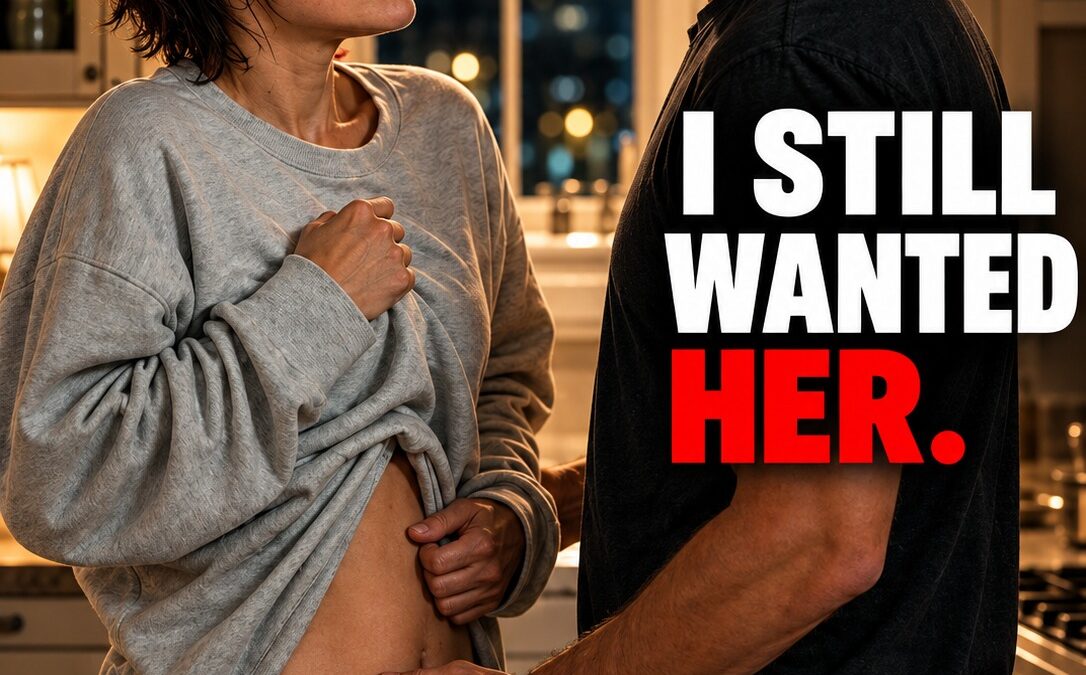
“No One Wants Me,” She Whispered, Lifting Her Shirt. I Stepped Closer and Said, “I Do.”
The night Sophie Hale stood in my kitchen and whispered, “No one wants me,” she was barefoot, exhausted, and holding herself together with the kind of control that usually breaks all at once.
What happened after that changed both our lives. But to explain it properly, I have to start a little earlier, back when she first came home.
My name is Noah Bennett. I’m 34, and I run a small custom furniture and restoration shop in Asheville, North Carolina. Most of my days are simple. Sawdust, measurements, coffee that gets cold too fast, clients who say they want rustic and then panic when wood looks like wood.
It’s a quiet life, predictable, solid.
Which is probably why Sophie’s return hit me as hard as it did.
I’d known her since we were 13. Same street, same school, same bad summer jobs. She was my little sister Rachel’s best friend first, then mine by default, then mine by choice.
Sophie had always been the loudest laugh in the room, the girl who talked with her whole face, who stole fries off your plate and then told you your taste in music was embarrassing.
At 26, she moved to Charlotte, got into marketing, got engaged to a man named Carter who wore expensive watches and the expression of someone permanently impressed with himself.
At 33, she came back home alone.
I found that out on a Thursday morning because Rachel called me before 8:00 and said, “Don’t say anything stupid when you see her.”
“That’s a weirdly specific warning.”
“She’s staying at her mom’s place for a while.”
“Okay.”
“Noah.” Rachel’s voice changed a little. “She had surgery, and Carter’s gone.”
That got my attention.
“What kind of surgery?”
Rachel hesitated.
“Breast cancer. They caught it early, but it was rough. She doesn’t want everyone knowing details, so keep your mouth shut and just be normal.”
Be normal.
People say that like it’s simple.
It isn’t.
When the girl you used to know by the sound of her laugh comes back carrying something heavy enough to bend the air around her.
I saw Sophie that afternoon outside her mother’s house, standing beside an open SUV with two cardboard boxes in her arms.
Her hair, once dark and halfway down her back, was now a soft, short crop just past her ears. Beautiful still, just different. She looked thinner, too, sharper around the shoulders, and there was a caution in her face I had never seen before.
She spotted me walking up the driveway and gave me a smile so practiced it hurt.
“Hey, Bennett.”
There she was. Still calling me by my last name like we were 17.
I took the boxes from her before she could protest.
“Hey yourself. They warned me you lived next door to adulthood now.”
“I don’t. I rent a room from it.”
That got a real smile. Small, but real.
“Good, I’ll take it.”
Inside the house, everything smelled faintly like cardboard and lemon cleaner. She had clearly only unpacked the basics. A lamp in the corner, a half-empty mug on the counter, pill bottles near the sink lined up with the kind of precision that says a person is trying very hard not to fall behind.
I set the boxes down and asked, “Need help with the rest?”
“I can manage.”
“Not what I asked.”
Her eyes flicked to mine, measuring.
Then she said, “Maybe with the bookshelf.”
The bookshelf turned into the couch. The couch turned into two kitchen chairs she pretended she could lift by herself.
An hour later, I was opening a stubborn window in the guest room while Sophie stood behind me giving deeply unhelpful commentary.
“You always liked feeling useful.”
“I am useful.”
“You’re bossy.”
“You’re welcome.”
That earned another small smile.
By the time I left, she was sitting cross-legged on the living room floor surrounded by framed photos she hadn’t decided whether to keep out or put away.
One of them was from her engagement shoot. I knew because Carter was in it, smiling like a man advertising cufflinks.
Sophie turned the frame face down the second she noticed me looking.
I pretended not to notice that.
Over the next two weeks, I saw her more than I had in years.
At first because Rachel dragged me into it.
Go check her porch light. Carry this inside for her. She needs someone to pick up mulch.
Very subtle.
But after a while, Rachel didn’t have to ask.
Sophie started coming by the shop with coffee. I started fixing small things around the house she claimed she could do herself.
We slipped into a rhythm too easily, which should have worried me more than it did.
She was still funny, still sharp, still capable of insulting me in complete sentences while handing me a blueberry muffin she’d baked that morning.
But there were fractures now.
She flinched when people asked casual questions like, “So how long are you in town?”.
PART 2
She flinched when people asked casual questions like, “So how long are you in town?”
She hated mirrors in fitting rooms.
She stopped swimming even though she used to love it.
And whenever someone mentioned Carter, something behind her eyes closed.
I never asked.
Rachel did enough asking for both of us.
One Saturday afternoon, the three of us were sitting on Sophie’s mother’s back deck eating sandwiches when Rachel finally lost patience.
“So are we all pretending Carter dropped off the planet?”
Sophie stopped chewing.
I looked at my sister.
Rachel immediately knew she had pushed too hard.
“What?”
Sophie asked.
“Nothing.”
“No, go ahead.”
Rachel put down her sandwich.
“I just hate him.”
“That’s healthy.”
“I’m serious.”
“So am I.”
Sophie looked toward the yard.
Her mother had planted hydrangeas along the fence twenty years earlier.
They were beginning to turn brown with fall.
Rachel softened.
“He left while you were sick.”
Sophie’s jaw tightened.
“He left afterward.”
“That’s not better.”
“No.”
“What did he say?”
I stood.
“I’m getting another beer.”
Rachel looked at me.
Coward.
Her eyes said it clearly.
I ignored her.
By the time I came back outside, Sophie was gone.
Rachel looked guilty.
“You pushed.”
“I know.”
“Why?”
“Because she keeps acting like what happened was normal.”
“Maybe she’s not ready to call it something else.”
Rachel rubbed her forehead.
“I hate when you’re reasonable.”
“Most people do.”
I found Sophie twenty minutes later.
Not because I went looking for her.
That mattered.
I went back to my shop because a client had texted about a table delivery.
Sophie was sitting on the loading dock behind the building.
Her knees were pulled toward her chest.
A paper coffee cup rested beside her.
I stopped several feet away.
“You planning to steal lumber?”
“Depends. Is walnut still expensive?”
“Very.”
“Then yes.”
I leaned against the brick wall.
For a while, neither of us said anything.
Traffic hummed beyond the alley.
Somebody two buildings down was running a circular saw.
Finally Sophie said,
“He didn’t leave because I had cancer.”
I waited.
“He stayed through the surgery.”
Her voice had gone flat.
“Drove me to appointments. Talked to doctors. Told everyone how strong I was.”
“That sounds decent.”
“It looked decent.”
There was the distinction.
I understood it immediately.
“What happened?”
Sophie stared at the coffee cup.
“I had a bilateral mastectomy.”
I knew that.
Rachel had told me only because she thought I needed enough information not to accidentally say something stupid.
I had not known whether Sophie knew I knew.
So I said nothing.
She continued.
“The doctors gave me options afterward. Reconstruction immediately. Reconstruction later. Maybe none.”
She picked at the cardboard sleeve around the cup.
“I couldn’t decide.”
“Reasonable.”
“Carter didn’t think so.”
My jaw tightened.
“What did he think?”
“He thought I should do reconstruction as soon as possible.”
There was a pause.
“He said it would help me feel normal.”
I hated that word immediately.
Sophie laughed without humor.
“He kept saying normal.”
She looked toward me.
“You know what’s funny?”
“Probably not.”
“Before surgery, I thought the worst part would be losing my breasts.”
Her voice broke slightly.
“It wasn’t.”
I stayed still.
“The worst part was realizing how many people thought losing them meant I’d lost something else too.”
She pressed her lips together.
“Femininity. Sexuality. Value. Whatever.”
I said quietly,
“You didn’t.”
“I know that intellectually.”
That answer hurt more than if she had disagreed.
“What happened with Carter?”
She looked away again.
“Six weeks after surgery, I finally let him see me.”
I felt my hands curl slightly against the brick.
“He didn’t say anything terrible.”
She laughed once.
“That might have been easier.”
“What did he do?”
“He looked away.”
Two words.
That was enough.
“He tried to recover.”
She continued.
“Said he was overwhelmed. Said he needed time.”
Her fingers tightened around the cup.
“Then he stopped touching me.”
I closed my eyes briefly.
“He started sleeping later at the office.”
“Sophie—”
“Three months after my surgery, I found messages with another woman.”
I felt anger rise so fast I had to deliberately breathe through it.
“Rachel knows?”
“Only that he cheated.”
“Your mom?”
“No.”
“What happened when you confronted him?”
Sophie’s face changed.
She became almost embarrassed.
That told me the answer before she gave it.
“He cried.”
Of course he did.
“He told me he loved me.”
“Of course.”
“He said everything had been emotionally difficult for him.”
I pushed away from the wall.
“I’m going to need you to stop before I accidentally build a chair specifically designed to hit Carter with.”
That surprised a laugh out of her.
A real one.
Her eyes filled immediately afterward.
“See?”
She wiped them angrily.
“This is why I don’t talk about it.”
“Why?”
“Because everybody gets angry.”
“I’m allowed to be angry.”
“Then I have to comfort you.”
That stopped me.
She looked up.
There it was.
A boundary.
A very fair one.
I sat on the edge of the loading dock, leaving space between us.
“You don’t.”
“What?”
“You don’t have to make me feel better about what happened to you.”
She stared at me.
“I can handle being angry without turning it into your job.”
Her eyes dropped.
“Okay.”
We sat there for another ten minutes.
Then she stood.
“I should go apologize to Rachel.”
“You don’t owe Rachel an apology.”
“She looked guilty.”
“That’s because she was guilty.”
Sophie almost smiled.
“You really are a terrible brother.”
“Consistently.”
She picked up her coffee.
Then stopped.
“Noah?”
“Yeah?”
“Thank you for not saying I’m beautiful.”
I frowned.
“You are.”
“I know.”
She surprised me again.
Then she added,
“But I hate when people hear what happened and immediately rush to tell me I’m still beautiful.”
I understood.
“It makes it sound like beauty was the emergency.”
Her eyes lifted.
“Yes.”
Exactly.
I nodded.
“Then I won’t do that.”
She stared at me for a second.
Then she said quietly,
“That might be the nicest thing anyone has said to me since I came home.”
That night I did not sleep much.
Not because I suddenly discovered I had feelings for Sophie.
That would have been convenient.
The truth was worse.
I had known for years.
Maybe not consciously.
Maybe not in a way I had ever intended to act on.
But there had always been a part of me that noticed when she walked into a room.
A part that remembered what she ordered at diners.
A part that compared other people’s laughter to hers without meaning to.
Then she got engaged.
So I put that part away.
She belonged to someone else.
At least I thought she did.
Now she was back.
And hurt.
Which meant the last thing she needed was another man turning kindness into expectation.
So I became very careful.
Probably too careful.
Sophie noticed.
Three weeks later she was sitting on a workbench in my shop watching me repair a nineteenth-century chest when she said,
“You’re avoiding me.”
“I’m standing four feet away.”
“You know what I mean.”
“No.”
“Yes, you do.”
I kept sanding.
“You used to come by all the time.”
“I’m working.”
“You were working before.”
“Business improved.”
“Noah.”
I stopped.
She folded her arms.
“Did I make you uncomfortable?”
There was no good answer.
“No.”
“Then why are you acting weird?”
“I’m not.”
“You called Rachel last night instead of me to ask what kind of pizza I wanted.”
“That is evidence of efficiency.”
“It’s evidence of cowardice.”
I stared at her.
She smiled.
“See? Rachel and I talk.”
“Traitor.”
“She says you do this.”
“Do what?”
“Overthink yourself into paralysis.”
“My sister is not a reliable psychological resource.”
“She also says you once spent six months deciding whether to buy a truck.”
“That was a significant purchase.”
“It was twelve thousand dollars.”
“Exactly.”
Sophie hopped down from the workbench.
She came closer.
Not too close.
Just enough that I could smell her shampoo.
“Noah.”
“Yes?”
“If I did something that made this strange, I need you to tell me.”
“You didn’t.”
“Promise?”
“Yes.”
She studied me.
Then nodded.
“Good.”
She turned toward the door.
“Sophie.”
She stopped.
I knew I should let her go.
Instead I said,
“I’m trying not to confuse being there for you with wanting something from you.”
Her back went still.
Slowly, she turned.
“What do you want?”
That was the question.
I could have lied.
Instead I put the sandpaper down.
“You.”
Her face changed.
Not disgust.
Not fear.
Shock.
I continued before courage disappeared.
“I’ve wanted you in some version for longer than I should admit.”
She stared at me.
“But you just got out of something awful.”
I said.
“You’re recovering physically. You’re rebuilding your life. And I refuse to become the guy who helps you carry furniture for three weeks and then presents an invoice that says romance.”
For several seconds, Sophie said nothing.
Then her eyes filled.
That terrified me.
“Did I just ruin everything?”
“No.”
She laughed through the tears.
“No, you idiot.”
“That doesn’t sound reassuring.”
She wiped beneath one eye.
“You’re the first man who has told me he wants me and somehow made absolutely no move.”
“I’m very skilled.”
“That is not what I meant.”
I smiled despite myself.
She took another step closer.
Then stopped.
“This is complicated.”
“I know.”
“I don’t know what I’m ready for.”
“I know.”
“I might not be ready for anything.”
“Then nothing happens.”
Her eyes searched mine.
“You mean that?”
“Yes.”
“What if I never am?”
That one hurt.
But I answered honestly.
“Then I’ll still be here arguing with you about furniture.”
Sophie looked down.
“Okay.”
That was it.
No kiss.
No dramatic confession.
She left.
And for the next month, nothing changed.
Except everything did.
There was now a truth between us.
We did not have to keep pretending it wasn’t there.
Sometimes Sophie came to the shop.
Sometimes I went to her mother’s house.
Sometimes we had dinner with Rachel.
Once Sophie fell asleep on my couch during a movie and I covered her with a blanket and slept in the chair because waking her felt cruel.
She made fun of me the next morning.
“You could have gone to bed.”
“You were on my couch.”
“I wasn’t holding it hostage.”
“You snore.”
Her mouth dropped open.
“I do not.”
“You absolutely do.”
“Liar.”
It felt almost normal.
Then Carter came back.
Of course he did.
Men like Carter often mistook a woman healing without them for an invitation to return.
He showed up at Sophie’s mother’s house on a Wednesday afternoon carrying flowers.
Sophie called me twenty minutes later.
Not crying.
Angry.
“Can you come over?”
I was already grabbing my keys.
When I arrived, Carter stood on the front porch.
Expensive camel coat.
Perfect hair.
A black SUV parked behind mine.
Sophie stood inside the doorway with her arms folded.
Her mother hovered behind her looking furious.
Carter turned when he saw me.
Recognition crossed his face.
“Noah Bennett.”
We had met twice years earlier.
Apparently I had been memorable.
“Carter.”
His smile was polite.
That made me dislike him more.
“This is private.”
I looked at Sophie.
“Is it?”
“No.”
she said.
Carter’s jaw tightened.
“I came to apologize.”
Sophie laughed.
“You came without asking.”
“I’ve been trying to reach you.”
“I blocked you.”
“I noticed.”
“That was information.”
Carter’s eyes flicked toward me.
“So this is why.”
Sophie went still.
I felt it too.
The implication.
Her recovery.
Her leaving.
Her boundaries.
All of it reduced to another man.
She said quietly,
“No.”
Carter ignored her.
He looked at me.
“How long?”
I did not answer.
Sophie stepped outside.
“Look at me.”
Carter did.
“This has nothing to do with Noah.”
He laughed.
“Come on.”
“You cheated on me.”
“I made a mistake.”
“You made many.”
“I was scared.”
“So was I.”
Her voice cracked.
That silenced him.
She continued.
“I was the one with cancer.”
Carter looked down.
“I know.”
“No, you don’t.”
She stepped closer.
“You got scared looking at my body.”
“I was scared of losing you.”
“You were disgusted.”
“I was shocked.”
“You looked away.”
His face tightened.
“I apologized for that.”
“You apologized and then slept with somebody else.”
“I was messed up.”
“So was I.”
For the first time, Carter did not have an answer ready.
Sophie looked at the flowers.
“Take those.”
“Sophie—”
“Take them.”
He bent down slowly and picked them up.
Then his eyes moved to me again.
Something ugly appeared there.
“You really think he wants this?”
Sophie froze.
I stepped forward.
Carter saw it and smiled.
There it was.
The grenade.
“He hasn’t seen everything yet, has he?”
Sophie went white.
My entire body went cold.
Carter continued.
“Easy to play hero when you haven’t had to actually deal with—”
“Leave.”
My voice sounded strange even to me.
He looked at me.
I took one more step.
“Now.”
“Noah.”
Sophie’s voice stopped me.
Not because she was protecting Carter.
Because she was protecting herself from another scene.
I stepped back.
Carter gave a small, satisfied smile.
Then looked at Sophie.
“When this fantasy ends, call me.”
She shut the door in his face.
The flowers hit the porch a second later.
For ten seconds, Sophie stood perfectly still.
Then she walked into the kitchen.
I followed.
Her mother remained in the living room.
She knew enough to give us space.
Sophie gripped the edge of the counter.
“Don’t.”
I stopped.
“Don’t what?”
“Tell me he’s an asshole.”
“He is.”
“I know.”
“Okay.”
“Don’t tell me you don’t care what I look like.”
I swallowed.
“All right.”
“And don’t touch me.”
“I won’t.”
Her shoulders began shaking.
I stood six feet away and did absolutely nothing.
It was one of the hardest things I had ever done.
Finally she whispered,
“He’s right about one thing.”
“No.”
“You don’t know.”
“Then tell me.”
She turned.
Her face was wet.
“What if you see me and everything changes?”
I knew exactly what she meant.
“Sophie—”
“No.”
She shook her head violently.
“You keep saying you want me.”
“I do.”
“You want the version you remember.”
“That’s not true.”
“You don’t know that.”
Her breathing grew faster.
“You remember me at twenty-five. Twenty-six. Before hospitals. Before scars.”
I said nothing.
She looked trapped by her own thoughts.
Then suddenly she grabbed the hem of her sweater.
“Sophie.”
She pulled it upward.
Not seductively.
Not slowly.
Like she was ripping off a bandage.
Beneath it was a soft cotton camisole.
Then she lifted that too.
I understood what she was doing a second before it happened.
I also understood she was not showing me her body because she wanted intimacy.
She was showing me because she wanted judgment finished.
So I did not rush toward her.
I looked.
Because looking away would have been its own answer.
Her chest bore the evidence of surgery.
Flat contours.
Long healed scars.
Small areas where the skin pulled differently.
A body that had survived something brutal.
Sophie’s hands were shaking.
Her face twisted.
“There.”
she whispered.
“No breasts. Scars. Numbness in half my chest.”
Her voice broke.
“This is what he couldn’t stand looking at.”
I felt something inside me crack.
Not because of the scars.
Because she had been taught to present them like evidence against herself.
“No one wants me.”
she whispered.
And that was the moment everything changed.
PART 3
I stepped closer.
Slowly.
Not touching her.
Not yet.
Sophie stood there with tears sliding down her face, arms trembling from holding the fabric up.
I looked directly into her eyes.
“I do.”
She stopped breathing.
I said it again.
“I do.”
Her mouth trembled.
“You don’t have to say that.”
“I know.”
“You feel sorry for me.”
“No.”
“You’re trying to fix this.”
“No.”
“Noah—”
“I want you.”
The words came quietly.
No performance.
No speech.
“I want the woman who steals fries.”
A tear slid off her jaw.
“The woman who insulted my music for fifteen straight years.”
“I was right.”
she whispered.
“Terrible timing.”
That almost made her laugh.
I continued.
“I want the woman who still thinks she can carry furniture she absolutely cannot carry.”
Her face crumpled.
“The woman who got cancer and survived.”
I swallowed.
“The woman who came home different because nobody goes through that and stays exactly the same.”
I looked at her chest again.
Then back at her face.
“And yes, Sophie, I want this body too.”
Her eyes closed.
“But I need you to hear something.”
She opened them.
“You never had to show me.”
That hit her.
Hard.
Her hands lowered.
I reached out.
Then stopped before touching her.
“Can I?”
She nodded.
I gently pulled her camisole and sweater back down.
That was all.
I did not kiss her.
I did not touch her scars.
I did not turn the moment into sex because it wasn’t about sex.
I put my hands lightly on her shoulders.
“You do not have to audition for me.”
She started crying then.
Completely.
All at once.
The control disappeared.
I pulled her against me only when she stepped forward first.
She buried her face against my chest.
“I hate him.”
she sobbed.
“I know.”
“I hate that he made me hate myself.”
“I know.”
“I hate that I care what you think.”
“That one I understand.”
She hit my shoulder weakly.
“Shut up.”
“Okay.”
She cried for a long time.
Her mother eventually disappeared upstairs.
Rachel arrived without being called.
I still don’t know how.
Probably maternal telepathy between women who had known Sophie their entire lives.
She walked into the kitchen, saw us, and immediately backed out.
“Never mind.”
Sophie laughed into my shirt.
That saved us.
Later, after she had washed her face and eaten half a grilled cheese, I drove home.
I did not ask if we were together now.
She did not ask either.
Healing is not a contract signed because somebody says the right thing in a kitchen.
The next morning, Sophie texted me.
Thank you for last night.
I replied:
Your mother makes terrible grilled cheese.
Three dots appeared.
Then:
I showed you my scars and THAT’S your takeaway?
I smiled at the phone.
I wrote:
I had other takeaways.
She responded:
Coward.
Things changed after that.
Slowly.
The first time I kissed Sophie happened two weeks later.
We were in my workshop.
She had spent an hour pretending to help me stain a dining table and had somehow gotten stain on her cheek despite never touching the stain.
I wiped it away with my thumb.
She went quiet.
So did I.
“Can I kiss you?”
I asked.
Her eyes softened.
“You ask too many questions.”
“That is not an answer.”
“Yes.”
I kissed her.
Nothing cinematic happened.
No thunder.
No music.
My shop smelled like mineral spirits and cedar.
Somebody outside started a leaf blower halfway through.
It was still one of the best moments of my life.
Sophie pulled away first.
Her eyes were wet.
I froze.
“Wrong?”
“No.”
“Too much?”
“No.”
“Then why are you crying?”
She laughed.
“Because you asked.”
That was when I understood how much Carter had taken without permission.
Not physically.
In smaller ways.
Assumptions.
Pressure.
Expectation.
Sophie had spent years performing comfort so other people did not have to ask.
I intended never to make that easy for myself.
Our relationship grew in awkward increments.
Dinner.
Movies.
Long drives.
A weekend in Boone where it rained almost the entire time and Sophie beat me at Scrabble so badly I considered reporting fraud.
Physical intimacy took longer.
That was fine.
The first time she let me touch her chest, months had passed since the kitchen.
We were in my bedroom.
She caught my wrist before my hand reached her camisole.
“Wait.”
I stopped immediately.
She looked at me.
“I don’t always feel everything.”
“Okay.”
“Some areas are numb.”
“Okay.”
“And sometimes I hate being touched there.”
“Okay.”
She frowned.
“Stop saying okay.”
“What should I say?”
“I don’t know.”
“Okay.”
She laughed.
Then she kissed me.
That night was not about proving anything.
Not that she was still desirable.
Not that I was more compassionate than Carter.
Not that cancer had some beautiful lesson hidden inside it.
Cancer was awful.
Surgery was awful.
Carter had been cruel.
There was no need to turn any of it into poetry.
What mattered was that Sophie began to learn her body belonged entirely to her again.
Some nights she wanted closeness.
Some nights she did not.
Neither one changed how I treated her the next morning.
That mattered more than I expected.
Then Carter made his second appearance.
This time, he did not come to Sophie.
He came to me.
It was nearly closing time when his black SUV pulled up outside the shop.
He walked in wearing a navy suit.
I did not put down the chisel in my hand.
“Lost?”
“No.”
He looked around.
The unfinished cabinets.
The stacked lumber.
The old radio.
“So this is it.”
I stared at him.
“What do you want?”
“To help you.”
I laughed.
“That would be new.”
He ignored it.
“I know Sophie.”
“So do I.”
“No.”
His voice sharpened.
“You knew the old Sophie.”
I put the chisel down.
“I am going to give you one opportunity not to say something stupid.”
“She’s fragile.”
“No.”
“She has nightmares.”
“I know.”
“She gets depressed.”
“Sometimes.”
“She’ll push you away for no reason.”
“Usually there’s a reason.”
Carter’s jaw tightened.
“You think you understand because she’s been playing happy little hometown girlfriend for a few months?”
I walked around the bench.
“No.”
“I understand because she tells me when she’s not okay.”
He laughed.
“For now.”
“What exactly are you doing here?”
His expression changed.
Something almost desperate moved through it.
“I want her back.”
There it was.
“You’re telling the wrong person.”
“She won’t speak to me.”
“That sounds intentional.”
“I made a mistake.”
“You had an affair.”
“I panicked.”
“You punished her because you panicked.”
His face hardened.
“You’re enjoying this.”
“No.”
I genuinely wasn’t.
“I actually wish you would disappear.”
He looked down.
Then said something unexpected.
“I was going to marry her.”
“You were engaged.”
“I had a ring.”
“I understand how engagement works.”
“No.”
He looked at me.
“I mean I bought another ring.”
I frowned.
“After surgery.”
He reached into his pocket.
Pulled out a small box.
I did not touch it.
“I was going to propose again.”
I stared.
“That may be the stupidest thing I’ve ever heard.”
“I wanted a reset.”
“She didn’t need a reset.”
“I know that now.”
He sounded tired.
For the first time, he did not look expensive.
He looked pathetic.
“I got scared.”
he said.
“Every time I looked at her, I remembered the hospital.”
I said nothing.
“I thought the woman I loved was disappearing.”
“She was right there.”
“I know.”
“Apparently you didn’t.”
Carter closed the box.
“I cheated because another woman made me feel normal.”
I felt disgust move through me.
“At least you’re finally honest.”
“I hated myself for it.”
“Good.”
His eyes snapped toward mine.
“That doesn’t mean I don’t deserve another chance.”
“No.”
I shook my head.
“It means guilt has correctly identified you.”
That one landed.
He looked toward the door.
Then back.
“Tell her I came.”
“No.”
“What?”
“If you need Sophie to know something, contact her in whatever way she has allowed.”
“She blocked me.”
“Then there’s your answer.”
He stepped closer.
“You really think you’re going to marry her?”
I felt a strange calm.
“I have no idea.”
That surprised him.
“I know I love her.”
I continued.
“But loving someone is not a reservation.”
He stared.
I opened the workshop door.
“Leave.”
This time he did.
I told Sophie that night.
Everything.
Including the ring.
She was quiet for a long time.
Then she asked,
“Did you want to punch him?”
“Yes.”
“Thank you for not doing it.”
“You’re welcome.”
She leaned back against my couch.
“I used to imagine him coming back.”
I said nothing.
“In those versions, I looked amazing.”
“You look amazing.”
“Shut up.”
“Fair.”
She smiled.
“I’d open the door wearing something expensive.”
“Reasonable.”
“He would beg.”
“Naturally.”
“And I’d tell him it was too late.”
She paused.
“But when he actually came back, I didn’t feel powerful.”
“What did you feel?”
“Tired.”
That made sense.
She looked at me.
“I don’t want revenge anymore.”
“Good.”
“I want him irrelevant.”
I nodded.
“That’s better.”
Months passed.
Sophie began working again.
Not in Charlotte.
A local outdoor company in Asheville hired her to lead brand strategy.
The first week, she called me from the parking lot every morning.
Not because she needed permission to go in.
Because she needed somewhere to put the fear.
By week three, she stopped calling.
That was progress.
She also started therapy.
That was her decision.
Not mine.
Not Rachel’s.
Not her mother’s.
One afternoon she came into the shop holding a brochure.
“I made an appointment.”
“For?”
“Reconstruction consultation.”
I kept my expression neutral.
“How do you feel?”
“Terrified.”
“Do you want reconstruction?”
“I don’t know.”
“Then the appointment can help you decide.”
She studied me.
“You don’t have an opinion?”
“I have lots of opinions.”
“Of course.”
“But this one does not belong to me.”
Her eyes softened.
Later she decided against reconstruction.
Six months after that, she reconsidered.
Then changed her mind again.
Eventually she chose a smaller reconstructive procedure for herself.
Not Carter.
Not me.
Herself.
When she woke after surgery, Rachel was on one side of the hospital bed.
I was on the other.
Sophie looked at me through anesthesia fog and whispered,
“Do I look hot?”
Rachel burst out laughing.
I said,
“You look medicated.”
Sophie frowned.
“Wrong answer.”
Then fell asleep.
A year after she came home, I built her a dining table.
Not because she needed one.
Because I wanted to.
Black walnut.
Simple lines.
No elaborate ornament.
Underneath, where nobody could see, I carved a small sentence.
She discovered it while helping me carry it into her house.
She crouched down.
Read it.
Then looked at me.
YOU NEVER HAD TO PROVE IT.
Her eyes filled immediately.
“You jerk.”
“What?”
“You knew I’d cry.”
“I suspected.”
She stood.
“You put this under the table?”
“Yes.”
“Why?”
“Because nobody else needs to see it.”
That was when she kissed me.
Hard.
Right in front of Rachel.
My sister groaned.
“Oh, come on. I live three streets away. I could have stayed home.”
Sophie flipped her off without breaking the kiss.
There she was.
The laugh came back too.
Not exactly the same.
Nothing was exactly the same.
But Sophie stopped measuring recovery by whether she became the woman she used to be.
That woman had survived things she did not know were coming.
This woman knew what she had survived.
There was strength in both.
Two years after the night in the kitchen, I proposed.
Quietly.
No restaurant.
No crowd.
No hidden photographer.
We were at the shop after hours.
Sophie was sitting on the same workbench where she had first accused me of avoiding her.
I handed her a small wooden box.
She looked suspicious.
“What did you break?”
“My dignity, probably.”
She opened it.
Inside was a ring.
Simple.
Vintage.
The center stone had belonged to my grandmother.
Sophie stared.
Then looked at me.
“You’re supposed to kneel.”
“I have bad knees.”
“You’re thirty-six.”
“Furniture making ages you.”
She laughed.
Then I did kneel.
Because she was right.
“Sophie Hale.”
Her eyes filled.
“You have been my friend since I was thirteen.”
I took her hand.
“You’ve annoyed me for almost all of those years.”
“Great proposal.”
“I’m building.”
She smiled through tears.
“I loved you before I was smart enough to call it love.”
Her face changed.
“I loved you when you left.”
I said.
“I loved you when you came home.”
Her hand tightened around mine.
“And I love who you are now.”
I swallowed.
“I don’t want to save you.”
“You already saved me from carrying a couch.”
“True.”
“I don’t want to complete you.”
“Good. That sounds exhausting.”
“I just want to build a life beside you.”
Now I was crying too.
Annoying.
“Will you marry me?”
She looked at the ring.
Then at me.
And said,
“Ask me one more question.”
I frowned.
“What?”
She smiled.
“You always ask permission.”
I understood.
“Can I put the ring on your finger?”
She laughed through the tears.
“Yes.”
Then,
“Yes to the other thing too, idiot.”
We married the following spring.
Small ceremony.
Her mother’s backyard.
Rachel cried harder than either of us.
Sophie wore a simple ivory dress.
No padding.
No attempt to make her body resemble whatever strangers expected beneath the fabric.
Just Sophie.
When she walked toward me, I remembered the kitchen.
Bare feet.
Shaking hands.
Her shirt lifted like she was displaying evidence at a trial.
No one wants me.
I remembered stepping closer.
I do.
But years later, I understood that was never the most important part of the story.
My wanting her did not give Sophie value.
My love did not repair what cancer took.
I did not heal her.
She did that work herself.
Piece by piece.
Therapy.
Anger.
Grief.
Laughter.
Bad mornings.
Good ones.
Learning to be touched again.
Learning to say no.
Learning to believe that somebody leaving was not proof she had become unlovable.
My role was smaller.
And better.
I stayed.
Not heroically.
Not perfectly.
Just consistently.
On the morning of our wedding, Sophie handed me a folded note before the ceremony.
I still keep it in my desk.
It said:
You once told me I never had to prove anything to you.
It took me a long time to understand I never had to prove anything to myself either.
My body is not evidence that something went wrong with me.
It is evidence that something happened to me.
I survived it.
Thank you for loving me without making survival the price of being loved.
S.
I read that note whenever people tell our story wrong.
Sometimes Rachel tells it as a romance.
Her best friend came home.
Her brother had secretly loved her forever.
Cancer exposed the wrong man.
Home revealed the right one.
It sounds nice.
But life is not that neat.
Cancer did not happen so Sophie could find me.
Carter did not betray her so I could become the better man.
Pain is not a matchmaking service.
Sometimes terrible things are simply terrible.
The meaning comes later, in what people choose to build after them.
Sophie built herself again.
Not the old version.
Not the version Carter wanted.
Not even the version I remembered.
Someone new.
Someone who still steals my fries.
Still hates my music.
Still tries to carry furniture she has no business carrying.
Someone whose scars faded but never vanished.
Someone who sometimes stands in front of the mirror and has a hard day.
On those days, I do not tell her she is beautiful until she believes me.
I make coffee.
I sit nearby.
I let her decide what she needs.
And sometimes she looks at me and says,
“Remember the kitchen?”
I always do.
“Unfortunately.”
She throws something at me.
Then she asks,
“What would you have done if I’d told you to leave?”
The answer has never changed.
“I would have left.”
She usually nods.
Because that is still part of love too.
Not just staying.
Knowing when you have no right to.
We have been married six years now.
Sophie is forty-one.
I am forty-two.
Rachel claims we are both getting old.
Rachel is wrong about many things.
Carter eventually married someone else.
I know because Asheville is not large enough for anyone’s business to remain private forever.
Sophie heard the news.
She said,
“I hope he learned something.”
That was all.
No anger.
No satisfaction.
Nothing.
She had gotten what she wanted.
He became irrelevant.
Last year, Sophie spoke at a small breast-cancer support event.
I sat in the back.
She talked about diagnosis.
Surgery.
Body image.
Relationships.
The strange pressure survivors sometimes feel to become inspirational before they have even had time to become angry.
At the end, a younger woman raised her hand.
She had a scarf over her head.
Maybe thirty.
Maybe younger.
She asked,
“How did you learn to feel like a woman again?”
Sophie was quiet for a moment.
Then she said,
“I stopped treating womanhood like something surgery could remove.”
The room went completely silent.
She continued.
“I spent months asking whether someone else could still want me.”
Her eyes found mine in the back row.
“Eventually I realized I had been asking the wrong question.”
The woman waited.
Sophie smiled.
“The real question was whether I could stop abandoning myself just because somebody else had.”
I looked down because suddenly the floor became fascinating.
Afterward, in the parking lot, Sophie caught me wiping my eyes.
“You cried.”
“Allergies.”
“In January?”
“Very aggressive pollen.”
She laughed.
That laugh.
The one I had known since we were thirteen.
Older now.
Deeper.
Still hers.
She slipped her hand into mine.
And walking toward the truck, I thought about the first time she came home.
The practiced smile.
The pill bottles lined up by the sink.
The engagement photograph turned face down.
I thought about the kitchen.
Her trembling hands.
The scars.
The sentence that had nearly broken her.
No one wants me.
Back then, I answered with the simplest truth I knew.
I do.
Today, if I could return to that kitchen, I would still say it.
But I would add something.
I would tell her:
I want you.
Rachel wants you.
Your mother wants you.
There are friends you have not met yet who will want you in their lives.
There are women you will help someday who will remember your words for years.
But none of us can answer the question that matters most.
You have to choose yourself too.
Because love should never be the thing that proves you deserve to exist in the body that survived.
And once Sophie understood that, Carter had lost the last thing he had ever taken from her.
Not her body.
Not her future.
Not even her trust.
The last thing he lost was the power to decide what she saw when she looked at herself.
And that was the moment she truly came home.
::
PART 2
She flinched when people asked casual questions like, “So how long are you in town?”
She hated mirrors in fitting rooms.
She stopped swimming even though she used to love it.
And whenever someone mentioned Carter, something behind her eyes closed.
I never asked.
Rachel did enough asking for both of us.
One Saturday afternoon, the three of us were sitting on Sophie’s mother’s back deck eating sandwiches when Rachel finally lost patience.
“So are we all pretending Carter dropped off the planet?”
Sophie stopped chewing.
I looked at my sister.
Rachel immediately knew she had pushed too hard.
“What?”
Sophie asked.
“Nothing.”
“No, go ahead.”
Rachel put down her sandwich.
“I just hate him.”
“That’s healthy.”
“I’m serious.”
“So am I.”
Sophie looked toward the yard.
Her mother had planted hydrangeas along the fence twenty years earlier.
They were beginning to turn brown with fall.
Rachel softened.
“He left while you were sick.”
Sophie’s jaw tightened.
“He left afterward.”
“That’s not better.”
“No.”
“What did he say?”
I stood.
“I’m getting another beer.”
Rachel looked at me.
Coward.
Her eyes said it clearly.
I ignored her.
By the time I came back outside, Sophie was gone.
Rachel looked guilty.
“You pushed.”
“I know.”
“Why?”
“Because she keeps acting like what happened was normal.”
“Maybe she’s not ready to call it something else.”
Rachel rubbed her forehead.
“I hate when you’re reasonable.”
“Most people do.”
I found Sophie twenty minutes later.
Not because I went looking for her.
That mattered.
I went back to my shop because a client had texted about a table delivery.
Sophie was sitting on the loading dock behind the building.
Her knees were pulled toward her chest.
A paper coffee cup rested beside her.
I stopped several feet away.
“You planning to steal lumber?”
“Depends. Is walnut still expensive?”
“Very.”
“Then yes.”
I leaned against the brick wall.
For a while, neither of us said anything.
Traffic hummed beyond the alley.
Somebody two buildings down was running a circular saw.
Finally Sophie said,
“He didn’t leave because I had cancer.”
I waited.
“He stayed through the surgery.”
Her voice had gone flat.
“Drove me to appointments. Talked to doctors. Told everyone how strong I was.”
“That sounds decent.”
“It looked decent.”
There was the distinction.
I understood it immediately.
“What happened?”
Sophie stared at the coffee cup.
“I had a bilateral mastectomy.”
I knew that.
Rachel had told me only because she thought I needed enough information not to accidentally say something stupid.
I had not known whether Sophie knew I knew.
So I said nothing.
She continued.
“The doctors gave me options afterward. Reconstruction immediately. Reconstruction later. Maybe none.”
She picked at the cardboard sleeve around the cup.
“I couldn’t decide.”
“Reasonable.”
“Carter didn’t think so.”
My jaw tightened.
“What did he think?”
“He thought I should do reconstruction as soon as possible.”
There was a pause.
“He said it would help me feel normal.”
I hated that word immediately.
Sophie laughed without humor.
“He kept saying normal.”
She looked toward me.
“You know what’s funny?”
“Probably not.”
“Before surgery, I thought the worst part would be losing my breasts.”
Her voice broke slightly.
“It wasn’t.”
I stayed still.
“The worst part was realizing how many people thought losing them meant I’d lost something else too.”
She pressed her lips together.
“Femininity. Sexuality. Value. Whatever.”
I said quietly,
“You didn’t.”
“I know that intellectually.”
That answer hurt more than if she had disagreed.
“What happened with Carter?”
She looked away again.
“Six weeks after surgery, I finally let him see me.”
I felt my hands curl slightly against the brick.
“He didn’t say anything terrible.”
She laughed once.
“That might have been easier.”
“What did he do?”
“He looked away.”
Two words.
That was enough.
“He tried to recover.”
She continued.
“Said he was overwhelmed. Said he needed time.”
Her fingers tightened around the cup.
“Then he stopped touching me.”
I closed my eyes briefly.
“He started sleeping later at the office.”
“Sophie—”
“Three months after my surgery, I found messages with another woman.”
I felt anger rise so fast I had to deliberately breathe through it.
“Rachel knows?”
“Only that he cheated.”
“Your mom?”
“No.”
“What happened when you confronted him?”
Sophie’s face changed.
She became almost embarrassed.
That told me the answer before she gave it.
“He cried.”
Of course he did.
“He told me he loved me.”
“Of course.”
“He said everything had been emotionally difficult for him.”
I pushed away from the wall.
“I’m going to need you to stop before I accidentally build a chair specifically designed to hit Carter with.”
That surprised a laugh out of her.
A real one.
Her eyes filled immediately afterward.
“See?”
She wiped them angrily.
“This is why I don’t talk about it.”
“Why?”
“Because everybody gets angry.”
“I’m allowed to be angry.”
“Then I have to comfort you.”
That stopped me.
She looked up.
There it was.
A boundary.
A very fair one.
I sat on the edge of the loading dock, leaving space between us.
“You don’t.”
“What?”
“You don’t have to make me feel better about what happened to you.”
She stared at me.
“I can handle being angry without turning it into your job.”
Her eyes dropped.
“Okay.”
We sat there for another ten minutes.
Then she stood.
“I should go apologize to Rachel.”
“You don’t owe Rachel an apology.”
“She looked guilty.”
“That’s because she was guilty.”
Sophie almost smiled.
“You really are a terrible brother.”
“Consistently.”
She picked up her coffee.
Then stopped.
“Noah?”
“Yeah?”
“Thank you for not saying I’m beautiful.”
I frowned.
“You are.”
“I know.”
She surprised me again.
Then she added,
“But I hate when people hear what happened and immediately rush to tell me I’m still beautiful.”
I understood.
“It makes it sound like beauty was the emergency.”
Her eyes lifted.
“Yes.”
Exactly.
I nodded.
“Then I won’t do that.”
She stared at me for a second.
Then she said quietly,
“That might be the nicest thing anyone has said to me since I came home.”
That night I did not sleep much.
Not because I suddenly discovered I had feelings for Sophie.
That would have been convenient.
The truth was worse.
I had known for years.
Maybe not consciously.
Maybe not in a way I had ever intended to act on.
But there had always been a part of me that noticed when she walked into a room.
A part that remembered what she ordered at diners.
A part that compared other people’s laughter to hers without meaning to.
Then she got engaged.
So I put that part away.
She belonged to someone else.
At least I thought she did.
Now she was back.
And hurt.
Which meant the last thing she needed was another man turning kindness into expectation.
So I became very careful.
Probably too careful.
Sophie noticed.
Three weeks later she was sitting on a workbench in my shop watching me repair a nineteenth-century chest when she said,
“You’re avoiding me.”
“I’m standing four feet away.”
“You know what I mean.”
“No.”
“Yes, you do.”
I kept sanding.
“You used to come by all the time.”
“I’m working.”
“You were working before.”
“Business improved.”
“Noah.”
I stopped.
She folded her arms.
“Did I make you uncomfortable?”
There was no good answer.
“No.”
“Then why are you acting weird?”
“I’m not.”
“You called Rachel last night instead of me to ask what kind of pizza I wanted.”
“That is evidence of efficiency.”
“It’s evidence of cowardice.”
I stared at her.
She smiled.
“See? Rachel and I talk.”
“Traitor.”
“She says you do this.”
“Do what?”
“Overthink yourself into paralysis.”
“My sister is not a reliable psychological resource.”
“She also says you once spent six months deciding whether to buy a truck.”
“That was a significant purchase.”
“It was twelve thousand dollars.”
“Exactly.”
Sophie hopped down from the workbench.
She came closer.
Not too close.
Just enough that I could smell her shampoo.
“Noah.”
“Yes?”
“If I did something that made this strange, I need you to tell me.”
“You didn’t.”
“Promise?”
“Yes.”
She studied me.
Then nodded.
“Good.”
She turned toward the door.
“Sophie.”
She stopped.
I knew I should let her go.
Instead I said,
“I’m trying not to confuse being there for you with wanting something from you.”
Her back went still.
Slowly, she turned.
“What do you want?”
That was the question.
I could have lied.
Instead I put the sandpaper down.
“You.”
Her face changed.
Not disgust.
Not fear.
Shock.
I continued before courage disappeared.
“I’ve wanted you in some version for longer than I should admit.”
She stared at me.
“But you just got out of something awful.”
I said.
“You’re recovering physically. You’re rebuilding your life. And I refuse to become the guy who helps you carry furniture for three weeks and then presents an invoice that says romance.”
For several seconds, Sophie said nothing.
Then her eyes filled.
That terrified me.
“Did I just ruin everything?”
“No.”
She laughed through the tears.
“No, you idiot.”
“That doesn’t sound reassuring.”
She wiped beneath one eye.
“You’re the first man who has told me he wants me and somehow made absolutely no move.”
“I’m very skilled.”
“That is not what I meant.”
I smiled despite myself.
She took another step closer.
Then stopped.
“This is complicated.”
“I know.”
“I don’t know what I’m ready for.”
“I know.”
“I might not be ready for anything.”
“Then nothing happens.”
Her eyes searched mine.
“You mean that?”
“Yes.”
“What if I never am?”
That one hurt.
But I answered honestly.
“Then I’ll still be here arguing with you about furniture.”
Sophie looked down.
“Okay.”
That was it.
No kiss.
No dramatic confession.
She left.
And for the next month, nothing changed.
Except everything did.
There was now a truth between us.
We did not have to keep pretending it wasn’t there.
Sometimes Sophie came to the shop.
Sometimes I went to her mother’s house.
Sometimes we had dinner with Rachel.
Once Sophie fell asleep on my couch during a movie and I covered her with a blanket and slept in the chair because waking her felt cruel.
She made fun of me the next morning.
“You could have gone to bed.”
“You were on my couch.”
“I wasn’t holding it hostage.”
“You snore.”
Her mouth dropped open.
“I do not.”
“You absolutely do.”
“Liar.”
It felt almost normal.
Then Carter came back.
Of course he did.
Men like Carter often mistook a woman healing without them for an invitation to return.
He showed up at Sophie’s mother’s house on a Wednesday afternoon carrying flowers.
Sophie called me twenty minutes later.
Not crying.
Angry.
“Can you come over?”
I was already grabbing my keys.
When I arrived, Carter stood on the front porch.
Expensive camel coat.
Perfect hair.
A black SUV parked behind mine.
Sophie stood inside the doorway with her arms folded.
Her mother hovered behind her looking furious.
Carter turned when he saw me.
Recognition crossed his face.
“Noah Bennett.”
We had met twice years earlier.
Apparently I had been memorable.
“Carter.”
His smile was polite.
That made me dislike him more.
“This is private.”
I looked at Sophie.
“Is it?”
“No.”
she said.
Carter’s jaw tightened.
“I came to apologize.”
Sophie laughed.
“You came without asking.”
“I’ve been trying to reach you.”
“I blocked you.”
“I noticed.”
“That was information.”
Carter’s eyes flicked toward me.
“So this is why.”
Sophie went still.
I felt it too.
The implication.
Her recovery.
Her leaving.
Her boundaries.
All of it reduced to another man.
She said quietly,
“No.”
Carter ignored her.
He looked at me.
“How long?”
I did not answer.
Sophie stepped outside.
“Look at me.”
Carter did.
“This has nothing to do with Noah.”
He laughed.
“Come on.”
“You cheated on me.”
“I made a mistake.”
“You made many.”
“I was scared.”
“So was I.”
Her voice cracked.
That silenced him.
She continued.
“I was the one with cancer.”
Carter looked down.
“I know.”
“No, you don’t.”
She stepped closer.
“You got scared looking at my body.”
“I was scared of losing you.”
“You were disgusted.”
“I was shocked.”
“You looked away.”
His face tightened.
“I apologized for that.”
“You apologized and then slept with somebody else.”
“I was messed up.”
“So was I.”
For the first time, Carter did not have an answer ready.
Sophie looked at the flowers.
“Take those.”
“Sophie—”
“Take them.”
He bent down slowly and picked them up.
Then his eyes moved to me again.
Something ugly appeared there.
“You really think he wants this?”
Sophie froze.
I stepped forward.
Carter saw it and smiled.
There it was.
The grenade.
“He hasn’t seen everything yet, has he?”
Sophie went white.
My entire body went cold.
Carter continued.
“Easy to play hero when you haven’t had to actually deal with—”
“Leave.”
My voice sounded strange even to me.
He looked at me.
I took one more step.
“Now.”
“Noah.”
Sophie’s voice stopped me.
Not because she was protecting Carter.
Because she was protecting herself from another scene.
I stepped back.
Carter gave a small, satisfied smile.
Then looked at Sophie.
“When this fantasy ends, call me.”
She shut the door in his face.
The flowers hit the porch a second later.
For ten seconds, Sophie stood perfectly still.
Then she walked into the kitchen.
I followed.
Her mother remained in the living room.
She knew enough to give us space.
Sophie gripped the edge of the counter.
“Don’t.”
I stopped.
“Don’t what?”
“Tell me he’s an asshole.”
“He is.”
“I know.”
“Okay.”
“Don’t tell me you don’t care what I look like.”
I swallowed.
“All right.”
“And don’t touch me.”
“I won’t.”
Her shoulders began shaking.
I stood six feet away and did absolutely nothing.
It was one of the hardest things I had ever done.
Finally she whispered,
“He’s right about one thing.”
“No.”
“You don’t know.”
“Then tell me.”
She turned.
Her face was wet.
“What if you see me and everything changes?”
I knew exactly what she meant.
“Sophie—”
“No.”
She shook her head violently.
“You keep saying you want me.”
“I do.”
“You want the version you remember.”
“That’s not true.”
“You don’t know that.”
Her breathing grew faster.
“You remember me at twenty-five. Twenty-six. Before hospitals. Before scars.”
I said nothing.
She looked trapped by her own thoughts.
Then suddenly she grabbed the hem of her sweater.
“Sophie.”
She pulled it upward.
Not seductively.
Not slowly.
Like she was ripping off a bandage.
Beneath it was a soft cotton camisole.
Then she lifted that too.
I understood what she was doing a second before it happened.
I also understood she was not showing me her body because she wanted intimacy.
She was showing me because she wanted judgment finished.
So I did not rush toward her.
I looked.
Because looking away would have been its own answer.
Her chest bore the evidence of surgery.
Flat contours.
Long healed scars.
Small areas where the skin pulled differently.
A body that had survived something brutal.
Sophie’s hands were shaking.
Her face twisted.
“There.”
she whispered.
“No breasts. Scars. Numbness in half my chest.”
Her voice broke.
“This is what he couldn’t stand looking at.”
I felt something inside me crack.
Not because of the scars.
Because she had been taught to present them like evidence against herself.
“No one wants me.”
she whispered.
And that was the moment everything changed.
PART 3
I stepped closer.
Slowly.
Not touching her.
Not yet.
Sophie stood there with tears sliding down her face, arms trembling from holding the fabric up.
I looked directly into her eyes.
“I do.”
She stopped breathing.
I said it again.
“I do.”
Her mouth trembled.
“You don’t have to say that.”
“I know.”
“You feel sorry for me.”
“No.”
“You’re trying to fix this.”
“No.”
“Noah—”
“I want you.”
The words came quietly.
No performance.
No speech.
“I want the woman who steals fries.”
A tear slid off her jaw.
“The woman who insulted my music for fifteen straight years.”
“I was right.”
she whispered.
“Terrible timing.”
That almost made her laugh.
I continued.
“I want the woman who still thinks she can carry furniture she absolutely cannot carry.”
Her face crumpled.
“The woman who got cancer and survived.”
I swallowed.
“The woman who came home different because nobody goes through that and stays exactly the same.”
I looked at her chest again.
Then back at her face.
“And yes, Sophie, I want this body too.”
Her eyes closed.
“But I need you to hear something.”
She opened them.
“You never had to show me.”
That hit her.
Hard.
Her hands lowered.
I reached out.
Then stopped before touching her.
“Can I?”
She nodded.
I gently pulled her camisole and sweater back down.
That was all.
I did not kiss her.
I did not touch her scars.
I did not turn the moment into sex because it wasn’t about sex.
I put my hands lightly on her shoulders.
“You do not have to audition for me.”
She started crying then.
Completely.
All at once.
The control disappeared.
I pulled her against me only when she stepped forward first.
She buried her face against my chest.
“I hate him.”
she sobbed.
“I know.”
“I hate that he made me hate myself.”
“I know.”
“I hate that I care what you think.”
“That one I understand.”
She hit my shoulder weakly.
“Shut up.”
“Okay.”
She cried for a long time.
Her mother eventually disappeared upstairs.
Rachel arrived without being called.
I still don’t know how.
Probably maternal telepathy between women who had known Sophie their entire lives.
She walked into the kitchen, saw us, and immediately backed out.
“Never mind.”
Sophie laughed into my shirt.
That saved us.
Later, after she had washed her face and eaten half a grilled cheese, I drove home.
I did not ask if we were together now.
She did not ask either.
Healing is not a contract signed because somebody says the right thing in a kitchen.
The next morning, Sophie texted me.
Thank you for last night.
I replied:
Your mother makes terrible grilled cheese.
Three dots appeared.
Then:
I showed you my scars and THAT’S your takeaway?
I smiled at the phone.
I wrote:
I had other takeaways.
She responded:
Coward.
Things changed after that.
Slowly.
The first time I kissed Sophie happened two weeks later.
We were in my workshop.
She had spent an hour pretending to help me stain a dining table and had somehow gotten stain on her cheek despite never touching the stain.
I wiped it away with my thumb.
She went quiet.
So did I.
“Can I kiss you?”
I asked.
Her eyes softened.
“You ask too many questions.”
“That is not an answer.”
“Yes.”
I kissed her.
Nothing cinematic happened.
No thunder.
No music.
My shop smelled like mineral spirits and cedar.
Somebody outside started a leaf blower halfway through.
It was still one of the best moments of my life.
Sophie pulled away first.
Her eyes were wet.
I froze.
“Wrong?”
“No.”
“Too much?”
“No.”
“Then why are you crying?”
She laughed.
“Because you asked.”
That was when I understood how much Carter had taken without permission.
Not physically.
In smaller ways.
Assumptions.
Pressure.
Expectation.
Sophie had spent years performing comfort so other people did not have to ask.
I intended never to make that easy for myself.
Our relationship grew in awkward increments.
Dinner.
Movies.
Long drives.
A weekend in Boone where it rained almost the entire time and Sophie beat me at Scrabble so badly I considered reporting fraud.
Physical intimacy took longer.
That was fine.
The first time she let me touch her chest, months had passed since the kitchen.
We were in my bedroom.
She caught my wrist before my hand reached her camisole.
“Wait.”
I stopped immediately.
She looked at me.
“I don’t always feel everything.”
“Okay.”
“Some areas are numb.”
“Okay.”
“And sometimes I hate being touched there.”
“Okay.”
She frowned.
“Stop saying okay.”
“What should I say?”
“I don’t know.”
“Okay.”
She laughed.
Then she kissed me.
That night was not about proving anything.
Not that she was still desirable.
Not that I was more compassionate than Carter.
Not that cancer had some beautiful lesson hidden inside it.
Cancer was awful.
Surgery was awful.
Carter had been cruel.
There was no need to turn any of it into poetry.
What mattered was that Sophie began to learn her body belonged entirely to her again.
Some nights she wanted closeness.
Some nights she did not.
Neither one changed how I treated her the next morning.
That mattered more than I expected.
Then Carter made his second appearance.
This time, he did not come to Sophie.
He came to me.
It was nearly closing time when his black SUV pulled up outside the shop.
He walked in wearing a navy suit.
I did not put down the chisel in my hand.
“Lost?”
“No.”
He looked around.
The unfinished cabinets.
The stacked lumber.
The old radio.
“So this is it.”
I stared at him.
“What do you want?”
“To help you.”
I laughed.
“That would be new.”
He ignored it.
“I know Sophie.”
“So do I.”
“No.”
His voice sharpened.
“You knew the old Sophie.”
I put the chisel down.
“I am going to give you one opportunity not to say something stupid.”
“She’s fragile.”
“No.”
“She has nightmares.”
“I know.”
“She gets depressed.”
“Sometimes.”
“She’ll push you away for no reason.”
“Usually there’s a reason.”
Carter’s jaw tightened.
“You think you understand because she’s been playing happy little hometown girlfriend for a few months?”
I walked around the bench.
“No.”
“I understand because she tells me when she’s not okay.”
He laughed.
“For now.”
“What exactly are you doing here?”
His expression changed.
Something almost desperate moved through it.
“I want her back.”
There it was.
“You’re telling the wrong person.”
“She won’t speak to me.”
“That sounds intentional.”
“I made a mistake.”
“You had an affair.”
“I panicked.”
“You punished her because you panicked.”
His face hardened.
“You’re enjoying this.”
“No.”
I genuinely wasn’t.
“I actually wish you would disappear.”
He looked down.
Then said something unexpected.
“I was going to marry her.”
“You were engaged.”
“I had a ring.”
“I understand how engagement works.”
“No.”
He looked at me.
“I mean I bought another ring.”
I frowned.
“After surgery.”
He reached into his pocket.
Pulled out a small box.
I did not touch it.
“I was going to propose again.”
I stared.
“That may be the stupidest thing I’ve ever heard.”
“I wanted a reset.”
“She didn’t need a reset.”
“I know that now.”
He sounded tired.
For the first time, he did not look expensive.
He looked pathetic.
“I got scared.”
he said.
“Every time I looked at her, I remembered the hospital.”
I said nothing.
“I thought the woman I loved was disappearing.”
“She was right there.”
“I know.”
“Apparently you didn’t.”
Carter closed the box.
“I cheated because another woman made me feel normal.”
I felt disgust move through me.
“At least you’re finally honest.”
“I hated myself for it.”
“Good.”
His eyes snapped toward mine.
“That doesn’t mean I don’t deserve another chance.”
“No.”
I shook my head.
“It means guilt has correctly identified you.”
That one landed.
He looked toward the door.
Then back.
“Tell her I came.”
“No.”
“What?”
“If you need Sophie to know something, contact her in whatever way she has allowed.”
“She blocked me.”
“Then there’s your answer.”
He stepped closer.
“You really think you’re going to marry her?”
I felt a strange calm.
“I have no idea.”
That surprised him.
“I know I love her.”
I continued.
“But loving someone is not a reservation.”
He stared.
I opened the workshop door.
“Leave.”
This time he did.
I told Sophie that night.
Everything.
Including the ring.
She was quiet for a long time.
Then she asked,
“Did you want to punch him?”
“Yes.”
“Thank you for not doing it.”
“You’re welcome.”
She leaned back against my couch.
“I used to imagine him coming back.”
I said nothing.
“In those versions, I looked amazing.”
“You look amazing.”
“Shut up.”
“Fair.”
She smiled.
“I’d open the door wearing something expensive.”
“Reasonable.”
“He would beg.”
“Naturally.”
“And I’d tell him it was too late.”
She paused.
“But when he actually came back, I didn’t feel powerful.”
“What did you feel?”
“Tired.”
That made sense.
She looked at me.
“I don’t want revenge anymore.”
“Good.”
“I want him irrelevant.”
I nodded.
“That’s better.”
Months passed.
Sophie began working again.
Not in Charlotte.
A local outdoor company in Asheville hired her to lead brand strategy.
The first week, she called me from the parking lot every morning.
Not because she needed permission to go in.
Because she needed somewhere to put the fear.
By week three, she stopped calling.
That was progress.
She also started therapy.
That was her decision.
Not mine.
Not Rachel’s.
Not her mother’s.
One afternoon she came into the shop holding a brochure.
“I made an appointment.”
“For?”
“Reconstruction consultation.”
I kept my expression neutral.
“How do you feel?”
“Terrified.”
“Do you want reconstruction?”
“I don’t know.”
“Then the appointment can help you decide.”
She studied me.
“You don’t have an opinion?”
“I have lots of opinions.”
“Of course.”
“But this one does not belong to me.”
Her eyes softened.
Later she decided against reconstruction.
Six months after that, she reconsidered.
Then changed her mind again.
Eventually she chose a smaller reconstructive procedure for herself.
Not Carter.
Not me.
Herself.
When she woke after surgery, Rachel was on one side of the hospital bed.
I was on the other.
Sophie looked at me through anesthesia fog and whispered,
“Do I look hot?”
Rachel burst out laughing.
I said,
“You look medicated.”
Sophie frowned.
“Wrong answer.”
Then fell asleep.
A year after she came home, I built her a dining table.
Not because she needed one.
Because I wanted to.
Black walnut.
Simple lines.
No elaborate ornament.
Underneath, where nobody could see, I carved a small sentence.
She discovered it while helping me carry it into her house.
She crouched down.
Read it.
Then looked at me.
YOU NEVER HAD TO PROVE IT.
Her eyes filled immediately.
“You jerk.”
“What?”
“You knew I’d cry.”
“I suspected.”
She stood.
“You put this under the table?”
“Yes.”
“Why?”
“Because nobody else needs to see it.”
That was when she kissed me.
Hard.
Right in front of Rachel.
My sister groaned.
“Oh, come on. I live three streets away. I could have stayed home.”
Sophie flipped her off without breaking the kiss.
There she was.
The laugh came back too.
Not exactly the same.
Nothing was exactly the same.
But Sophie stopped measuring recovery by whether she became the woman she used to be.
That woman had survived things she did not know were coming.
This woman knew what she had survived.
There was strength in both.
Two years after the night in the kitchen, I proposed.
Quietly.
No restaurant.
No crowd.
No hidden photographer.
We were at the shop after hours.
Sophie was sitting on the same workbench where she had first accused me of avoiding her.
I handed her a small wooden box.
She looked suspicious.
“What did you break?”
“My dignity, probably.”
She opened it.
Inside was a ring.
Simple.
Vintage.
The center stone had belonged to my grandmother.
Sophie stared.
Then looked at me.
“You’re supposed to kneel.”
“I have bad knees.”
“You’re thirty-six.”
“Furniture making ages you.”
She laughed.
Then I did kneel.
Because she was right.
“Sophie Hale.”
Her eyes filled.
“You have been my friend since I was thirteen.”
I took her hand.
“You’ve annoyed me for almost all of those years.”
“Great proposal.”
“I’m building.”
She smiled through tears.
“I loved you before I was smart enough to call it love.”
Her face changed.
“I loved you when you left.”
I said.
“I loved you when you came home.”
Her hand tightened around mine.
“And I love who you are now.”
I swallowed.
“I don’t want to save you.”
“You already saved me from carrying a couch.”
“True.”
“I don’t want to complete you.”
“Good. That sounds exhausting.”
“I just want to build a life beside you.”
Now I was crying too.
Annoying.
“Will you marry me?”
She looked at the ring.
Then at me.
And said,
“Ask me one more question.”
I frowned.
“What?”
She smiled.
“You always ask permission.”
I understood.
“Can I put the ring on your finger?”
She laughed through the tears.
“Yes.”
Then,
“Yes to the other thing too, idiot.”
We married the following spring.
Small ceremony.
Her mother’s backyard.
Rachel cried harder than either of us.
Sophie wore a simple ivory dress.
No padding.
No attempt to make her body resemble whatever strangers expected beneath the fabric.
Just Sophie.
When she walked toward me, I remembered the kitchen.
Bare feet.
Shaking hands.
Her shirt lifted like she was displaying evidence at a trial.
No one wants me.
I remembered stepping closer.
I do.
But years later, I understood that was never the most important part of the story.
My wanting her did not give Sophie value.
My love did not repair what cancer took.
I did not heal her.
She did that work herself.
Piece by piece.
Therapy.
Anger.
Grief.
Laughter.
Bad mornings.
Good ones.
Learning to be touched again.
Learning to say no.
Learning to believe that somebody leaving was not proof she had become unlovable.
My role was smaller.
And better.
I stayed.
Not heroically.
Not perfectly.
Just consistently.
On the morning of our wedding, Sophie handed me a folded note before the ceremony.
I still keep it in my desk.
It said:
You once told me I never had to prove anything to you.
It took me a long time to understand I never had to prove anything to myself either.
My body is not evidence that something went wrong with me.
It is evidence that something happened to me.
I survived it.
Thank you for loving me without making survival the price of being loved.
S.
I read that note whenever people tell our story wrong.
Sometimes Rachel tells it as a romance.
Her best friend came home.
Her brother had secretly loved her forever.
Cancer exposed the wrong man.
Home revealed the right one.
It sounds nice.
But life is not that neat.
Cancer did not happen so Sophie could find me.
Carter did not betray her so I could become the better man.
Pain is not a matchmaking service.
Sometimes terrible things are simply terrible.
The meaning comes later, in what people choose to build after them.
Sophie built herself again.
Not the old version.
Not the version Carter wanted.
Not even the version I remembered.
Someone new.
Someone who still steals my fries.
Still hates my music.
Still tries to carry furniture she has no business carrying.
Someone whose scars faded but never vanished.
Someone who sometimes stands in front of the mirror and has a hard day.
On those days, I do not tell her she is beautiful until she believes me.
I make coffee.
I sit nearby.
I let her decide what she needs.
And sometimes she looks at me and says,
“Remember the kitchen?”
I always do.
“Unfortunately.”
She throws something at me.
Then she asks,
“What would you have done if I’d told you to leave?”
The answer has never changed.
“I would have left.”
She usually nods.
Because that is still part of love too.
Not just staying.
Knowing when you have no right to.
We have been married six years now.
Sophie is forty-one.
I am forty-two.
Rachel claims we are both getting old.
Rachel is wrong about many things.
Carter eventually married someone else.
I know because Asheville is not large enough for anyone’s business to remain private forever.
Sophie heard the news.
She said,
“I hope he learned something.”
That was all.
No anger.
No satisfaction.
Nothing.
She had gotten what she wanted.
He became irrelevant.
Last year, Sophie spoke at a small breast-cancer support event.
I sat in the back.
She talked about diagnosis.
Surgery.
Body image.
Relationships.
The strange pressure survivors sometimes feel to become inspirational before they have even had time to become angry.
At the end, a younger woman raised her hand.
She had a scarf over her head.
Maybe thirty.
Maybe younger.
She asked,
“How did you learn to feel like a woman again?”
Sophie was quiet for a moment.
Then she said,
“I stopped treating womanhood like something surgery could remove.”
The room went completely silent.
She continued.
“I spent months asking whether someone else could still want me.”
Her eyes found mine in the back row.
“Eventually I realized I had been asking the wrong question.”
The woman waited.
Sophie smiled.
“The real question was whether I could stop abandoning myself just because somebody else had.”
I looked down because suddenly the floor became fascinating.
Afterward, in the parking lot, Sophie caught me wiping my eyes.
“You cried.”
“Allergies.”
“In January?”
“Very aggressive pollen.”
She laughed.
That laugh.
The one I had known since we were thirteen.
Older now.
Deeper.
Still hers.
She slipped her hand into mine.
And walking toward the truck, I thought about the first time she came home.
The practiced smile.
The pill bottles lined up by the sink.
The engagement photograph turned face down.
I thought about the kitchen.
Her trembling hands.
The scars.
The sentence that had nearly broken her.
No one wants me.
Back then, I answered with the simplest truth I knew.
I do.
Today, if I could return to that kitchen, I would still say it.
But I would add something.
I would tell her:
I want you.
Rachel wants you.
Your mother wants you.
There are friends you have not met yet who will want you in their lives.
There are women you will help someday who will remember your words for years.
But none of us can answer the question that matters most.
You have to choose yourself too.
Because love should never be the thing that proves you deserve to exist in the body that survived.
And once Sophie understood that, Carter had lost the last thing he had ever taken from her.
Not her body.
Not her future.
Not even her trust.
The last thing he lost was the power to decide what she saw when she looked at herself.
And that was the moment she truly came home.
::
You Might Also Enjoy


I Rented a Room to a Quiet College Girl… But on the First Night, She Knocked on My Door

I Rented a Room to a Quiet College Girl… But on the First Night, She Knocked on My Door